
July 1, 2026
Latest Youth Trends and Lifestyles in India 2026: Top Fashion, Technology, Wellness & Career Trends Shaping Gen Z
There is a massive, unmistakable energy shift happening across India right now. If you step onto a college campus in Bengaluru, walk through the buzzing lanes of Bandra in Mumbai, or scroll through your social media feeds, you will instantly feel it. The youth landscape in India is undergoing a dramatic evolution. Indian Gen Z (born roughly between 1997 and 2012) is no longer just absorbing global subcultures; instead, they are actively rewriting the rules of daily life on their own terms.
Driven by a unique blend of hyper-digital fluency and an unapologetic love for their cultural roots, young Indians in 2026 are completely redefining how they dress, work, use technology, and care for their minds. For fashion bloggers, content creators, and digital brands, understanding this generation is no longer optional—it is the master key to staying relevant.
Let’s dive deep into the ultimate breakdown of the defining trends and lifestyles shaping Indian youth this year! 🚀
🧵 The Fashion Revolution: Comfort, Desi Streetwear, and Re-wearability
Fashion has always been a mirror of youth identity, but today, it serves as a bold canvas for self-expression, identity play, and climate practicalities. Gone are the days when looking good meant enduring stiff, uncomfortable layers. Instead, Indian youth are demanding versatility, movement, and a sharp aesthetic look.
+————————————————————-+
| THE 2026 GEN Z OUTFIT |
+————————————————————-+
| |
| [ Oversized Graphic Tee / Bandhani Hoodie ] |
| + |
| [ Multi-Pocket Cargo Pants / Wide Jeans ] |
| + |
| [ Statement Silver Jhumkas + Clean Sneakers ] |
| |
+————————————————————-+
👟 The Rise of “Desi Streetwear” & Indo-Western Remix
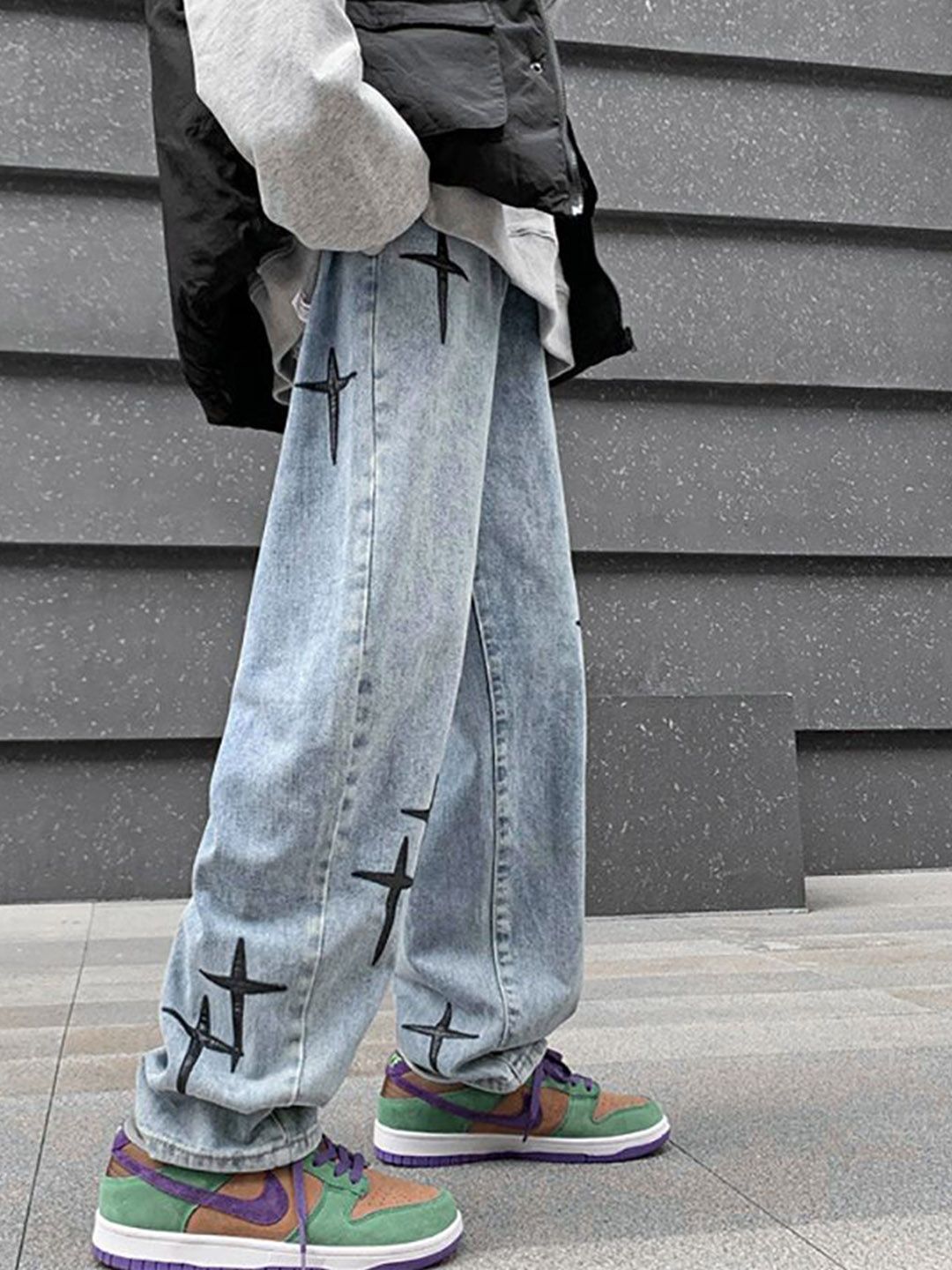
The absolute biggest sartorial movement in India right now is the seamless fusion of traditional Indian textiles with global street silhouettes. Gen Z has completely normalized breaking the boundaries of occasion wear. Consequently, you will frequently see young women pairing a printed short cotton kurti with high-waisted baggy jeans and chunky white sneakers for a casual day out.
Furthermore, homegrown brands are exploding by printing traditional Bandhani or Ajrakh patterns onto oversized hoodies and utility vests. Heavy silver jhumkas worn alongside relaxed graphic tees have become the official uniform of urban Indian creators.
☁️ The “Comfort-First” Movement & Premium Basics
Because Indian summers are routinely crossing 40°C in major interior regions and coastal areas remain incredibly humid, heavy synthetic garments have lost their charm among young buyers. Comfort has transitioned into a non-negotiable standard.
-
Cotton Co-ord Sets: Monochromatic or geometric-print cotton top-and-palazzo sets are dominating daily wear because they transition effortlessly from a morning college lecture to an evening cafe hangout.
-
Balloon Pants & Exaggerated Bottoms: The collective youth rejection of skinny jeans has fully solidified the reign of loose balloon pants, straight-leg denim, and relaxed cargos.
-
Quiet Luxury Minimalists: Alongside loud streetwear, a large segment of youth is embracing the “Clean Girl” or minimalist aesthetic. This translates to high-quality plain white linen tees, neutral-toned trousers, and sleek hairstyles.
♻️ Thrifting Culture and Sustainable Rewearability
Young Indians are highly conscious of their spending habits and environmental footprint. Unlike previous generations who bought outfits intended for a single wedding event, Gen Z builds a fluid, highly rewearable wardrobe.
As a result, Instagram thrift stores, vintage resale platforms, and upcycling fashion subcultures are witnessing unprecedented growth. Reworking a grandmother’s old silk saree into a trendy midi skirt or layering an upcycled denim jacket over ethnic wear has become a badge of honor for fashionable youth.

📱 Technology & Digital Habits: The Ecosystem of Quick-Comm and AI
For the modern Indian youth, technology isn’t a separate tool; it is an omnipresent environment that dictates how they structure their entire day.
🤖 AI-Native Workflows and Everyday Integration
Indian Gen Z is leading the global charge in embedding artificial intelligence seamlessly into their professional and personal routines. According to recent data from the Deloitte Global Gen Z and Millennial Survey, a staggering 93% of Gen Zs in India actively use AI in their day-to-day operations. Rather than fearing technological automation, they utilize AI apps to accelerate learning, optimize creative coding, organize daily schedules, and even brainstorm lifestyle changes or manage stress.
⚡ Quick-Commerce Obsession & The Instant Lifestyle
The explosive maturation of rapid delivery apps (like Blinkit, Zepto, and Instamart) has fundamentally transformed urban youth survival. Whether they need a specific shade of lipstick for an unplanned evening event, a laptop charger at midnight, or instant ingredients for a midnight snack recipe, delivery apps have shortened wait times to under ten minutes. Interestingly, this instant lifestyle has triggered an unintentional design shift: even the physical packaging of these delivery bags now includes offline puzzles and quirky, interactive text to keep young minds engaged during brief breaks.
📸 Designing Life for the “Aesthetic” Screen
Young consumers view the world through a highly curated lens. Ultimately, purchasing choices—ranging from the clothes they purchase to the cafes they frequent—are heavily influenced by how easily they can be captured for short-form video formats like Reels and Pinterest boards. The ultimate goal is to exude an intentional, effortless “Main Character Energy” across their personal feeds.
🧘 Wellness & Mental Health: Reclaiming the Analog Mode
Living in a hyper-connected environment can feel incredibly overwhelming. In response to relentless digital fatigue and the constant trap of doomscrolling, the youth lifestyle is executing a major course correction toward deep, intentional wellness.
| Lifestyle Trend | Earlier Digital-First Culture | Emerging 2026 Lifestyle Shift |
|---|---|---|
| 📱 Screen Habits | Endless scrolling and app dependency | Intentional screen time and digital detoxes |
| 🏃 Fitness | Image-focused gym culture | Sustainable fitness through walking and strength training |
| 🤝 Social Life | Dating apps and online interactions | Real-world communities, clubs, and social events |
| 🌿 Wellness | Imported supplements and wellness hacks | Ayurveda-inspired nutrition and local superfoods |
🚫 The “Analog Living” Movement & Digital Sunsets
The most fascinating lifestyle development is the widespread rise of analog hobbies. Driven by a desperate need to unplug, young adults are intentionally seeking tactile, offline experiences to rest their minds.
This has popularized the concept of a “Digital Sunset”—a habit where screens are completely turned off at least an hour before bedtime. Similarly, the youth are embracing “Analog Bags”, which are portable anti-boredom kits packed with physical books, magazines, mini knitting kits, journals, or sketchpads designed specifically to keep phones out of arm’s reach while traveling.
🍃 Ayurveda 2.0 & Realistic Well-Being
Instead of running after expensive, hard-to-maintain global diet fads, the modern wellness movement is highly localized and high-ROI (Return on Investment). Young Indians are leaning heavily into traditional wellness upgraded for modern speeds. They are drinking daily turmeric shots, consuming local superfoods like amla (gooseberry), and practicing meditation via accessible apps.
At the same time, mental health has completely shaken off its historic taboos. Seeking professional therapy, talking openly about burnout with peers, and setting strict mental health boundaries in personal relationships are now standard, widely supported social practices.
💼 Career & Ambition: Purpose, Stability, and the Power of Tier-2 India
The traditional Indian career script—characterized by climbing corporate ladders blindly or working grueling hours just for a fancy designation—has been firmly rejected by the youth.
⚖️ Conditional Ambition & Absolute Job Alignment
While an impressive 96% of Gen Z in India express an interest in reaching senior leadership or management positions, they are hyper-aware of the steep personal trade-offs involved. For this generation, a healthy work-life balance and long-term financial independence are far more critical than a flashy job title.
Furthermore, young professionals demand a deep sense of purpose from their employers. As a matter of fact, nearly half of Indian Gen Z professionals have openly rejected a project or even a potential employer because the company’s ethics did not match their personal beliefs and values. They want to build a stable, realistic foundation before making life-defining professional pivots.
The youth of India in 2026 aren’t just following trends—they’re creating them. 🚀
Rooted in culture yet driven by technology, they’re shaping a smarter, healthier, and more conscious future.
— GlamorEver
🏘️ Small-Town Entrepreneurship (The Rise of Yuva Shakti)
Perhaps the most empowering macro shift is happening beyond India’s traditional metropolitan areas. Armed with high-speed internet and supported by ecosystem platforms, a massive wave of innovation is emerging from Tier-2 and Tier-3 cities like Indore, Surat, Jaipur, and Kochi.
Instead of migrating en masse to overcrowded megacities like Mumbai or Delhi, young creators, artisans, and tech-founders are actively choosing to build businesses from their own hometowns. This localized entrepreneurship is boosting regional pride and rapidly decentralizing India’s economic power.
🎯 The Final Takeaway for Creators & Brands
Ultimately, the Indian youth of 2026 cannot be boxed into old-school stereotypes. They are globally aware yet deeply fiercely proud of their Indian roots. They use bleeding-edge AI to automate repetitive tasks, yet they gladly collect vinyl records and buy paper planners to keep their minds grounded. They love high-street aesthetics but prioritize breathable, local fabrics like cotton to survive the local climate comfortably.
For anyone looking to capture the attention of this vibrant demographic, the formula is clear: Be authentic, prioritize comfort and utility, align with real social values, and never compromise on convenience.
Frequently Asked Questions: Decoding Indian Youth Culture & Lifestyles 🌟🇮🇳
Q1: What exactly is "Desi Streetwear," and why is it trending so heavily among Indian youth?
A: At its core, Desi Streetwear is the ultimate creative mashup of global urban silhouettes with deep-rooted Indian heritage textiles. Instead of blindly copying Western fast-fashion aesthetics, Indian Gen Z is unapologetically reclaiming their roots. This trend looks like oversized graphic hoodies stamped with Ajrakh block prints, baggy cargo pants paired with short Bandhani kurtis, or styling basic everyday tees with heavy, oxidized silver jhumkas and clean white sneakers. It is a highly expressive, comfort-first movement that allows the youth to feel globally current while remaining fiercely proud of their cultural identity.
Q2: How is the concept of wellness changing for young Indians dealing with digital fatigue?
A: Wellness is moving away from expensive, aesthetic gym trends and shifting toward intentional, accessible analog living. To combat relentless screen burnout and doomscrolling, young adults are aggressively setting boundaries through “digital sunsets”—turning off all electronic devices an hour before bed. Similarly, the youth are embracing a “Do-It-Yourself” style of realistic well-being. This includes simple walking routines, open conversations about therapy to completely remove mental health stigmas, and a massive revival of Ayurveda 2.0, which introduces functional local superfoods like morning turmeric shots and amla juice into daily modern routines.
Q3: What are "Analog Bags," and why are they becoming a staple in youth lifestyle habits?
A: An “Analog Bag” is essentially an anti-boredom survival kit packed with completely offline, tactile items. Because digital fatigue is at an all-time high, young Indians carry these dedicated kits to prevent themselves from mindlessly pulling out their smartphones during daily commutes or cafe breaks. A typical analog bag is stocked with physical paperback books, paper journals, sketchpads, mini knitting kits, or even handheld puzzles. It has become a massive badge of honor among the youth, signaling that you are intentionally present in the real world rather than hooked on algorithm feeds.
Q4: How is artificial intelligence (AI) affecting the daily career habits of Indian Gen Z?
A: Unlike older generations who might view automation with hesitation, Indian youth are completely AI-native and treat it as a supportive, everyday collaborator. Rather than using it to cut corners, young professionals and students use AI applications to streamline repetitive tasks, optimize coding workflows, organize chaotic daily schedules, and brainstorm creative content ideas. This tech-driven efficiency allows them to protect their work-life balance, giving them more time to focus on personal passion projects, freelance side-hustles, and creative strategy.
Q5: Why are young Indian professionals choosing stability over flashy job designations?
A: The modern Indian youth has witnessed widespread corporate layoffs, intense hustle-culture toxicities, and widespread burnout. Consequently, they have firmly rejected the old script of sacrificing their mental peace just for a high-status corporate title. Today’s young workforce prioritizes conditional ambition—they are highly eager to reach leadership positions, but not at the cost of their personal time, mental health, or personal ethics. They demand transparent work cultures, realistic financial stability, and employers whose social and environmental values align cleanly with their own.

Passionate software developer and entrepreneur dedicated to building innovative digital solutions. As the founder of glamorever.com, I combine technology, creativity, and business strategy to create valuable online experiences and resources for a global audience.


