










Monsoon Hair Care Routine: Say Goodbye to Hair Fall, Frizz and Sticky Scalp

Monsoon Hair Care Routine: Say Goodbye to Hair Fall, Frizz & Sticky Scalp

The rain is beautiful — but what it does to your hair is not. Here’s the complete, no-nonsense monsoon hair care routine for every Indian hair type.

Every July, millions of Indian women open their shower drain after washing their hair and feel their heart sink a little. The hair fall during monsoon season is not just a beauty concern — for many of us, it is a genuinely distressing experience. 😔 Add to that the constant frizz that makes three hours of blow-drying feel pointless within twenty minutes of stepping outside, and the sticky, itchy scalp that seems to develop overnight the moment the humidity crosses 80% — and you have the complete monsoon hair nightmare.

But here’s what most people don’t know: monsoon hair fall and scalp issues are almost entirely preventable — not by buying expensive products (though a few good ones definitely help), but by understanding exactly what happens to your hair during the rainy season and adjusting your routine accordingly. Furthermore, the right monsoon hair care routine takes less time than your current one, costs less money, and delivers results that are genuinely visible within 2–3 weeks.

This is that routine. Let’s build it together. 🌿

Why Does Monsoon Season Damage Your Hair? — The Real Culprits

Before fixing the problem, you need to understand what’s actually causing it. Monsoon hair damage is not random — it’s a direct, predictable response to specific environmental and biological changes. Here are the six main culprits. 🕵️

Excess Humidity

High moisture in the air breaks hydrogen bonds in hair, causing the cuticle to swell and puff — creating frizz, loss of style, and increased tangle-prone texture.

Scalp Fungal Growth

Warm, humid conditions are the perfect breeding ground for Malassezia fungus — the organism behind dandruff, scalp itch, and folliculitis that worsens in monsoon.

Rainwater Exposure

Rainwater is not “pure” — it contains pollutants, acidic compounds, and particulate matter that strip hair of natural oils and irritate the scalp on contact.

Weakened Hair Roots

Seasonal changes trigger natural hair shedding cycles. Monsoon coincides with a period when more follicles enter the telogen (shedding) phase simultaneously.

Excess Sebum & Sweat

Humidity prevents sweat from evaporating normally, causing scalp sweat and sebum to accumulate faster — creating the sticky, oily scalp feeling within hours of washing.

Hard Water Changes

Rainwater entering municipal water supplies changes water mineral composition seasonally — creating harder water in some areas that deposits minerals on the scalp and hair shaft.

 Step 1 — Scalp-First Monsoon Care

Everything starts at the scalp. A healthy scalp in monsoon means less hair fall, less dandruff, less itch, and ultimately more hair growth. These are your most important steps.

1. 🧴 Switch to an Anti-Dandruff or Clarifying Shampoo — Your Monsoon Non-Negotiable

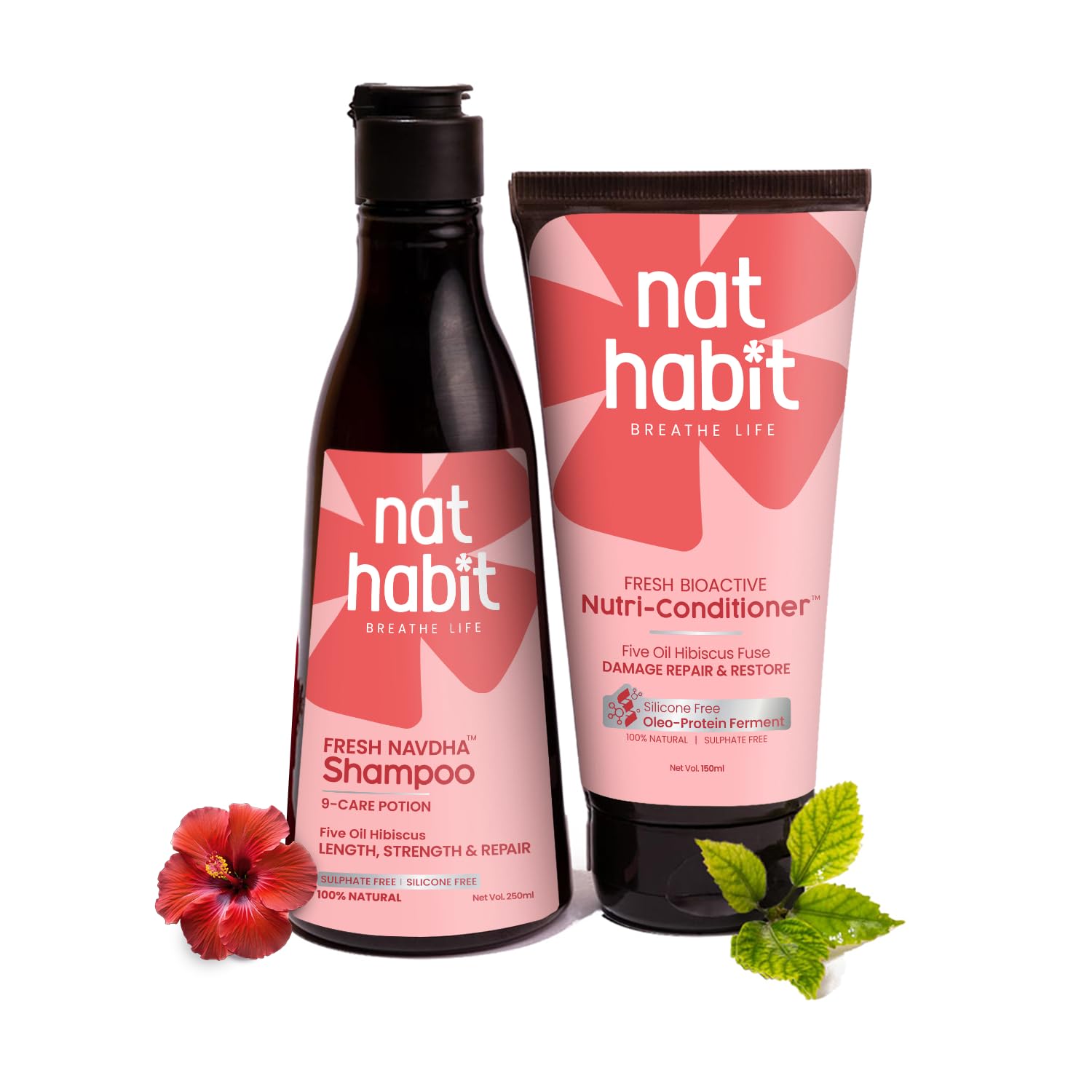
The single most impactful change you can make to your monsoon hair care routine is switching your shampoo. Your regular moisturising or nourishing shampoo — perfect for dry winter months — is actively contributing to your scalp problems during monsoon. It adds moisture and conditioning agents to a scalp that is already drowning in humidity, essentially amplifying the problem. Therefore, the moment the rains arrive, switch to either an anti-dandruff shampoo (containing ketoconazole, zinc pyrithione, or tea tree oil) or a clarifying shampoo that deep-cleans the scalp without build-up.

✨ Best Ingredients to Look For

Look for shampoos containing ketoconazole (pharmaceutical anti-fungal), zinc pyrithione (controls Malassezia), salicylic acid (exfoliates scalp flakes), or tea tree oil (natural antibacterial). Brands like Ketomac, Nizoral, Head & Shoulders Clinical, Selsun, and Himalaya Anti-Dandruff are widely available across India and deliver real results.

🦠 Ketoconazole / Zinc Pyrithione
🌿 Tea Tree Oil variants
🧽 Clarifying formula
💧 Lightweight — not moisturising

💧 Pro Tip: Don’t use medicated anti-dandruff shampoo on alternate washes — use it consistently during the entire monsoon season (June–September) for sustained scalp control. You can rotate with a gentle, sulfate-free shampoo for mid-week washes. 🌿

2.⏱️ Increase Wash Frequency — But Do It Right

During monsoon, your scalp accumulates sweat, sebum, and environmental pollutants significantly faster than in drier seasons. Consequently, the once-a-week or twice-a-week washing schedule that works perfectly in winter will leave your scalp sticky, smelly, and prone to fungal growth in July and August. Moreover, an unwashed, oily scalp in monsoon humidity is essentially an invitation for dandruff, folliculitis, and accelerated hair fall.

✨ The Ideal Monsoon Washing Schedule

For oily scalp — wash every 2 days. For normal scalp — wash 2–3 times a week. For dry scalp — do not go beyond 3 days without washing during peak monsoon. After getting your hair wet in rain — wash immediately (rainwater contains pollutants that shouldn’t sit on your scalp).

💧 Pro Tip: Always wash with cool or lukewarm water during monsoon — never hot. Hot water strips natural oils from the scalp, triggering a compensatory overproduction of sebum that makes your scalp oily again within hours. Cool water also seals the hair cuticle, reducing frizz. 🧊

3. 🌿 Weekly Scalp Exfoliation — Clear the Path for New Growth

Scalp exfoliation is the monsoon hair care step that most Indian women skip entirely — and it is one of the most impactful additions you can make to your routine. During monsoon, sebum, dead skin cells, pollution particles, and product residue accumulate on the scalp in layers. This buildup clogs hair follicles, creates an inflammatory environment at the root, and directly contributes to both increased hair fall and stunted new hair growth. Furthermore, a buildup-clogged follicle is a prime target for fungal growth.

✨ How to Do It

Once a week, before your regular shampoo wash, apply a scalp scrub or make a DIY mixture (2 tablespoons of sugar + 1 tablespoon of coconut oil + 5 drops of tea tree oil) and gently massage it into your scalp in circular motions for 3–5 minutes. Rinse thoroughly with cool water, then shampoo as normal. As a result, your scalp feels dramatically cleaner, follicles are unblocked, and shampoo works more effectively afterwards.

🧽 Unclogs hair follicles
🌿 DIY or product options
🔄 Once weekly only
🌱 Supports new hair growth

💧 Pro Tip: Never scratch or scrub aggressively — scalp exfoliation should feel like a comfortable massage, not a scraping. Micro-tears in the scalp from aggressive scrubbing create entry points for fungal infection during monsoon. Gentle, circular motions only. 🌿

🫙 Step 2 — The Right Oil Strategy for Monsoon

Oiling is central to Indian hair care — but the oils you choose and how you use them need to change significantly during monsoon for maximum benefit and minimum scalp damage.

4.🫙 Switch to Lighter Oils & Pre-Wash Application Only

The deep, overnight oiling routine that works beautifully in winter is genuinely counterproductive during monsoon. Heavy oils left on the scalp overnight in humid conditions attract more dust, create a breeding environment for bacteria, and can worsen scalp inflammation and dandruff. This does not mean you should stop oiling altogether — rather, you need to switch to lighter oils and change to pre-wash application.

✨ Best Monsoon Oils

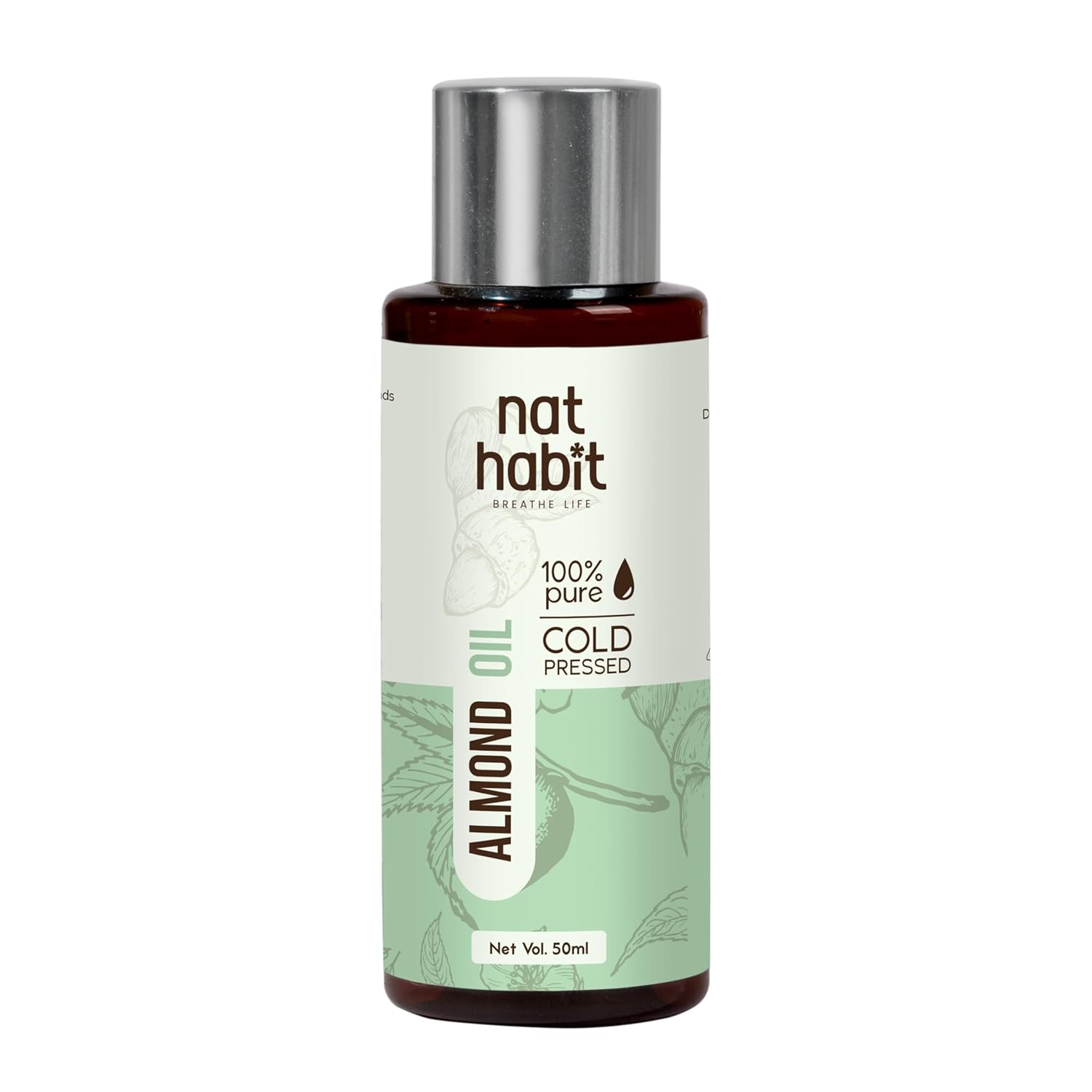
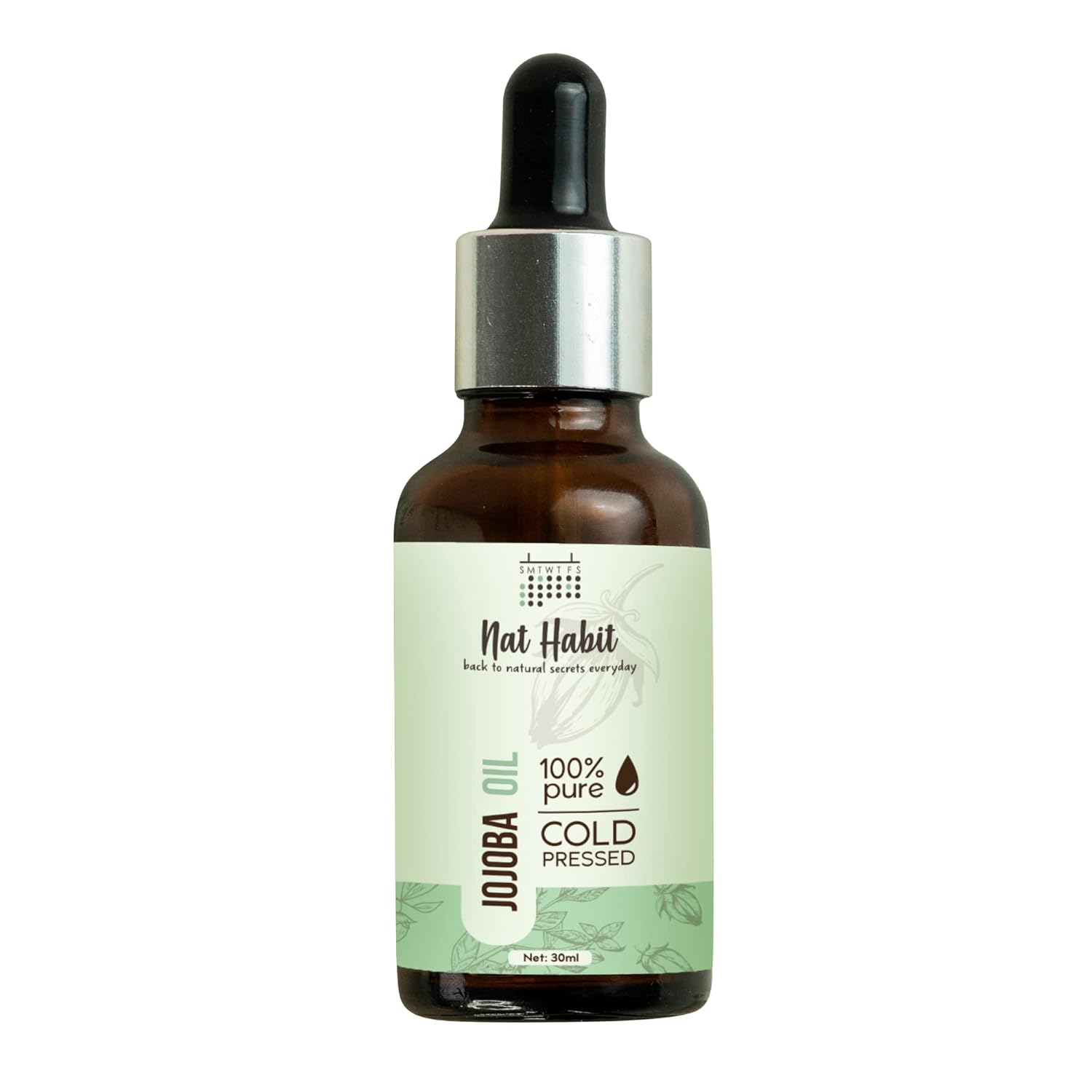
Switch from heavy coconut or sesame oil to tea tree oil diluted in a carrier (neem oil, jojoba, or argan oil). Neem oil specifically has powerful antifungal properties that make it the ideal monsoon scalp oil. Additionally, bhringraj oil — an Ayurvedic classic — actively supports hair root health and reduces the seasonal hair fall that monsoon typically triggers.

🌿 Neem oil — anti-fungal
🌱 Bhringraj for hair fall
✨ Argan for light conditioning
⏱️ Apply 1–2 hours before wash only

💧 Pro Tip: Apply oil 1–2 hours before washing — never overnight during monsoon. Warm the oil slightly, apply to the scalp (not the lengths), massage gently, and wash out completely with anti-dandruff shampoo. Short oiling is all your scalp needs in humid weather. 🫙

Step 3 — Monsoon Frizz Control Strategy

Frizz during monsoon is the hair’s natural response to excess humidity — understanding this helps you treat it at the source rather than fighting the symptoms.

5. Use a Lightweight Leave-In Conditioner & Seal the Cuticle

Frizz happens when the hair cuticle is open and absorbs water vapour from humid air unevenly. The most effective way to prevent this is to apply a product that seals the cuticle shut, creating a protective barrier between the hair shaft and the humid air outside. In winter, heavy conditioners and hair masks work well for this — but during monsoon, these same products can weigh hair down and create a limp, sticky texture in the humidity.

✨ The Monsoon Frizz-Fighting Protocol

After washing, apply a small amount of lightweight leave-in conditioner from mid-length to ends (never on the scalp). Follow with a tiny amount of argan oil or a frizz-serum to seal the cuticle. Allow hair to air-dry as much as possible — if you must use a dryer, use the cool setting, not heat, to seal the cuticle without damaging it. Moreover, microfibre towels rather than regular cotton towels significantly reduce frizz by minimising the friction that lifts the cuticle while drying.

💧 Lightweight leave-in only
✨ Argan oil seals cuticle
❄️ Cool-dry or air-dry
🧣 Microfibre towel essential

💧 Pro Tip: A rice water rinse after conditioning is an incredible anti-frizz treatment for Indian hair — the amino acids and inositol in fermented rice water literally smooth the hair cuticle and dramatically reduce frizz within 2–3 uses. 🌾

Popular Monsoon Hair Myth Scientific Reality
Myth: Oiling your hair every day cures monsoon dryness. Reality: Daily oiling can clog an oily scalp, trap dirt, and increase the risk of fungal infections.
Myth: Rainwater is pure and good for washing your hair. Reality: Rainwater may contain pollutants and acidic particles that can damage the hair cuticle and leave hair dull.
Myth: Washing your hair every day keeps the scalp healthier. Reality: Overwashing strips away natural sebum, which may trigger dryness or cause the scalp to produce excess oil.

 6. Master the Protective Hairstyle — Your Monsoon Best Friend

One of the most effective monsoon hair care strategies is also the simplest: keep your hair in protective hairstyles that minimise humidity exposure and reduce the mechanical stress of constant detangling and restyling. Loose, open hair during monsoon is exposed to maximum humidity — meaning it absorbs the most moisture from the air, becomes the most frizzy, and tangles the most aggressively.

✨ Best Monsoon Protective Styles

Loose braids, low buns, simple twists, and loose top-knots are ideal — they keep the hair contained without tight tension that stresses roots. Additionally, styles that keep the hair off the neck and upper back prevent the scalp sweating that contributes to sticky scalp. For the office, a French braid or a low bun is simultaneously professional and genuinely protective during the commute in the rain.

🪢 Loose braids — best option
🥐 Low bun — professional safe
🌀 Minimises frizz exposure
💪 Reduces root tension

💧 Pro Tip: Silk or satin scrunchies and hair ties make a remarkable difference — fabric ties create less friction and breakage at the point of contact, which is especially important when monsoon humidity already has hair more fragile. Never use rubber bands on monsoon hair. 🎀

“Monsoon doesn’t have to mean bad hair days. It just means your hair needs a smarter routine — not more products, but the right ones.” ☔💙

— GlamorEver

Step 4 — The Inside-Out Monsoon Hair Care Plan

What you eat during monsoon directly affects how much hair you lose. Monsoon diet adjustments are the most underrated component of any hair care routine.

7. Eat for Hair Strength — The Monsoon Nutrition Protocol

Monsoon is traditionally a season where digestive strength (Agni) weakens in Ayurvedic understanding — and consequently, the absorption of nutrients that support hair health (iron, biotin, zinc, vitamin D) reduces as well. This internal nutritional dip is one of the primary reasons why seasonal hair fall intensifies during monsoon. As a result, actively adjusting your diet to compensate is one of the most powerful — and most overlooked — anti-hair-fall strategies available.

✨ Best Hair-Strengthening Foods for Monsoon

Increase your intake of dal (protein and iron), methi seeds (fenugreek — soaked overnight and eaten or made into a paste), amla (Indian gooseberry) — the highest natural source of Vitamin C which builds collagen for hair growth, sesame seeds (calcium and zinc), and walnuts (omega-3 and biotin). Moreover, staying very well hydrated during monsoon is critical — the body often under-drinks in cool, rainy weather, leading to scalp dehydration that worsens hair fall.

🫘 Dal — protein & iron daily
🌿 Amla — Vitamin C powerhouse
🌾 Methi seeds — Ayurvedic classic
🥜 Walnuts — biotin & omega-3

💧 Pro Tip: Soak 2 tablespoons of methi (fenugreek) seeds overnight in water, drink the water in the morning and eat the seeds. This 5-minute Ayurvedic ritual is one of the most evidence-supported natural remedies for monsoon hair fall in Indian traditional medicine. 🌿

🌿 Step 5 — Ayurvedic Home Remedies That Actually Work

India’s traditional kitchen contains some of the most effective hair care ingredients in the world — and monsoon season is exactly when they make the biggest difference.

1. Neem Leaves + Amla Scalp Pack — The Anti-Dandruff Powerhouse

This is the most effective Ayurvedic monsoon scalp treatment for dandruff, itching, and scalp fungal infections. Neem’s powerful antibacterial and antifungal compounds combined with amla’s Vitamin C and astringent properties create a scalp environment that is genuinely hostile to the fungi that cause monsoon dandruff.

🧪 Recipe: Boil 15–20 fresh neem leaves in 2 cups water until water turns dark green. Cool completely. Add 2 tablespoons of amla powder (or fresh amla juice). Apply to scalp only, leave for 30 minutes, rinse with cool water followed by anti-dandruff shampoo. Use twice a week during monsoon. ✨

2. Rice Water Rinse — The Ancient Frizz & Shine Treatment

Fermented rice water has been used by women in Huangluo (China) and parts of South India for centuries to maintain famously long, lustrous hair. The inositol in rice water penetrates the hair shaft and smooths the cuticle from inside out — reducing frizz, improving elasticity, and adding a remarkable natural shine that humidity cannot undo.

🧪 Recipe: Rinse 1 cup of raw rice, soak in 2 cups of water for 30 minutes (for regular rice water) or 24–48 hours at room temperature (for fermented rice water — more potent). Strain. After shampooing, pour rice water over your hair, massage gently, leave 5–10 minutes, rinse with cool water. Use once or twice weekly. 🌾

3. Egg & Curd Hair Mask — Protein Boost Against Breakage

Monsoon hair is protein-deficient hair — the increased humidity, mechanical stress of tangling, and biological shedding cycle all deplete the keratin structure of the hair shaft. An egg and curd mask delivers a direct protein infusion to the hair shaft, temporarily filling in gaps in the cuticle, strengthening the hair against breakage, and reducing the snap and breakage that makes monsoon hair loss seem even worse than the natural shedding.

🧪 Recipe: Beat 1 whole egg with 3 tablespoons of full-fat curd (dahi) and 1 tablespoon of amla powder. Apply to hair from root to tip, cover with a shower cap. Leave for 30–45 minutes. Rinse with cool water (never hot — hot water cooks the egg) and shampoo gently. Use once a week during monsoon. 🥚

4. Green Tea Scalp Rinse — DHT Blocker from Your Kitchen

Green tea contains EGCG (epigallocatechin gallate), a compound with documented ability to inhibit DHT — the hormone responsible for hair follicle miniaturisation and hair thinning. Additionally, green tea’s anti-inflammatory and antioxidant properties soothe scalp irritation that is particularly common during monsoon. Furthermore, it has a mild astringent effect that helps control excess scalp oil without stripping.

🧪 Recipe: Brew 2 green tea bags in 2 cups of hot water. Cool completely. After your final rinse in the shower, pour the cooled green tea over your scalp and hair. Do not rinse out — let it absorb. Style as normal. The faint tea smell dissipates as hair dries. Use 2–3 times weekly. 🍵

Common Monsoon Hair Myths Busted!

Myth 1: Applying heavy hair oil daily cures monsoon frizz.

The Reality: On the contrary, applying heavy oils daily during highly humid months will only create a sticky trap on your scalp. It blocks your pores, attracts airborne pollutants, and feeds the Malassezia fungus. Limit oiling to once a week, and focus on using lightweight, scalp-clearing formulations.

Myth 2: Rainwater is pure and serves as a natural hair wash.

The Reality: Historically, rainwater was clean. Today, however, urban rainwater is heavily loaded with acidic pollutants, sulfur dioxide, and nitrogen oxides. If you get caught in a sudden downpour, always wash your hair immediately with fresh tap water and a gentle clarifying shampoo to neutralize the acidic residue on your scalp.

Myth 3: Washing your hair every day keeps the scalp oil-free.

The Reality: Over-washing is a major trigger for rebound oiliness. When you strip away your scalp’s natural oils daily, your sebaceous glands go into panic mode and begin producing twice the amount of sebum to compensate. Stick to washing your hair 2 to 3 times a week with a gentle, sulfate-free formula.

Frequently Asked Questions

Why does hair fall increase so much during monsoon season in India?

Monsoon hair fall has multiple simultaneous causes. Biologically, the seasonal shift into monsoon coincides with a natural hair growth cycle phase where more follicles simultaneously enter the telogen (resting/shedding) phase — a phenomenon called seasonal telogen effluvium. Environmentally, the combination of humidity, rain exposure, and fungal scalp conditions creates a weakened scalp environment where follicles are under more stress. Nutritionally, the Ayurvedic understanding that digestive strength weakens during monsoon means that fewer nutrients reach hair follicles. Finally, the mechanical stress of increased tangles, humidity-induced hair swelling, and aggressive towel-drying all contribute to increased breakage that amplifies the appearance of hair fall. The good news: all of these factors respond well to the routine outlined in this guide.

How often should I wash my hair during monsoon to prevent hair fall?

The ideal monsoon wash frequency depends on your scalp type. Oily scalp: wash every 2 days. Normal scalp: wash 2–3 times per week. Dry scalp: wash twice a week. All scalp types: wash immediately after getting hair wet in rain, regardless of your regular schedule — rain pollutants should never be left on the scalp. The common mistake is washing too infrequently during monsoon because “it feels like hair falls more after washing” — the hairs you see in the drain are hairs that were already in the shedding phase, not hair that fell because of washing. Not washing more often simply means those hairs accumulate and fall all at once later.

What is the best home remedy for sticky scalp during monsoon?

The most effective home remedies for sticky monsoon scalp are: Apple Cider Vinegar rinse (2 tablespoons in 1 cup water, pour over scalp after shampooing, leave 2–3 minutes, rinse with cool water — the acidity rebalances scalp pH and cuts through oil buildup). Green tea rinse (2 brewed, cooled tea bags poured over the scalp after washing — the astringent tannins control oil production and have mild antibacterial action). Neem leaves boiled water as a final rinse after washing. Additionally, applying a small amount of baking soda to the scalp between washes and rinsing after 5 minutes provides instant relief from stickiness and odour on heavily humid days.

Can I apply oil to hair during monsoon? Which oil is best?

Yes, you can and should apply hair oil during monsoon — but the type, amount, and application method must change. Avoid heavy overnight oiling of coconut or sesame oil during peak monsoon humidity. Instead, choose lighter, antimicrobial oils: neem oil (best for scalp — antifungal, antibacterial, specifically recommended for monsoon), bhringraj oil (reduces seasonal hair fall and strengthens roots), or diluted tea tree oil in a carrier. Apply these oils only 1–2 hours before washing — never overnight. Massage into the scalp only (not the lengths and ends which don’t need oil in monsoon humidity), then wash out completely.

What should I eat to reduce hair fall during monsoon?

Nutrition is one of the most impactful but most overlooked components of monsoon hair care. Key foods to include daily: Amla (Indian gooseberry) — highest natural source of Vitamin C, builds collagen for hair growth, available as fresh fruit, juice, or powder. Methi (fenugreek) seeds — soaked overnight and consumed, or applied as a paste; contain nicotinic acid and proteins that specifically support hair growth. Dal and eggs — protein is the building block of keratin (hair’s primary protein). Walnuts and flaxseeds — omega-3 fatty acids reduce scalp inflammation. Spinach and beetroot — iron deficiency is one of the most common causes of hair fall in Indian women, especially during monsoon. Also take Vitamin D and biotin supplements if you’re indoors more during rains (less sun exposure = lower Vitamin D = more hair fall).

☔ Beat the Monsoon Hair Struggle This Season!

Explore GlamorEver’s complete natural hair care guides — Ayurvedic remedies, product reviews, and expert routines curated for Indian hair types. 🌿💙

🌿 Final Thoughts — Your Hair Deserves a Season-Specific Strategy

Monsoon is the most beautiful season in India — the relief of the first rains, the smell of petrichor, the freshness after months of summer heat. But it doesn’t have to be your hair’s worst season. 🌧️ With a few intelligent, targeted adjustments to your routine — switching your shampoo, adjusting your oiling practice, adding weekly scalp exfoliation, and making small but powerful dietary changes — you can genuinely transform your monsoon hair experience.

The routine in this guide is not complicated. It doesn’t require expensive products or hours of effort. What it does require is consistency and the understanding that your hair needs a different strategy in different seasons — and that the routine that served you well in winter is simply not designed for the unique challenges of a humid Indian monsoon.

Furthermore, many of the most effective solutions in this guide — methi seeds, neem water, rice water rinse, egg masks — cost almost nothing and have been trusted by Indian women for generations. Your kitchen already has what your hair needs. Start this weekend. Your scalp will thank you within two weeks. 💛

Which monsoon hair tip are you trying first? Share in the comments! 💬☔

Simple Mehndi Design
Citrine and Tiger Eye Bracelet
Best Watch Brand For Girl in India
BestPerfumeMen
Top 10 Long-Lasting Perfumes for Men in the World
BestPerfumeMen
Monsoon Hair Care Routine: Say Goodbye to Hair Fall, Frizz and Sticky Scalp
11 Proven Wooden Comb Benefits for Hair Growth and Scalp Health
How to Choose Clothes That Match Your Skin Tone
Best Branded Office Bags for Ladies with Laptop Compartment in India

Leave a Reply

Your email address will not be published. Required fields are marked *

×