September 25, 2026
Navratri 2026: Dates, 9 Colours, Puja Vidhi,
Vrat & Festive Fashion Guide
Everything you need for nine perfect nights — from exact puja timings and vrat food list to day-wise colour outfits and beauty looks. Your all-in-one Navratri companion. 🌸✨
Navratri is not just a festival. It is nine days when the entire country collectively decides to dress better, eat more mindfully, pray more deeply, and dance longer than seems humanly possible.
Every year, as soon as Navratri dates are announced, millions of Indian women begin planning simultaneously on multiple fronts: the puja thali, the vrat menu, and — naturally — the nine outfits. In 2026, Navratri promises to be bigger and more beautifully observed than ever, with an increasing number of younger Indians reconnecting with the festival’s spiritual depth alongside its cultural exuberance.
This guide covers every dimension of Navratri 2026 that matters. Whether you’re searching for the exact dates and muhurat, want a clear step-by-step puja vidhi to follow at home, need to know what you can eat during your vrat, or are trying to plan nine colour-coordinated outfits that look genuinely stunning rather than just technically correct — you’ll find everything here. Moreover, we’ve included a complete beauty and jewellery guide so every aspect of your Navratri look comes together effortlessly. Let’s begin with the dates.
📌 Navratri 2026 — Quick Overview
- 🗓️Shardiya Navratri 2026 begins in October, following the Shukla Paksha Pratipada of Ashwin month in the Hindu calendar.
- 🙏Nine forms of Maa Durga are worshipped across the nine days — collectively known as the Navdurga.
- 💃Garba and dandiya celebrations, puja, vrat, and the nine-colour tradition are observed across India with regional variations.
- 🏆The festival ends with Dussehra (Vijayadasami) on the tenth day — celebrating the victory of good over evil.
- 🎨Nine specific colours are associated with each day — wearing them is both a spiritual practice and a community tradition spanning the entire country.
🗓️ Navratri 2026 Dates: Day-by-Day Calendar
Shardiya Navratri 2026 falls in October, following the traditional Hindu calendar alignment for the Ashwin month. Here is the complete nine-day date guide along with each day’s significance. As always, exact timings should be confirmed with a local panchangam or reliable Hindu calendar for your region, since muhurat can vary slightly by geography.
11 October 2026
Day 1
12 October 2026
Day 2
13 October 2026
Day 3
14 October 2026
Day 4
15 October 2026
Day 5
16 October 2026
Day 6
17 October 2026
Day 7
18 October 2026
Day 8 · Ashtami
19 October 2026
Day 9
💡 Important: The dates above are indicative based on the 2026 Hindu calendar cycle. Always confirm Ghatasthapana muhurat and exact puja timings for your city through a verified panchangam or Drik Panchang. Muhurat for Ghatasthapana on Day 1 is particularly significant and should not be missed.
Key Events Within the 9 Days 
Ghatasthapana (Day 1): The most important ritual of Navratri — the ceremonial installation of the sacred kalash, which marks the formal beginning of the festival. Must be performed within the prescribed muhurat.
Saraswati Puja (Day 7 or 8): Books, instruments, and tools of one’s trade are placed before Maa Saraswati for her blessing — particularly observed in South India and Bengal.
Ashtami Kanjak Puja (Day 8): Young girls are invited home as embodiments of the goddess — their feet are washed, bhog is offered, and they are gifted clothes and money. One of Navratri’s most emotionally meaningful traditions.
Navami Havan (Day 9): A sacred fire ceremony performed on the final day to conclude the nine-day worship — followed by prasad distribution to family and community.
Dussehra / Vijayadasami (Day 10): The tenth day celebrates the victory of good over evil — Ravana effigies are burnt across North India, and Maa Durga’s idol immersion (Bisarjan) takes place in Bengal.
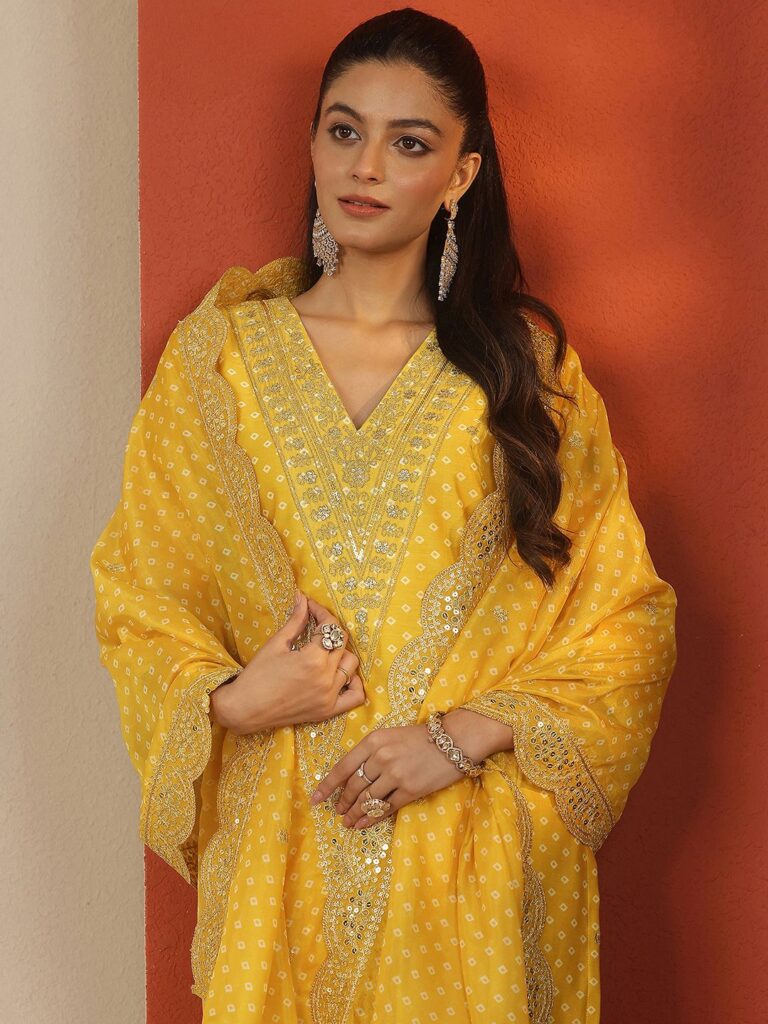
🎨 Navratri 2026 Colours: All 9 Days at a Glance
Each of the nine days of Navratri has a designated colour associated with the particular form of Maa Durga worshipped on that day. Wearing the correct colour is both a devotional act and a community tradition — when an entire gathering of women arrives in the same colour, the visual effect is one of the most beautiful sights the Indian festival calendar has to offer. Furthermore, it’s important to remember that shades can vary — a mustard counts as yellow, a forest green counts as green, and a deep plum works for purple. The tradition honours the spirit of the colour, not a precise match.
| Day | Colour | Navdurga Form | Significance | Best Outfit |
|---|---|---|---|---|
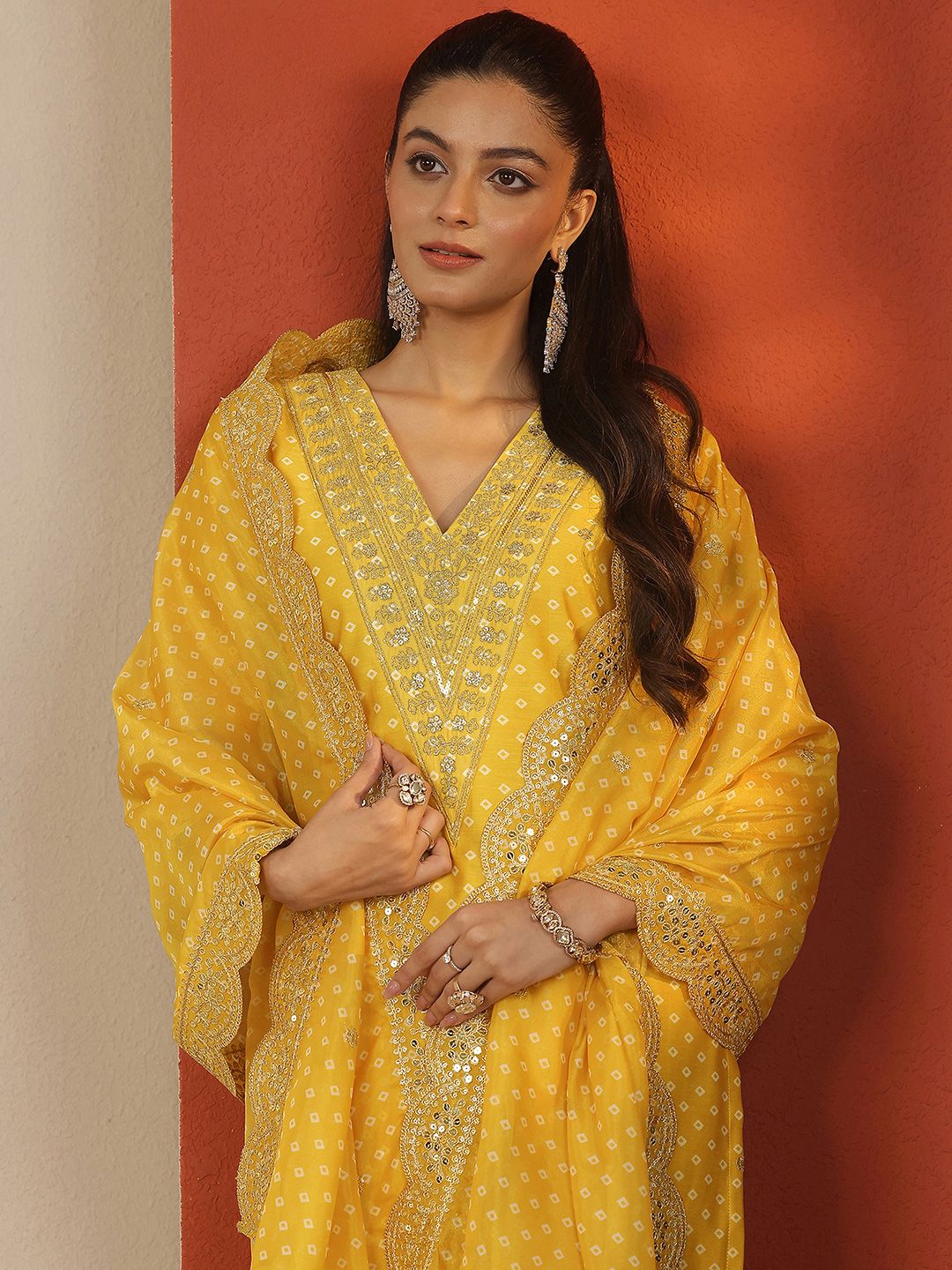
| Day 1 | Yellow | Shailputri | Happiness & new beginnings | Yellow chaniya choli / silk saree |
| Day 2 | Green | Brahmacharini | Growth & fertility | Emerald lehenga / Kanjeevaram |
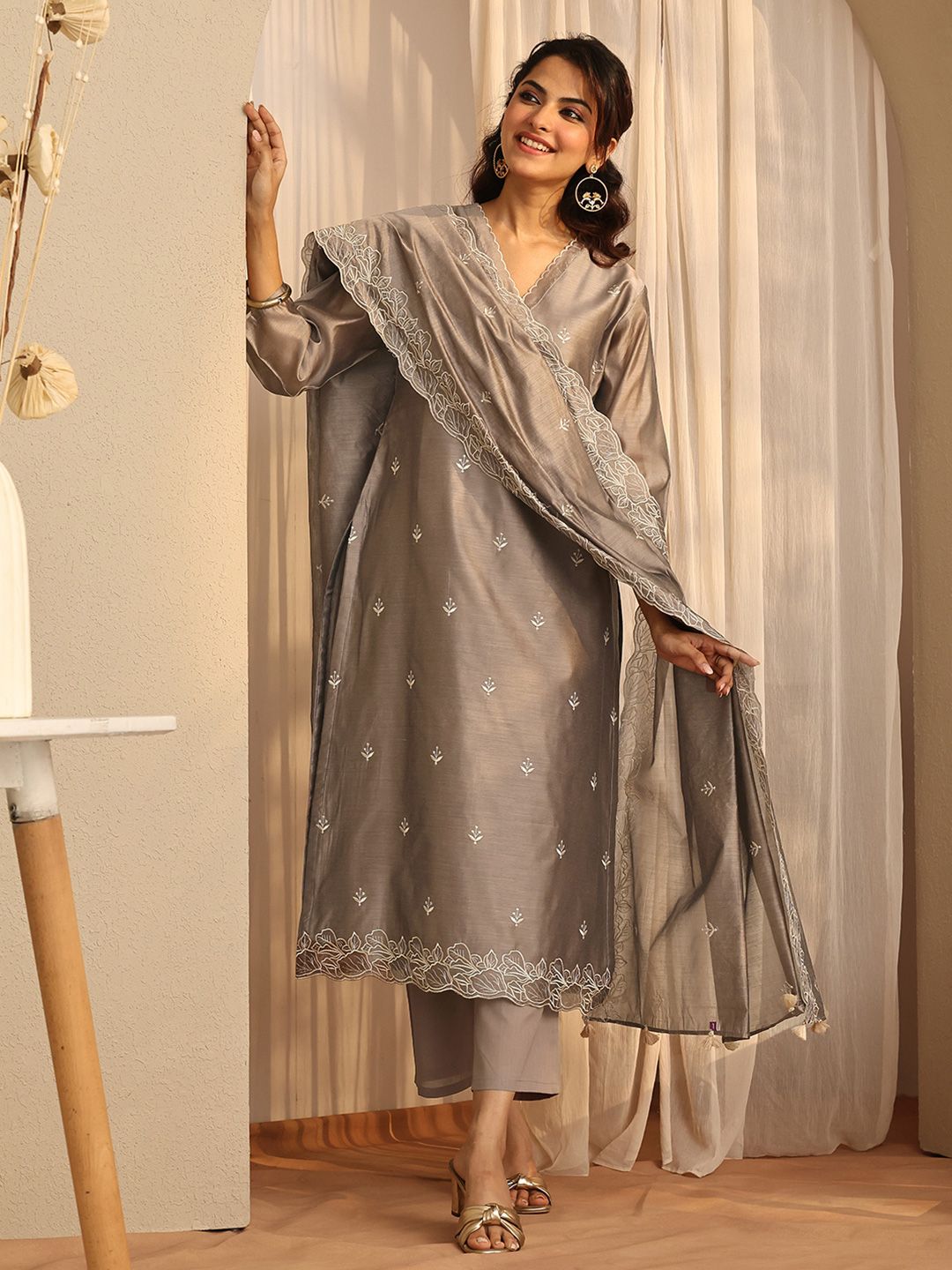
| Day 3 | Grey | Chandraghanta | Courage & grace | Silver-grey georgette saree |
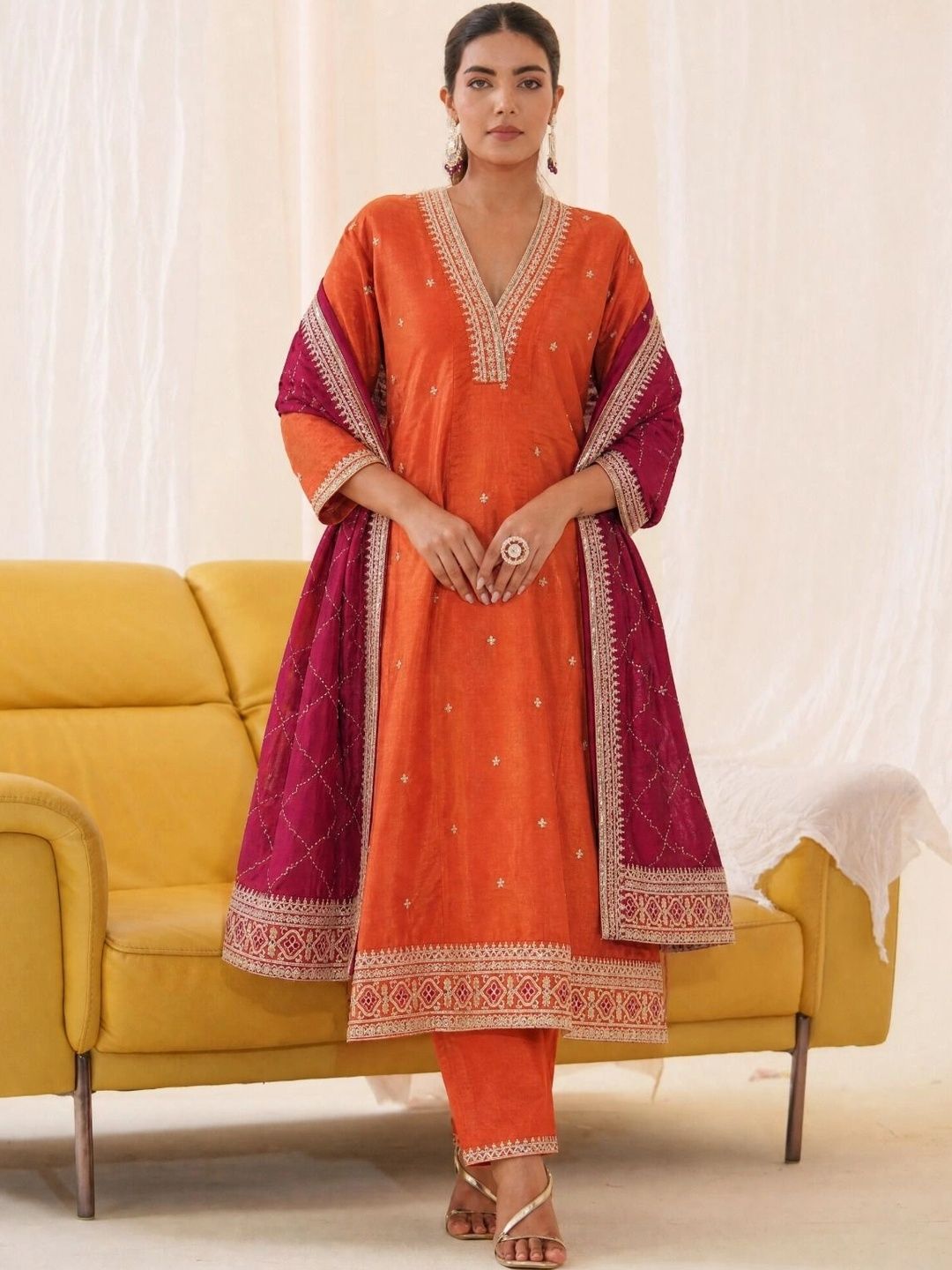
| Day 4 | Orange | Kushmanda | Energy & abundance | Marigold Banarasi / chaniya choli |
| Day 5 | White | Skandamata | Purity & peace | Ivory silk saree / cream lehenga |
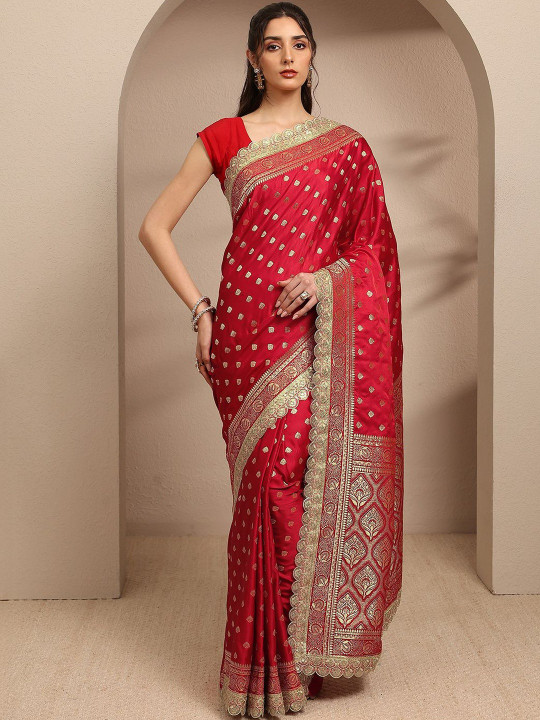
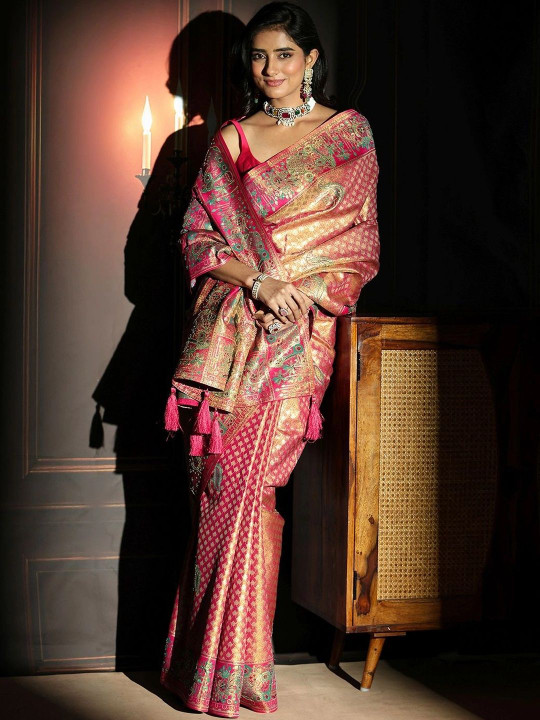
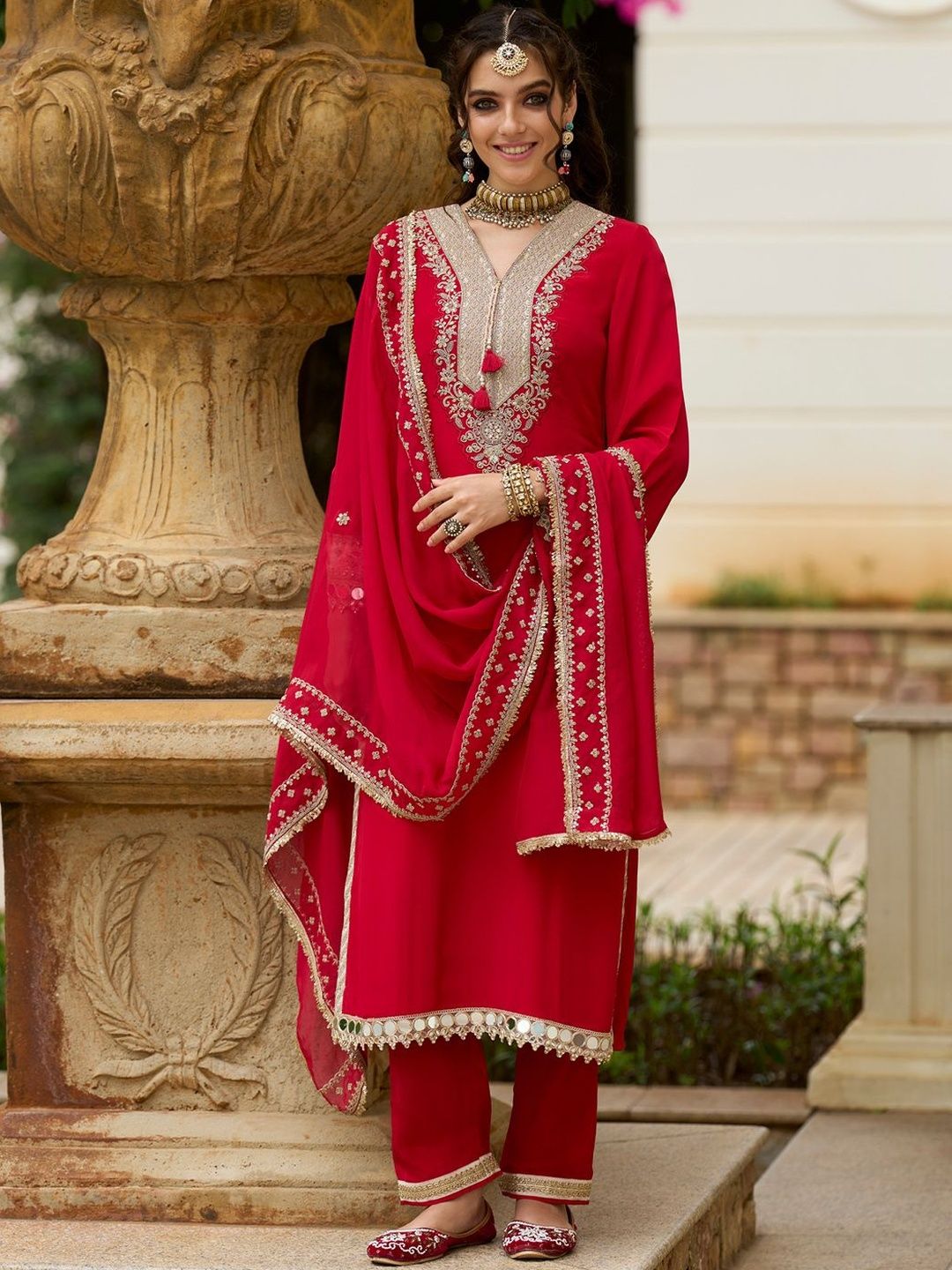
| Day 6 | Red | Katyayani | Power & passion | Red Banarasi / heavy lehenga |
| Day 7 | Royal Blue | Kalaratri | Fearlessness | Cobalt blue chaniya choli / net lehenga |
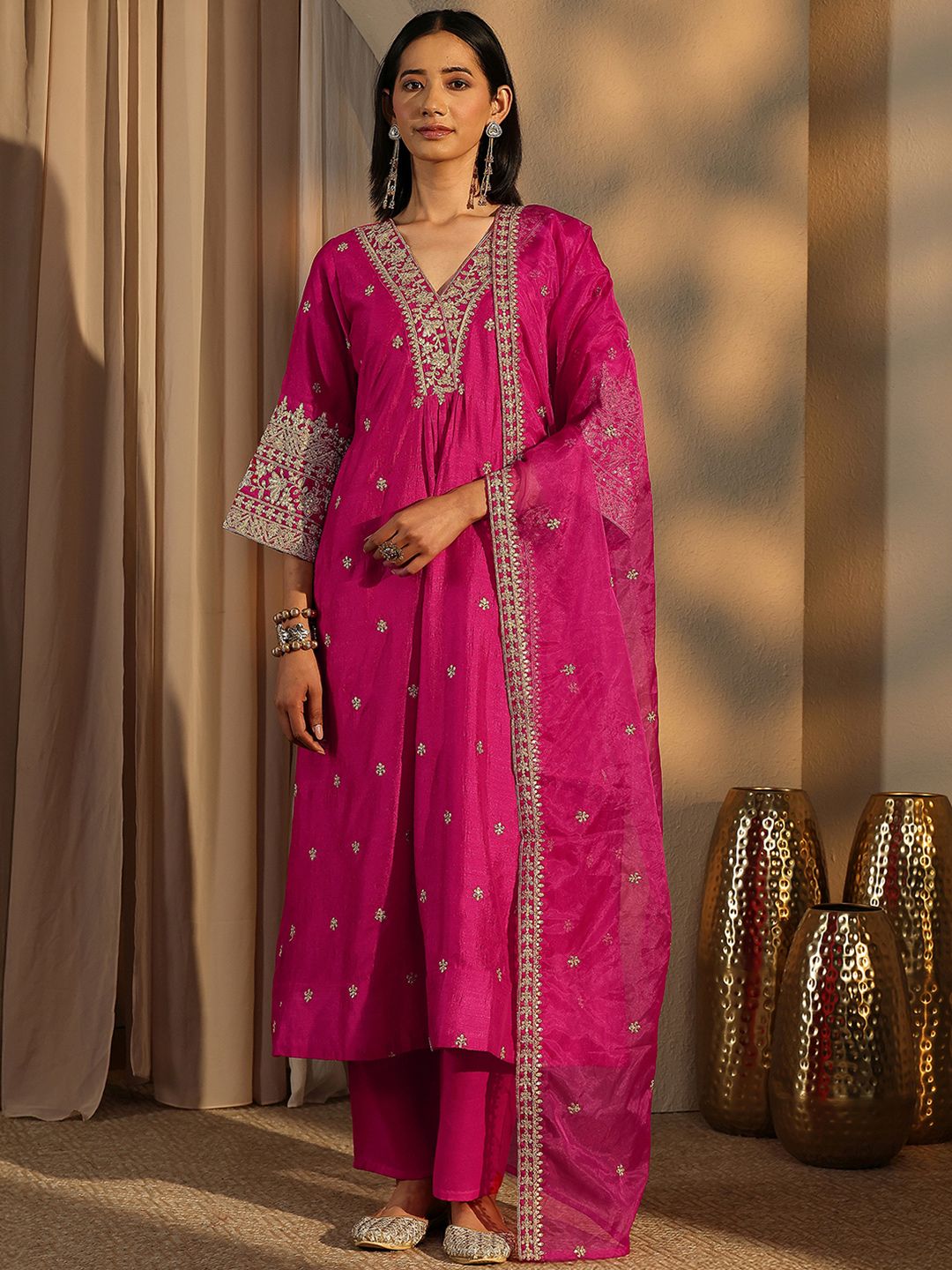
| Day 8 | Pink | Mahagauri | Compassion & beauty | Hot pink silk lehenga / Anarkali |
| Day 9 | Purple | Siddhidatri | Wisdom & divine grace | Deep purple silk saree / Anarkali |
🙏 Navratri Puja Vidhi: Step-by-Step Guide for Home Worship
Performing Navratri puja at home is a deeply meaningful and accessible practice — you don’t need an elaborate mandir or a pandit to perform the daily puja, though having one for Ghatasthapana is recommended. Here is a clear, step-by-step guide to the daily Navratri puja vidhi that you can follow at home across all nine days.
What You’ll Need: The Puja Samagri 🛒
Daily Puja Vidhi — Step by Step 
1. Snan and Shuddhi — Morning Purification 
Begin each puja day with a bath before sunrise or by 7 AM. Wear clean clothes in the day’s designated colour before approaching the puja space. The physical act of cleansing is the first step in creating mental and spiritual readiness for worship. Many families also clean and decorate the puja room with fresh flowers and a rangoli before the family wakes up — a beautiful early-morning practice that sets the tone for the entire day.
2.Ghatasthapana — Day 1 Only 
On the first day only, during the auspicious muhurat, install the kalash by filling it with Ganga jal or clean water, placing mango leaves around its neck, and placing a coconut wrapped in a red cloth on top. Sow barley seeds in the soil beside the kalash — these sprouts (called jwara) represent prosperity and are a beloved visual symbol of the festival. Once the kalash is installed, do not move it until Navami.
3. Invocation and Aarti — Morning Puja 
Light the ghee diyas and an agarbatti. Begin with a prayer to Lord Ganesha before proceeding to Maa Durga’s worship. Offer the day’s designated flowers, kumkum, roli, and fresh tulsi or durva grass to the devi’s image. Recite Durga Saptashati or the specific Navdurga shloka for that day’s form and perform the Maa Durga aarti with the bell throughout — the sound is said to ward off negative energies from the puja space.
4. Bhog Offering — Prasad Preparation 
Prepare a simple bhog (sacred offering) for the devi each morning — kheer, halwa, puri, fruits, and dry fruits are all appropriate offerings. The bhog is placed before the goddess for a period of time before being distributed as prasad to family members and neighbours. Eating the prasad is considered auspicious and an important part of the daily ritual across all nine days.
5. Navdurga Path and Chanting 
Recite the Navdurga stotra or the specific shloka associated with the day’s form of the goddess. If possible, read one chapter of the Durga Saptashati each day across the nine days. Even a simple chanting of “Om Dum Durgayai Namah” 108 times using a mala is considered very powerful during Navratri. Many families also play Durga Chalisa or aarti recordings continuously in the background throughout the day as a form of ongoing devotion.
6. Evening Aarti and Vigil 
Perform a second aarti in the evening — this is often the more elaborate of the two daily pujas, particularly on Ashtami and Navami. Light additional diyas, offer fresh flowers, and recite the complete Durga aarti with the family gathered together. On Ashtami evening, many families invite young girls (kanyas) home for the Kanjak puja — their feet are washed, they are offered bhog, and gifted clothes, money, and vermillion as blessings.
7. Navami Havan — The Sacred Conclusion 
On the final day (Navami), perform or attend a havan (sacred fire ceremony) to formally conclude the nine days of worship. Offerings of ghee, samagri, and sesame seeds are made into the sacred fire while Vedic mantras are chanted. After the havan, distribute prasad widely to family, neighbours, and anyone in need — generosity on this day is considered especially auspicious and a beautiful way to complete the nine-day journey of devotion.
🥛 Navratri 2026 Vrat Guide: What to Eat and Avoid
The Navratri vrat (fast) is observed by millions of Indian women across the nine days as a form of devotion, discipline, and physical purification. The rules of the vrat vary by family tradition and regional practice — some observe a complete nirjala fast (no water), while most follow a more practical phalahar (fruits and specific foods only) approach. Here is a clear, practical guide to what is allowed and what to avoid throughout the nine days.
✅ Vrat-Friendly Foods (Allowed)
- 🍎All fresh fruits — apples, bananas, pomegranate, grapes, papaya
- 🥛Milk, curd (dahi), buttermilk, paneer, cream, ghee
- 🥔Sabudana (tapioca), singhara atta (water chestnut flour)
- 🥜Kuttu atta (buckwheat flour) — for rotis and pooris
- 🌰Dry fruits — almonds, cashews, raisins, dates, walnuts
- 🫚Sendha namak (rock salt) — table salt is not permitted
- 🥭Makhana (fox nuts / lotus seeds) — roasted or as kheer
- 🍠Arbi (colocasia), sweet potato, raw banana — as sabzi
- 🍵Green tea, herbal tea (without regular sugar)
- 🍯Natural sweeteners — honey, mishri (rock sugar)
❌ Avoid During Navratri Vrat
- 🌾All regular grains — wheat, rice, maida, corn flour, oats
- 🧂Regular table salt (iodised) — use sendha namak only
- 🧅Onion and garlic — strictly avoided throughout all 9 days
- 🥩Non-vegetarian food of any kind — meat, fish, eggs
- 🫘All lentils and regular pulses (dal)
- 🍺Alcohol and tobacco in any form
- 🫙Processed and packaged foods with non-vrat ingredients
- 🍳Mustard oil — use ghee or groundnut oil for cooking only
3 Easy Vrat Recipes to Make at Home 🍳
🫙
Sabudana Khichdi
Soaked sabudana cooked with ghee, cumin, sendha namak, groundnuts, and green chilli. The most beloved Navratri breakfast across North India — filling, energising, and genuinely delicious.
🥞
Kuttu Ka Paratha
Buckwheat flour flatbreads cooked with ghee, stuffed with spiced potato and served with curd. A complete meal that keeps you full for hours through a long fasting day.
🍮
Makhana Kheer
Full-fat milk simmered with fox nuts, sweetened with mishri, and flavoured with cardamom and saffron. A divine, nourishing dessert that doubles as prasad for the puja.
Navratri 2026 Fashion Guide: What to Wear Every Night
Now — the part that millions of Indian women have been waiting for since the calendar was announced. Navratri fashion in 2026 is simultaneously more traditional and more experimental than ever before, with women confidently mixing heritage textiles with contemporary silhouettes and styling choices. Here is how to dress beautifully for every type of Navratri evening.
For Garba and Dandiya Nights
Movement is everything on garba nights — you’ll be dancing in circles, sometimes for three or four hours, in an October evening that can still be warm. Your outfit needs to move with your body, not against it. Lightweight chaniya cholis in cotton or georgette are the traditional and most practical choice — the full circle skirt creates beautiful movement as you twirl. Additionally, avoid trailing pallus, excessive embellishment that can snag, and heels that will cause pain after the second garba round. Comfort and colour are your two non-negotiables here.
🙏 For Puja and Aarti Evenings
Puja evenings call for something more traditional and reverential — this is where your sarees, formal Anarkalis, and heavier silk lehengas belong. The atmosphere is calmer and more devotional, which means a Banarasi or Kanjeevaram saree in the day’s colour is completely appropriate and genuinely beautiful. The key is choosing something that allows you to sit comfortably on the floor for the puja duration, stand with ease for the aarti, and bend to touch the devi’s feet without any wardrobe concern whatsoever.
✨ For Ashtami and Navami (The Big Nights)
These two final nights are the most significant of the festival — the celebrations are at their most intense, the garba is at its most energetic, and the puja is at its most elaborate. Consequently, this is the time to bring out your most beautiful outfit — your statement lehenga, your heirloom saree, or your most elaborate chaniya choli. For the Kanjak puja on Ashtami morning, dress in your best festive look to receive the young girls who come as embodiments of the goddess — you want to look genuinely celebratory for this cherished tradition.
🌤️ For Morning and Weekday Puja
Not everyone can dress fully for garba on a working weeknight — and that’s perfectly fine. A neat kurta set or salwar suit in the day’s colour is completely appropriate for the morning puja before leaving for work. Even a simple dupatta in the day’s shade over your regular outfit is a respectful and meaningful way to participate when time doesn’t allow for a full festival look. The intention behind the colour is what matters most, not the elaborateness of the outfit.
2026 Navratri Fashion Trends 🌟
💄 Navratri 2026 Beauty and Jewellery Guide
A complete Navratri look is never just the outfit — the jewellery, makeup, and hair together complete the transformation from everyday to genuinely festive. Here is a practical guide to getting those finishing touches absolutely right every night of the festival.
💍
Jewellery by Night Type
Heavy kundan or polki sets for puja nights. Lighter temple gold jhumkas and bangles for garba. Save the maang tikka and statement necklace for Ashtami and Navami.
🌸
Gajra in the Hair
Jasmine or rose gajra in a bun or braid is the most traditionally beautiful hair accessory for Navratri — fragrant, affordable, and culturally perfect for every single day.
💄
Makeup for Garba Nights
Waterproof kajal, setting spray, and a long-wear lip colour are essential. You’ll be warm and active for hours — sweat-proof makeup saves the look right until midnight.
🔴
Bindi
A classic round red bindi is universally appropriate for all nine days. Match the size to the formality of the evening — larger for puja, smaller and more delicate for garba nights.
🖐️
Bangles
Glass bangles in the day’s colour plus gold are a simple way to honour the colour tradition even if your outfit is minimal. The jingle adds immeasurably to the festive feeling.
🧴
Skincare During Vrat
Fasting can affect skin hydration. Increase water intake, use a richer moisturiser in the evenings, and apply sunscreen for daytime puja attendance outdoors in October sun.
🛍️ Navratri shopping sorted on GlamorEver!
We’ve handpicked the best chaniya cholis, lehengas, sarees, and jewellery in all 9 Navratri colours — verified for fast delivery before the festival, across every budget from ₹800 to ₹25,000. Check our Navratri 2026 Shop Edit now!
❓ Frequently Asked Questions (FAQs)
Shardiya Navratri 2026 begins in October, with Ghatasthapana on the first day and Navami on the ninth. The exact dates follow the Shukla Paksha Pratipada of Ashwin month — always confirm with a panchangam for precise muhurats in your city.
In order: Day 1 Yellow, Day 2 Green, Day 3 Grey, Day 4 Orange, Day 5 White/Cream, Day 6 Red, Day 7 Royal Blue, Day 8 Pink (Ashtami), Day 9 Purple (Navami). Each colour is associated with the specific form of Maa Durga worshipped that day.
Ghatasthapana is the ceremonial installation of the sacred kalash that marks the formal beginning of Navratri worship. It must be performed on Day 1 within a specific auspicious muhurat — typically a window of one to two hours in the morning. Check your panchangam well in advance and prepare all materials the evening before so nothing is rushed.
Regular white rice is generally not permitted during a traditional Navratri vrat. However, some regional traditions do allow rice — particularly in South India and parts of Bengal. Check your family’s specific tradition. Sabudana, kuttu atta, and singhara flour are the most widely accepted substitutes during the fast.
Kanjak puja is performed on Ashtami or Navami — young girls between 2 and 10 are invited home as living embodiments of the nine forms of Durga. Their feet are washed, they are offered bhog of halwa, puri, and chana, and gifted clothes, money, and red chunni. One of the most emotionally meaningful traditions of the nine days.
No — many women observe the vrat only on Pratipada (Day 1), Ashtami (Day 8), and Navami (Day 9). Others fast only on the first and last days. The duration and intensity of the vrat is a personal and family decision — what matters most is the sincerity of the intention behind the practice, not the number of days observed.
For garba and dandiya — lightweight chaniya cholis or cotton lehengas in the day’s colour allow the movement you need for hours of dancing. For puja and aarti — silk sarees, formal Anarkalis, or heavier lehengas are appropriate, as the atmosphere is devotional rather than energetic. Always match the occasion’s energy to your outfit’s practicality for the best experience.
🪔 🌸 🙏
Navratri is, at its heart, a nine-day celebration of the divine feminine — her strength, her grace, her power, and her infinite compassion. The colours you wear, the puja you perform, the vrat you observe, and the garba you dance are all different expressions of the same devotion. There is no single “right way” to celebrate — every family’s tradition, every regional variation, and every personal expression of faith is equally valid and beautiful.
We hope this complete guide helps you experience your most beautiful, most meaningful, and most joyful Navratri 2026. From the perfect Ghatasthapana muhurat to the last twirl of garba on Navami night — may Maa Durga bless you and your family with her grace, protection, and abundant love. 🙏
Jai Mata Di — from all of us at GlamorEver. 🪔💛🌸
Passionate software developer and entrepreneur dedicated to building innovative digital solutions. As the founder of glamorever.com, I combine technology, creativity, and business strategy to create valuable online experiences and resources for a global audience.


[…] colour — and that means nine different chances to express who you are through what you wear. The Navratri colour tradition is rooted in devotion: each colour is associated with one of the nine forms of Maa […]