June 25, 2026
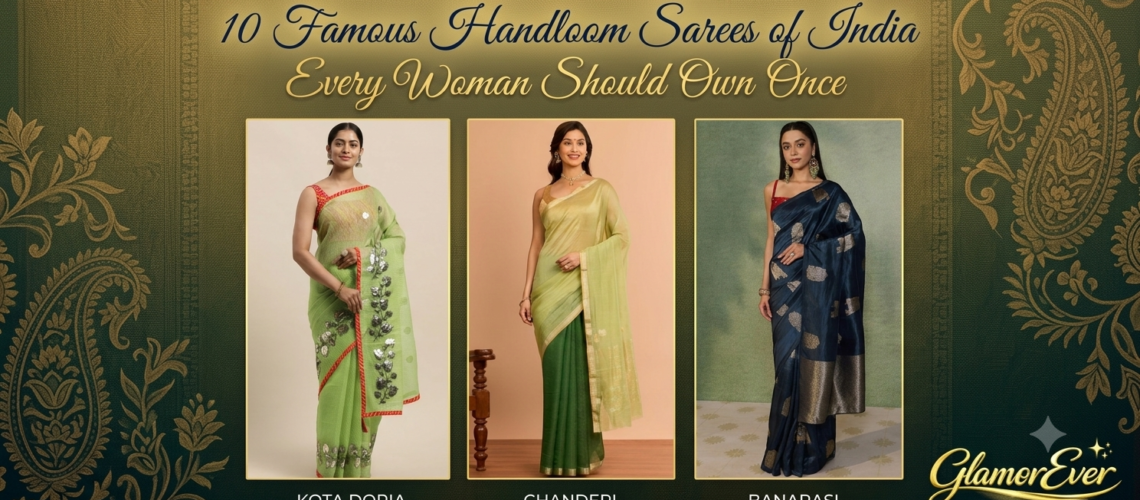
10 Famous Handloom Sarees of India Every Woman Should Own Once
From Bengal to Banaras, from Odisha to Kanjivaram — these are the weaves that carry centuries of artistry, culture, and sheer feminine grace.
If there’s one garment that has survived empires, revolutions, and fast fashion — it’s the Indian saree. 🌺 And not just any saree — the handloom saree. Woven thread by thread on traditional looms, often in the same villages and the same families for hundreds of years, these sarees are not just clothing. They are living heritage.
Indeed, every Indian woman has grown up watching her mother or grandmother drape a six-yard wonder with quiet confidence. Moreover, in today’s world where machine-made replicas flood every marketplace, owning a genuine handloom saree feels like holding a piece of India’s soul in your hands. 🙏
So whether you’re a seasoned saree lover or someone just beginning their handloom journey, this guide is your beautiful starting point. Let’s travel across India, state by state, and discover the 10 most iconic handloom sarees that deserve a permanent place in your wardrobe.
1. Banarasi Silk Saree — The Queen of Indian Weaves
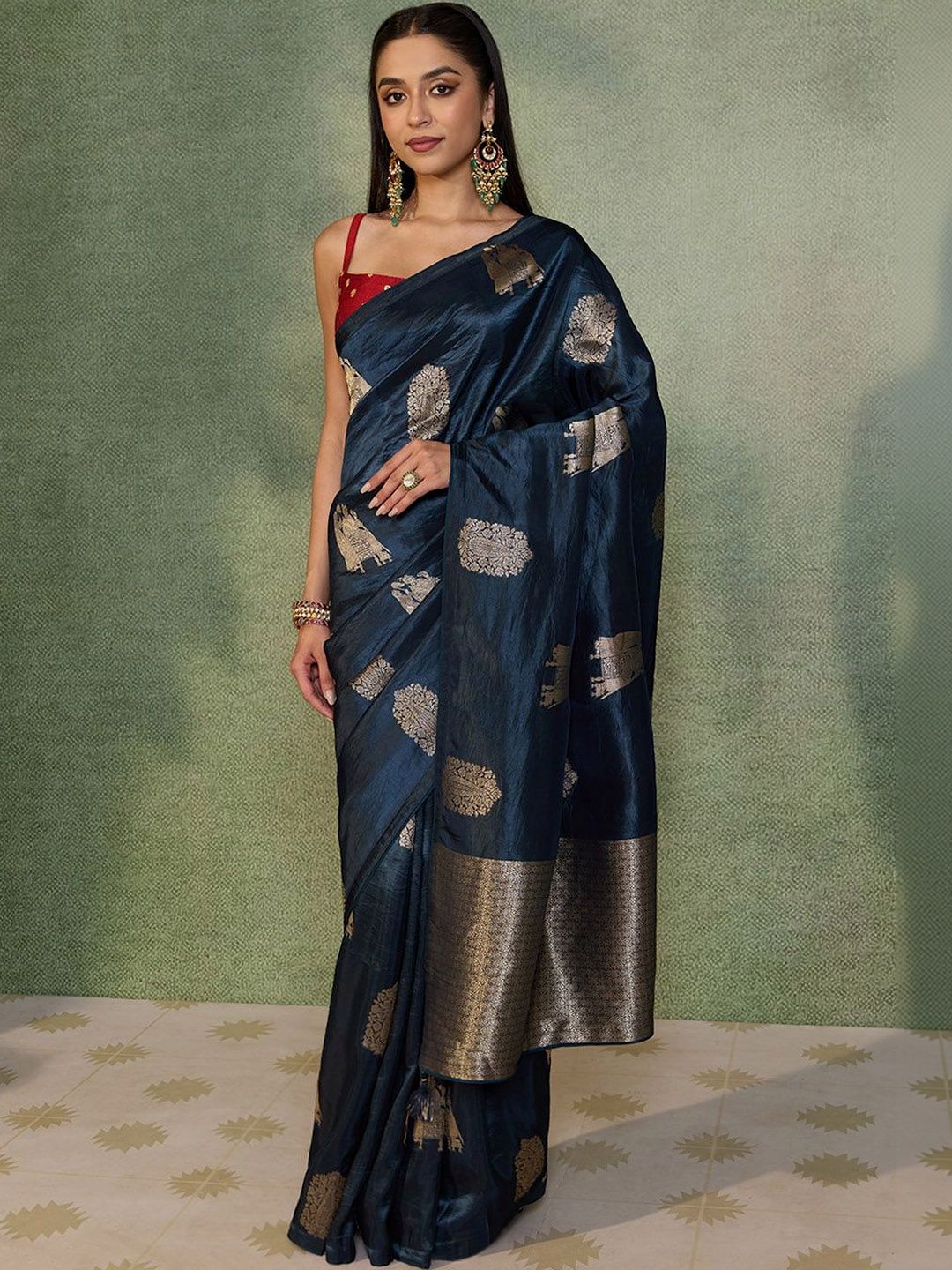
When people say “bridal saree,” the first image that comes to every Indian woman’s mind is a rich, glowing Banarasi. And honestly, for very good reason. Woven in the holy city of Varanasi (also called Banaras), these sarees are made from fine silk and adorned with intricate gold and silver zari work — a tradition that dates back to the Mughal era.
🔍 What Makes It Special?
The hallmark of a Banarasi saree is its brocade weaving technique, where gold and silver threads are woven directly into the fabric to create floral motifs, kalga patterns, and jali (lattice) designs. Consequently, the result is a fabric that feels heavy, royal, and almost otherworldly under festive lighting. The more zari work, the more precious the saree.
🥇 GI Tagged | 💍 Bridal Staple |🌟 Zari Brocade | 🕌 Mughal Influence
✨ Types to Know
There are four main varieties — Katan (pure silk), Organza (Kora), Shattir, and Georgette Banarasi. For weddings, Katan Banarasi is the gold standard. For festive occasions and daily elegance, Georgette Banarasi is lighter and far easier to drape.
🎀 Styling Tip: Pair a deep red or magenta Banarasi with a contrasting blouse in emerald green and heavy polki jewellery. Let the saree do the talking — keep accessories minimal and bold.
2. Kanjeevaram Silk Saree — South India’s Eternal Pride
Ask any South Indian woman about her most prized possession, and nine times out of ten, she will mention her Kanjeevaram saree. Also lovingly called “Kanjivaram” or simply “Pattu saree,” this is arguably the most celebrated handloom silk in all of India — and rightfully so.
🔍 The Art Behind the Silk
What sets Kanjeevaram apart is that it uses three separate shuttles to weave the body, border, and pallu independently — and then interlocks them together. As a result, the border doesn’t fray or separate even after decades of wear. The silk threads used are mulberry silk of the highest grade, and the zari is traditionally made from pure silver coated with gold.
🌈 Signature Colours
Deep jewel tones — peacock blue, ruby red, forest green, turmeric yellow, royal purple — are the soul of Kanjeevaram weaving. Furthermore, the bold contrast between the body colour and the border colour is what gives this saree its unmistakable identity.
🎀 Styling Tip: A Kanjeevaram in peacock blue with a gold border looks breathtaking at temple weddings and navarathri celebrations. Style with temple jewellery — long gold chains and matching earrings — for a head-to-toe traditional look.
3. Chanderi Saree — Featherlight Elegance from Madhya Pradesh
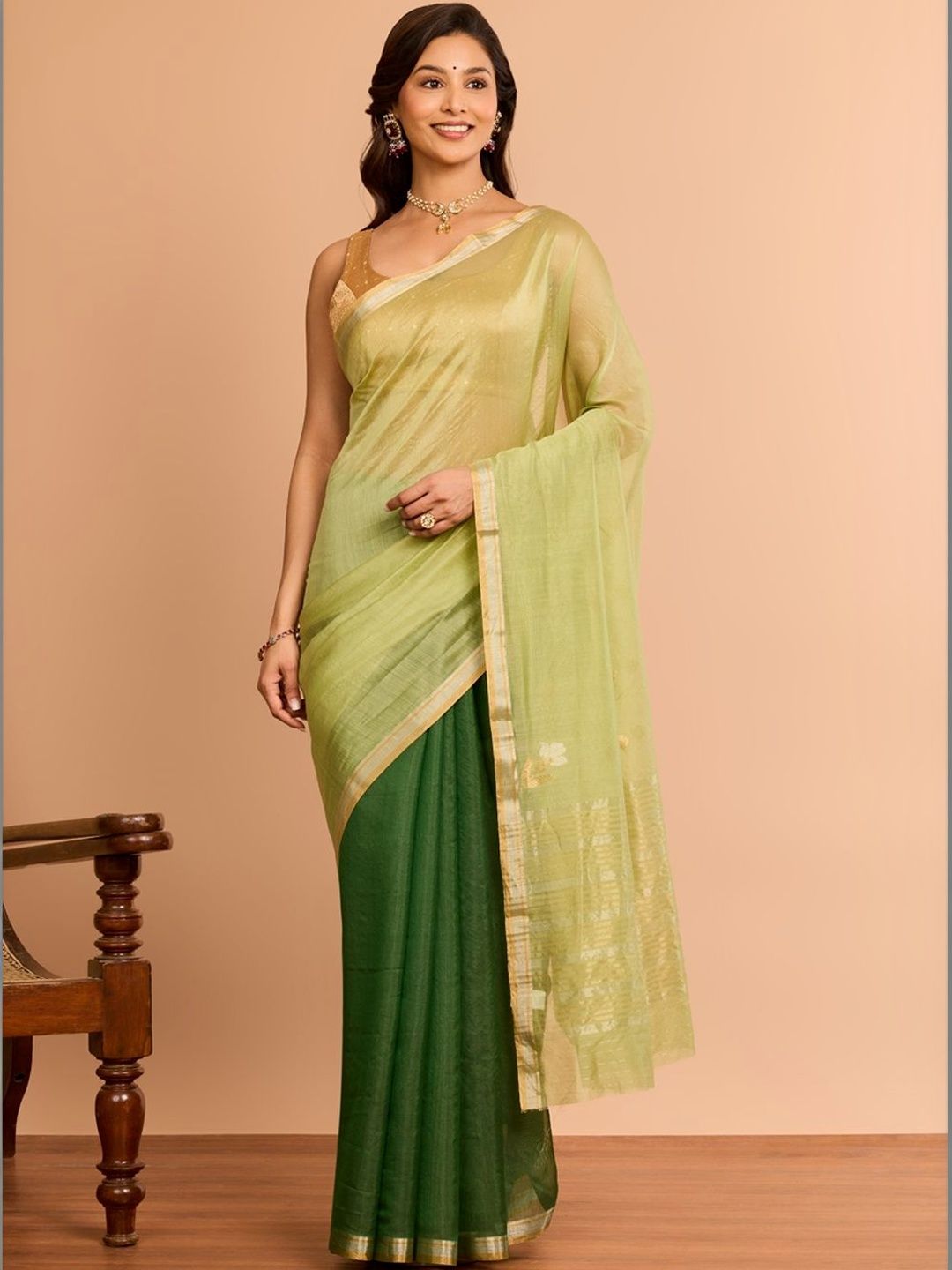
If Banarasi is the queen and Kanjeevaram is the empress, then Chanderi is the gentle, graceful princess. Light as a whisper and sheer as gossamer, the Chanderi saree from the small town of Chanderi in Madhya Pradesh is one of the most delicate handloom traditions in India.
🔍 Woven from Three Yarns
Chanderi sarees are uniquely woven using a combination of silk, cotton, and zari — giving them that characteristic sheer, lightweight texture that almost floats when you walk. Additionally, the buti motifs (small dots or floral patterns) woven across the body of the saree are a signature of authentic Chanderi craftsmanship.
✨ Perfect For
Chanderi sarees are the perfect choice for summer festivals, small pujas, office functions, and daytime gatherings. Because of their lightness, they drape beautifully without the effort of heavier silks.
🎀 Styling Tip: A soft peach or pastel mint Chanderi with a contrast raw silk blouse and pearl earrings is the perfect look for a morning function or a festive brunch.
4. Pochampally Ikat Saree — India’s Geometric Marvel
📍 Pochampally, Telangana
There are sarees made with beautiful motifs — and then there are sarees where the pattern itself is a form of optical magic. The Pochampally Ikat saree from Telangana is exactly that. It is a saree that makes you look twice, then three times, marvelling at how those geometric patterns were even possible.
🔍 The Secret: Resist-Dyeing Before Weaving
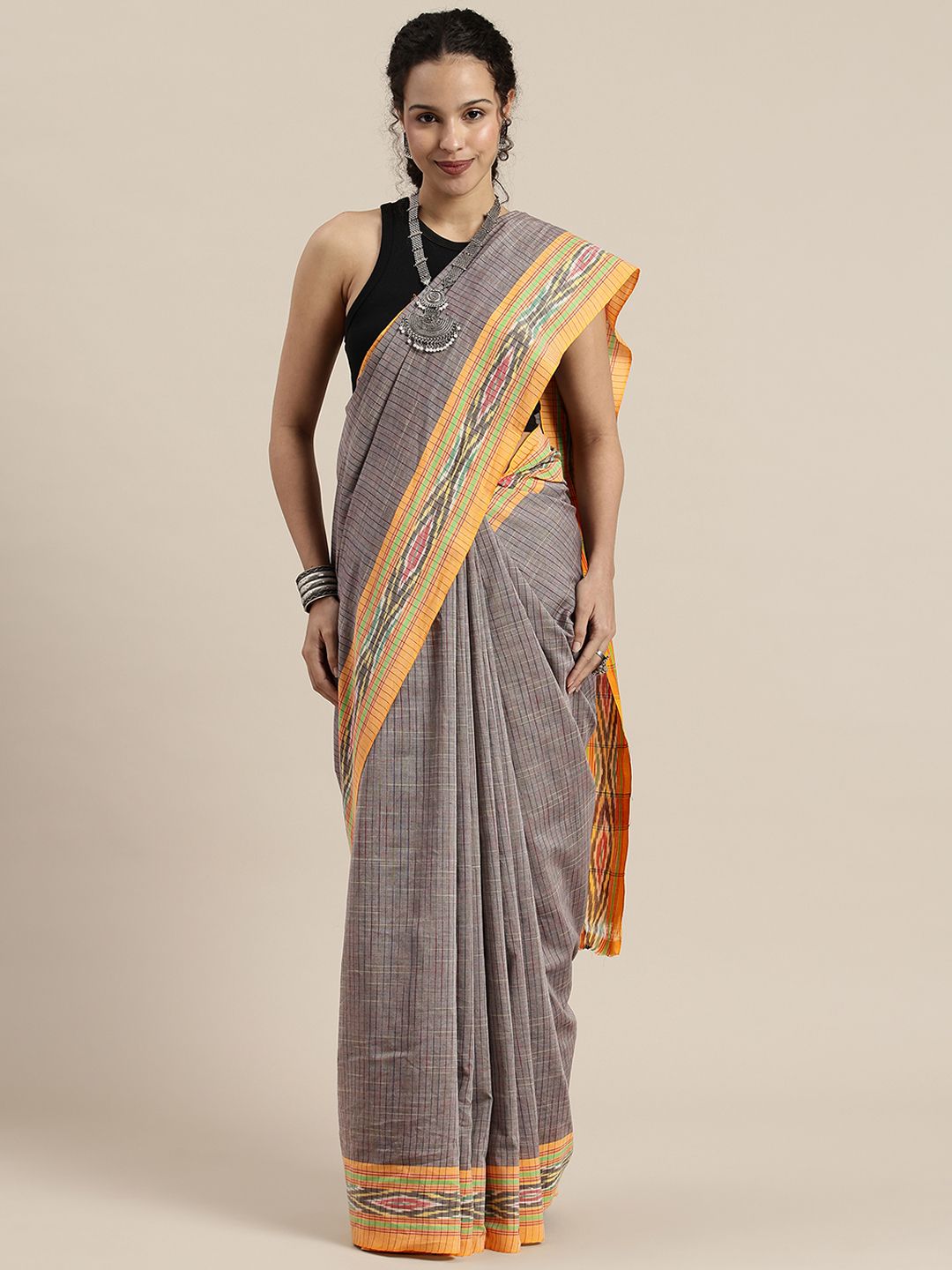
The word “Ikat” comes from the Malay word mengikat, meaning “to tie.” In Pochampally weaving, the yarns are first tied and dyed in a precise pattern before they are placed on the loom. When woven, these pre-dyed threads align to create the signature geometric designs. This technique requires extraordinary precision — even a small miscalculation can ruin the whole pattern.
✨ Silk vs Cotton Pochampally
Pochampally comes in both silk and cotton variants. Silk Pochampally is richer and suited for festive occasions, while cotton Pochampally is breathable and perfect for everyday wearing — especially in the warmer months of South India.
🎀 Styling Tip: A bold teal-and-black Pochampally silk saree with a simple solid blouse and minimalistic earrings is a stunning choice for an evening event or a cocktail function.
“A handloom saree is not just six yards of fabric. It is six yards of someone’s patience, someone’s artistry, and centuries of India’s story.”
— GlamorEver
5. Paithani Saree — Maharashtra’s Peacock Dream
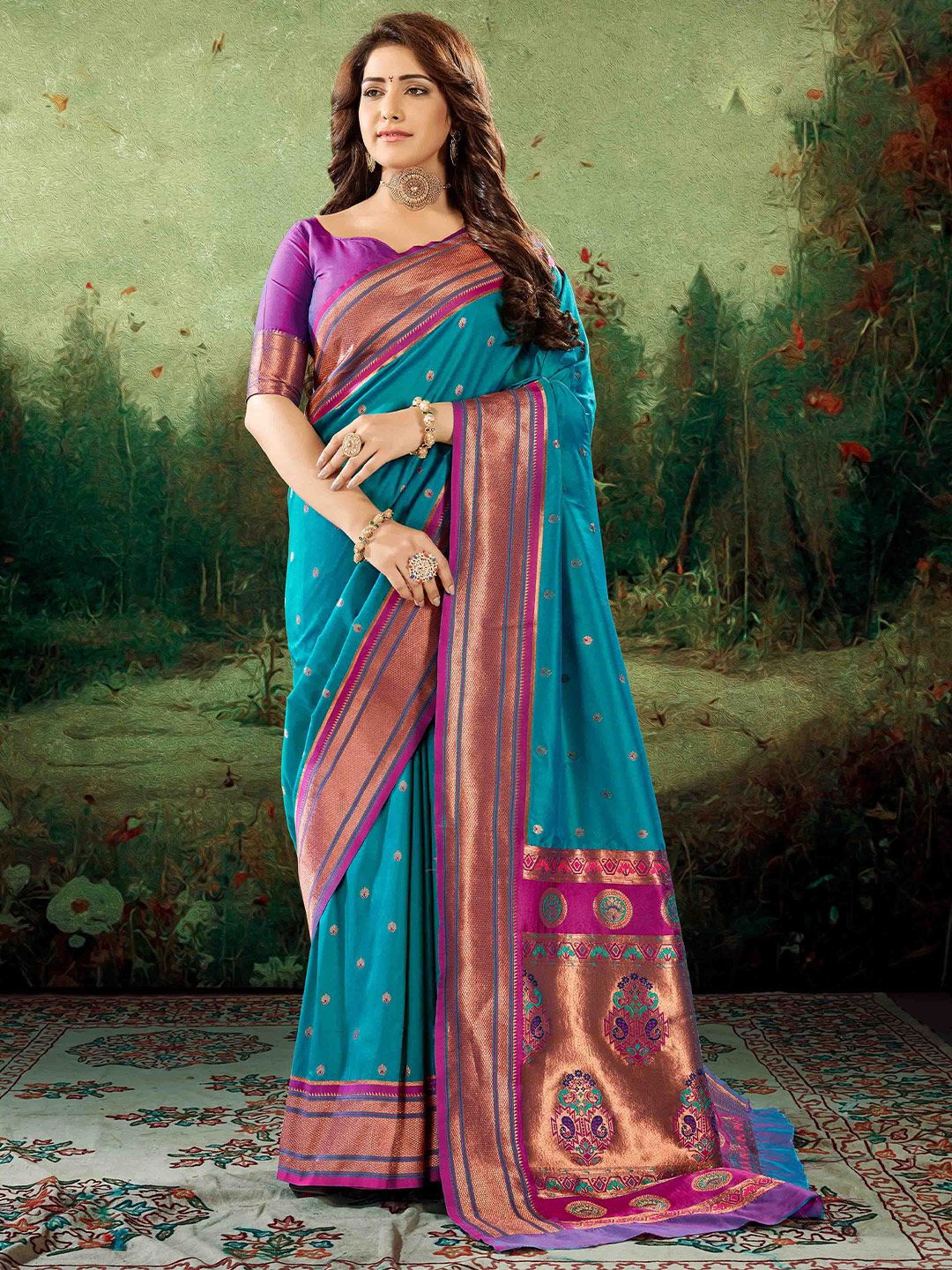
The Paithani saree is to Maharashtra what the Kanjeevaram is to Tamil Nadu — a timeless cultural symbol worn at the most sacred moments of a woman’s life. Made in the ancient town of Paithan on the banks of the Godavari river, this saree has been considered a prized heirloom for over 2,000 years.
🔍 The Peacock Pallu That Steals Hearts
The most defining feature of a Paithani is its peacock motifs (mor) woven into the pallu and borders using real gold and silver zari threads. The weaving is done using a tapestry technique — each colour in the design is woven separately, section by section, which is why a single Paithani can take several months to complete.
✨ The Nauvari Connection
Paithani is traditionally worn as a Nauvari (9-yard saree) in Maharashtrian weddings. However, modern 6-yard versions are just as popular today among women across India who want to embrace this breathtaking weave.
🎀 Styling Tip: Choose a green Paithani with a contrasting pink or orange border and pair it with traditional Maharashtrian nath (nose ring) and kolhapuri chappals for an authentic, gorgeous look at family weddings.
6. 📜 Baluchari Silk Saree — Bengal’s Story in Silk
📍 Bishnupur, West Bengal
If you’ve ever wanted a saree that tells a story — literally — the Baluchari is it. Originating from the town of Baluchar in West Bengal and later revived in Bishnupur, this extraordinary silk saree features mythological scenes from the Ramayana, Mahabharata, and Mughal court life woven directly into the fabric, particularly on the pallu.
🔍 Where Mythology Meets Silk
Baluchari weaving uses an elaborate jacquard loom technique to recreate narrative panels with remarkable detail — chariots, horses, kings, deities — all rendered in untwisted silk thread (resham). The pallu, as a result, becomes a miniature painting in silk. Consequently, no two Baluchari sarees ever look exactly the same.
🥇 GI Tagged | 📖 Narrative Pallu | 🎨 Jacquard Loom | 🏛 Mythological Art
🎀 Styling Tip: A Baluchari in deep wine or ivory with a boat-neck blouse and simple gold bangles is perfect for cultural festivals, puja celebrations, and art events. Display the pallu prominently — that’s where the real artistry lives.
7. Sambalpuri Saree — Odisha’s Ikat Masterpiece
📍 Sambalpur, Odisha
The Sambalpuri saree from western Odisha is one of those rare handlooms that manage to be both strikingly bold and deeply traditional at the same time. Known locally as “Sambalpuri Bandha” — bandha meaning tie-and-dye — this saree uses the Ikat technique to produce rich, nature-inspired patterns that are instantly recognisable.
🔍 Shankha, Chakra & Phula — Nature’s Geometry
The motifs found in Sambalpuri sarees are drawn from nature and Indian iconography — shankha (conch shell), chakra (wheel), phula (flower), and deer are recurring patterns. Furthermore, the weaving community (known as Bhulia weavers) has passed down these designs through oral tradition for generations. Each motif carries a specific cultural meaning.
🥇 GI Tagged | 🐚 Nature Motifs🎨 Bandha Technique🌿 Silk & Cotton
🎀 Styling Tip: A cotton Sambalpuri in earthy tones — terracotta, ochre, or indigo — paired with tribal silver jewellery looks effortlessly stunning at cultural events and ethnic office days.
8. Tant Saree — Bengal’s Breezy Everyday Classic
Not every saree needs to be reserved for a wedding. The Tant saree is the beloved everyday handloom of Bengal — lightweight, breathable, and worn with effortless elegance by Bengali women from dawn to dusk. From morning pooja to afternoon visits, the Tant saree is the go-to garment of Bengal’s daily life.
🔍 Pure Cotton, Pure Comfort
Made entirely from fine cotton with a plain weave, Tant sarees are known for their soft texture, natural breathability, and understated beauty. The borders are typically woven with simple geometric or floral patterns, while the body is often plain or features subtle buti work. Above all, these sarees are honest, unpretentious, and deeply comfortable.
🎀 Styling Tip: A white Tant saree with a red border (the classic “lal-paar”) and a bright red blouse is the iconic Bengali look for Durga Puja, Saraswati Puja, and auspicious occasions. Simple, striking, and absolutely timeless.
9. Kasavu Saree — Kerala’s Golden White Tradition
📍 Balaramapuram & Kuthampully, Kerala
In Kerala, a woman wearing a Kasavu saree for Onam or Vishu is as natural and beautiful as the golden paddy fields after the monsoon. The Kasavu — also known as Kerala Set Saree or Mundum Neriyathum — is the traditional two-piece drape of Kerala, and its full-saree version has become iconic across India.
🔍 The Power of Simplicity
The Kasavu saree is made from off-white or cream handloom cotton with a distinctive gold zari border (kasavu) running along the edge. What makes it extraordinary is precisely its simplicity — no loud patterns, no heavy embellishments, just the quiet confidence of pure white and gleaming gold. Additionally, authentic Kasavu sarees are woven by hand on traditional looms in weaving clusters like Balaramapuram.
🎀 Styling Tip: Wear a Kasavu with a matching off-white blouse and fresh jasmine flowers in your hair for Onam celebrations. Finish with simple gold earrings and a gold necklace — and you’ll look like Kerala royalty.
Last but certainly not the least — in fact, many fashion connoisseurs would argue this belongs in the top five — is the legendary Kota Doria saree from the historic city of Kota in Rajasthan. Delicate, sheer, and impossibly light, a Kota Doria feels like wearing clouds.
🔍 The Square-Check Magic
The defining feature of a Kota Doria (also spelled Kota Doria or Kota Doriya) is its characteristic khat (square check) pattern woven into the fabric. This is achieved by alternating cotton and silk threads in both the warp and weft, creating a translucent, open-weave texture with a subtle geometric grid. As a result, the saree is supremely breathable — ideal for Rajasthan’s intense summers.
✨ Modern vs Traditional Kota Doria
Traditional Kota Doria is plain with the check pattern. However, modern versions come with hand-printed block motifs, zari embellishments, and even tie-dye (bandhani) work — making them even more versatile for contemporary styling.
🎀 Styling Tip: A printed Kota Doria in blush pink or sky blue with a solid cotton blouse is perfect for summer daytime weddings, mehendi functions, and office festivities. Pair with minimal silver jewellery for a polished look.
🛒 How to Buy Authentic Handloom Sarees — A Quick Guide
With so many machine-made imitations flooding the market, buying a genuine handloom saree requires a little awareness. Here’s what to check before you invest in your next handloom treasure. 🔍
1. Look for GI Tags
Most authentic handlooms carry a Geographical Indication (GI) tag. Always ask the seller for certification, especially for Banarasi, Kanjeevaram, and Pochampally.
2. Check the Selvedge
In handloom sarees, the selvedge (side edge) is woven in, not folded and stitched. Run your finger along the edge — handwoven feels firmer and slightly irregular.
3. Buy from Trusted Sources
Shop from government emporiums (like Cottage Industries, Tribes India), verified weavers’ co-operatives, or trusted online platforms like Amazon India, Myntra, and Nykaa Fashion.
4. Price Is a Signal
A genuine Kanjeevaram silk saree rarely costs under ₹5,000. If a price seems too good to be true, it almost always is. Quality handlooms command fair prices — honour that.
5. Support Weavers Directly
Platforms like Craftsvilla, iCraft India, and various state government handloom portals connect you directly with the weaver — ensuring authenticity and fair wages.
6. The Burn Test for Silk
A loose thread from pure silk burns slowly, smells like burnt hair, and leaves a crushable ash. Synthetic fabric burns fast, smells like plastic, and leaves hard beads.
Frequently Asked Questions (FAQs) ❓
Q1: Which handloom saree is best for a bride?
For brides, Banarasi Katan Silk and Kanjeevaram Silk are the top choices across India. Both carry heavy zari work, hold their shape beautifully for hours, and photograph stunningly. South Indian brides typically favour Kanjeevaram, while North Indian brides often opt for Banarasi.
Q2: Which handloom saree is best for summer and daily wear?
Tant (Bengal cotton), Chanderi (lightweight silk-cotton), Kasavu (Kerala cotton), and Kota Doria are all excellent choices for summer and daily wear. They are breathable, lightweight, and easy to drape and wash.
Q3: How do I care for a handloom silk saree?
Always dry-clean heavy silk sarees like Banarasi and Kanjeevaram. For lighter silk sarees, hand-wash gently in cold water with a mild detergent, and never wring or tumble-dry. Store wrapped in a muslin or cotton cloth (not plastic) to allow the fabric to breathe, and refold along different lines every few months to prevent permanent creases.
Q4: Are handloom sarees expensive?
Handloom sarees range from very affordable to genuinely investment-worthy. A beautiful Chanderi or Tant cotton saree can start from ₹800–₹2,000, while premium Kanjeevaram or Banarasi silks can range from ₹8,000 to several lakhs. The price reflects the yarn quality, zari used, and time taken to weave — which can range from 2 days to 6 months for the most elaborate pieces.
Q5: Where can I buy authentic handloom sarees online in India?
You can explore authentic handloom sarees on Amazon India (look for GI-tagged listings), Myntra, Nykaa Fashion, government emporium websites like handicrafts.gov.in, and state-specific portals like Tantuja (Bengal) and APCO (Andhra Pradesh). Always check seller reviews and GI certification before purchasing.
Q6: Which handloom saree is unique as a gift?
A Baluchari silk saree with its mythological narrative pallu or a Paithani with its peacock motifs make extraordinarily unique and memorable gifts — both for brides and for saree collectors. They feel personal, cultural, and deeply meaningful.
Q7: What is the rarest Indian handloom saree?
The Patan Patola (Gujarat) is considered the rarest and most labour-intensive — woven by only a handful of remaining families using a closely guarded double-ikat technique. A single authentic Patan Patola can take four to six months to complete, and prices start from ₹50,000 and go into the lakhs.
🛍 Ready to Add a Handloom Treasure to Your Wardrobe?
Explore our curated collections of authentic Indian handloom sarees — GI-tagged, weaver-endorsed, and styled for the modern Indian woman.
Explore India one saree at a time. 🗺️🥻✨
🌺 Final Thoughts — Every Saree Has a Story to Tell
In a world chasing trends, handloom sarees quietly stand their ground — not because they resist change, but because they represent something permanent. They carry the fingerprints of a weaver who sat for months at a loom, the echoes of a craft that has survived centuries, and the spirit of a culture that finds beauty in patience and precision. 🙏
Therefore, when you wear a Banarasi to a wedding, or drape a Kasavu on Onam morning, or pick up a Tant for a quiet Sunday — you’re doing more than wearing a saree. You’re wearing a chapter of India’s story. And frankly, that’s the most beautiful thing a woman can wear.
So the next time you’re choosing between a fast-fashion outfit and a handloom saree — choose the saree. Not just for yourself, but for the weaver whose hands made it, and the tradition that will live on because you chose it. 💛
Which handloom saree is your favourite? Tell us in the comments — we’d love to hear your story! 💬✨
Passionate software developer and entrepreneur dedicated to building innovative digital solutions. As the founder of glamorever.com, I combine technology, creativity, and business strategy to create valuable online experiences and resources for a global audience.