


August 10, 2026
52 Types of Sarees in India: Traditional, Handloom & Regional Sarees
India is a land of colours, crafts, traditions, and timeless fashion—and few garments represent this beautiful diversity better than the saree. From the luxurious Banarasi silk of Uttar Pradesh to the elegant Kasavu saree of Kerala, every region has its own distinctive weave, fabric, motifs, colours, and styling traditions.
A saree is more than just six yards of fabric. It is a piece of Indian heritage passed down through generations. Some sarees are worn for weddings and festivals, while others are perfect for office wear, pujas, casual occasions, or everyday elegance.
Interestingly, India’s saree traditions are incredibly diverse. Different weaving communities have developed unique techniques using silk, cotton, linen, tussar, wool, and other natural fibres. As a result, there are hundreds of regional sarees across the country.
In this guide, we explore 50+ types of sarees in India, including traditional sarees, famous handloom sarees, regional weaves, silk sarees, cotton sarees, and popular sarees for weddings and festivals. 🌸
Whether you are a saree lover looking to expand your wardrobe or a beginner trying to understand the different types of Indian sarees, this guide will help you discover some of India’s most beautiful traditional weaves.
What Exactly Makes Khadi “Pure”? 🤔
Before jumping into the brands, it’s worth understanding what separates real khadi from the imitations flooding the market.
1. Handspun, Not Machine-Spun 🧶
Genuine khadi yarn is spun by hand on a charkha, rather than on power-driven spinning machines. This is precisely what gives khadi its distinct, slightly uneven texture — a texture that mass-produced cotton simply cannot replicate.
2. Handwoven on Traditional Looms 🪡
Once spun, the yarn is woven into fabric by hand on traditional looms, not power looms. As a result, every khadi piece carries tiny, beautiful imperfections that make it one-of-a-kind.
3. KVIC Certification 🏷️
The Khadi and Village Industries Commission (KVIC), a government body, certifies authentic khadi production. So, whenever possible, look for the KVIC mark or a clear mention of certification on a brand’s website — it’s your best guarantee of authenticity.
4. Supports Rural Artisans 🤝
Perhaps most importantly, pure khadi directly supports thousands of rural spinners and weavers across India. Buying certified khadi, therefore, isn’t just a fashion choice — it’s a small but meaningful contribution to India’s rural economy.
Now, with that context in mind, let’s explore the brands actually doing this right.
50+ Famous Types of Sarees in India 🇮🇳
Let’s explore some of the most beautiful and culturally significant sarees from different parts of India.
1. Banarasi Saree – Uttar Pradesh 🪷
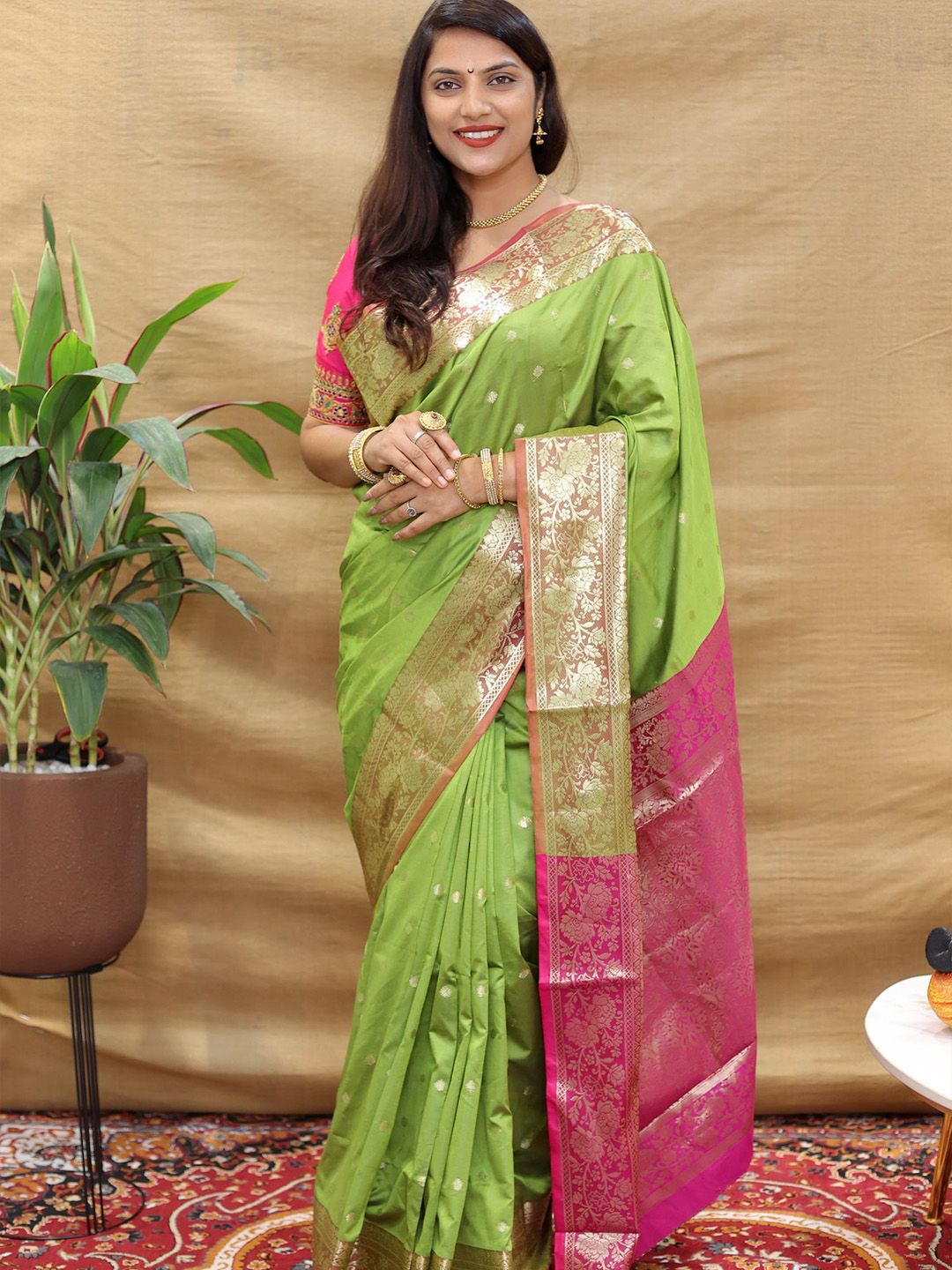
The Banarasi saree is one of India’s most iconic traditional sarees. Originating from Varanasi, these sarees are famous for their luxurious silk fabric, intricate zari work, floral motifs, and traditional Mughal-inspired patterns.
Because of their rich appearance, Banarasi sarees are especially popular for weddings, receptions, and festive celebrations.
Best for: Weddings, bridal trousseau, festivals and receptions.
2. Kanjeevaram Silk Saree – Tamil Nadu 🌺
Also known as Kanchipuram silk saree, the Kanjeevaram saree is synonymous with South Indian bridal fashion.
Made from rich silk and traditionally decorated with gold or silver zari, these sarees are known for their contrasting borders, temple motifs, peacocks, flowers and traditional patterns.
A beautiful Kanjeevaram saree can instantly create a regal wedding look.
Best for: South Indian weddings, bridal wear and temple celebrations.
3. Chanderi Saree – Madhya Pradesh ✨
Chanderi sarees originate from Chanderi in Madhya Pradesh. They are known for their lightweight texture, subtle shine and delicate motifs.
Traditionally made using silk and cotton combinations, Chanderi sarees are particularly loved by women who prefer an elegant yet lightweight ethnic look.
Best for: Office wear, festive occasions and daytime events.
4. Maheshwari Saree – Madhya Pradesh 🌿
Another beautiful Madhya Pradesh handloom is the Maheshwari saree. It traditionally features a lightweight texture, elegant borders and geometric or floral motifs.
The saree is comfortable enough for regular wear while still looking sophisticated.
Best for: Office wear, festivals and semi-formal occasions.
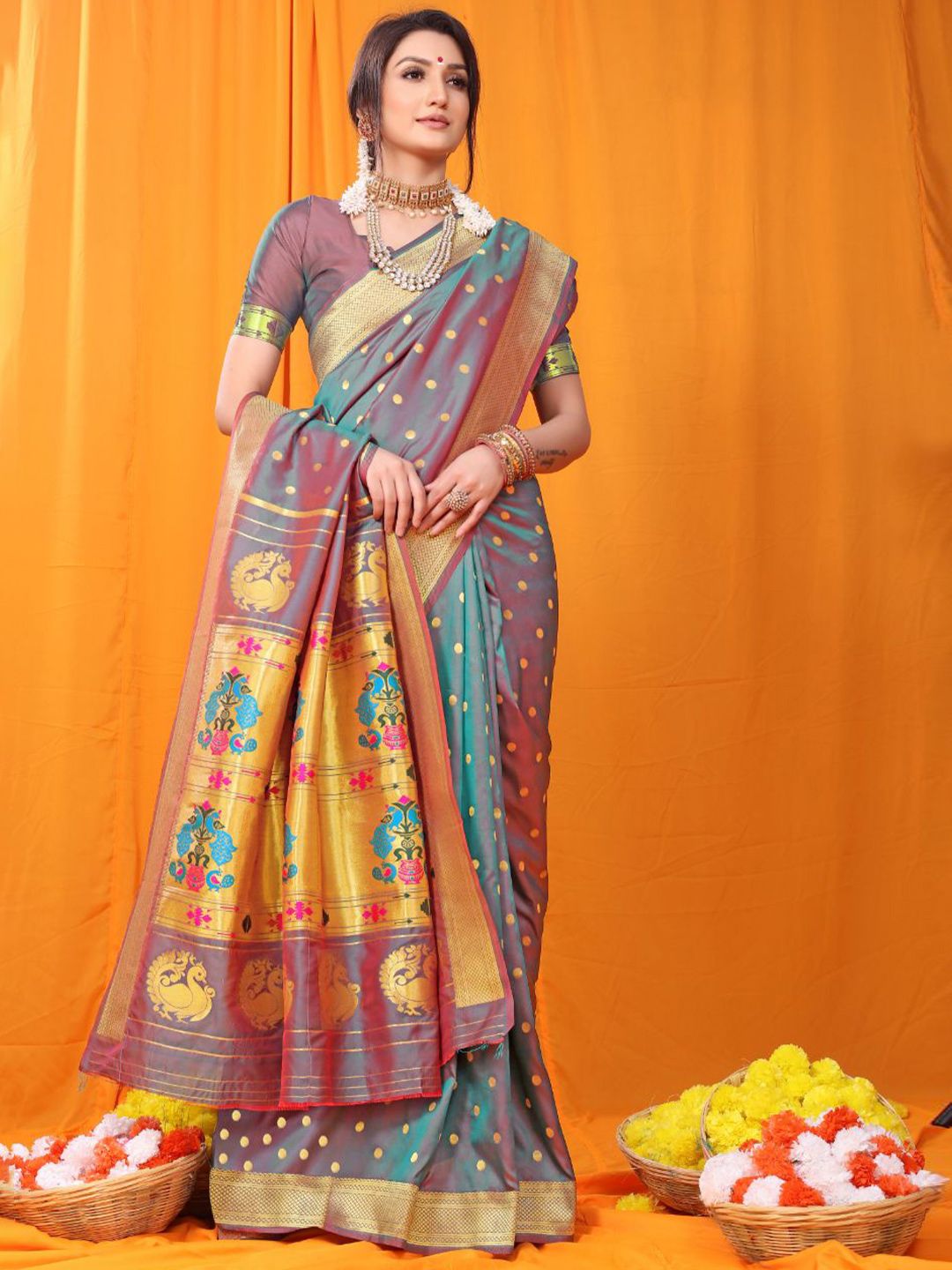
5. Paithani Saree – Maharashtra 🦚
The Paithani saree is one of Maharashtra’s most treasured traditional weaves. It is particularly famous for its beautiful peacock motifs, rich colours and elaborate zari pallu.
Paithani sarees are often associated with Maharashtrian weddings and special celebrations.
Best for: Weddings, festivals and traditional ceremonies.
6. Nauvari Saree – Maharashtra 👑
The Nauvari saree is a traditional Maharashtrian saree typically draped in a distinctive style that allows greater freedom of movement.
It has a strong connection with Maharashtrian culture and is frequently seen during traditional celebrations and cultural performances.
Best for: Maharashtrian festivals, cultural events and traditional occasions.
7. Bandhani Saree – Gujarat & Rajasthan 🌈
Bandhani, also called Bandhej, is created using a traditional tie-and-dye technique. Small sections of fabric are tied before dyeing, producing beautiful dotted patterns.
Bright reds, pinks, yellows, greens and blues make Bandhani sarees particularly attractive for festive dressing.
Best for: Navratri, weddings, festivals and traditional celebrations.
8. Patola Saree – Gujarat 💎
Patola sarees are famous for their intricate geometric designs and traditional double-ikat weaving technique.
Authentic Patola weaving is highly detailed and time-consuming, which makes genuine handwoven Patola sarees prized pieces of Indian textile heritage.
Best for: Weddings, cultural events and luxury ethnic wear.
9. Kota Doria Saree – Rajasthan 🌸
Kota Doria sarees are lightweight and breathable, making them especially suitable for India’s warm climate.
Their characteristic square-like weave gives the fabric a delicate appearance. They are an excellent choice for women who prefer understated elegance.
Best for: Summer, office wear and daytime occasions.
10. Leheriya Saree – Rajasthan 🌊
Leheriya is another traditional Rajasthani tie-dye technique. Its distinctive wave-like patterns create a lively and colourful appearance.
Bright Leheriya sarees are particularly popular during festive celebrations.
Best for: Festivals, casual celebrations and summer occasions.
11. Kasavu Saree – Kerala 🤍✨
The traditional Kasavu saree is instantly recognisable by its elegant white or off-white body and golden border.
It is closely associated with Kerala’s cultural celebrations, especially Onam and Vishu. The minimal colour combination gives it a graceful and sophisticated appearance.
Best for: Onam, Vishu, weddings and traditional functions.
12. Pochampally Ikat Saree – Telangana 🎨
Pochampally sarees are renowned for their distinctive Ikat patterns. The geometric designs and vibrant colour combinations give them a contemporary yet traditional appeal.
They are a great option for women who want to add an artistic handloom saree to their wardrobe.
Best for: Festivals, office wear and contemporary ethnic styling.
13. Uppada Saree – Andhra Pradesh 🌼
Uppada sarees are known for their lightweight silk texture and delicate zari designs.
The sarees often feature elegant motifs and intricate borders, making them suitable for both traditional and modern occasions.
Best for: Weddings, receptions and festive events.
14. Gadwal Saree – Telangana 💛
Gadwal sarees are traditionally known for combining silk borders and pallu with lighter fabric bodies.
The result is a saree that feels relatively lightweight while still offering the richness expected from traditional silk sarees.
Best for: Weddings, festivals and religious ceremonies.
15. Dharmavaram Silk Saree – Andhra Pradesh 🌹
Dharmavaram silk sarees are known for their rich silk texture, broad borders and elaborate zari work.
They are particularly popular for bridal and festive wear because of their luxurious appearance.
Best for: Bridal wear, weddings and receptions.
16. Mysore Silk Saree – Karnataka 💫
Mysore silk sarees are loved for their smooth texture, elegant drape and understated zari details.
Unlike heavily embellished silk sarees, Mysore silk often creates a refined and sophisticated appearance.
Best for: Weddings, formal events and festive occasions.
17. Ilkal Saree – Karnataka 🌺
Ilkal sarees traditionally feature distinctive borders and pallu designs. They are generally known for their comfortable cotton or cotton-silk textures.
Their traditional appearance makes them a wonderful choice for everyday ethnic fashion.
Best for: Daily wear, festivals and cultural events.
18. Bomkai Saree – Odisha 🦋
Bomkai sarees are traditional Odisha handlooms known for intricate motifs and artistic patterns.
Their distinctive designs often reflect elements inspired by nature and traditional culture.
Best for: Festivals, cultural occasions and special gatherings.
19. Sambalpuri Saree – Odisha 🌿
Sambalpuri sarees are among Odisha’s best-known handloom traditions. They are recognised for their traditional Ikat patterns and motifs such as shells, flowers, fish and geometric designs.
They offer a beautiful combination of traditional craftsmanship and contemporary styling.
Best for: Office wear, festivals and cultural events.
20. Bomkai Silk Saree – Odisha ✨
Bomkai silk sarees combine the richness of silk with traditional Odisha motifs.
They are particularly appealing when you want a saree that looks traditional without being overly embellished.
Best for: Weddings and festive celebrations.
21. Baluchari Saree – West Bengal 🎭
Baluchari sarees are famous for their elaborate pallu and motifs depicting mythological scenes, historical stories and traditional Indian imagery.
Because of their storytelling designs, they are more than just garments—they are wearable pieces of art.
Best for: Weddings, cultural events and special occasions.
22. Tant Saree – West Bengal 🌸
Tant sarees are lightweight cotton sarees traditionally associated with Bengal.
They are breathable and comfortable, making them particularly suitable for India’s hot and humid climate.
Best for: Summer, everyday wear and casual occasions.
23. Jamdani Saree – West Bengal/Bangladesh Region 🌼
Jamdani weaving is known for delicate motifs and intricate handwork incorporated into the fabric.
The resulting sarees have an airy, artistic quality and are often considered luxurious handloom pieces.
Best for: Festive occasions, formal events and elegant daytime dressing.
24. Tussar Silk Saree – Eastern & Central India 🍂
Tussar silk has a naturally textured appearance and warm golden undertones.
It is especially popular among women who appreciate the organic beauty of handwoven textiles.
Best for: Festivals, office wear and semi-formal occasions.
25. Muga Silk Saree – Assam 🌟
Muga silk is one of Assam’s most celebrated textile traditions. The silk is naturally known for its rich golden appearance and durability.
Muga sarees are often chosen for important cultural and traditional occasions.
Best for: Weddings, festivals and Assamese traditional ceremonies.
26. Mekhela Chador – Assam 🌺
Although technically a two-piece traditional Assamese attire rather than a conventional saree, the Mekhela Chador deserves mention in any guide to India’s regional drapes.
It is known for elegant motifs, traditional Assamese weaving and rich cultural significance.
Best for: Assamese weddings, festivals and cultural events.
27. Chikankari Saree – Uttar Pradesh 🌿
Chikankari embroidery originated in Lucknow and is famous for delicate floral embroidery.
While Chikankari is traditionally associated with garments such as kurtas, sarees featuring this embroidery have become popular among women looking for soft, elegant ethnic fashion.
Best for: Daytime events, festive gatherings and summer styling.
28. Bhagalpur Silk Saree – Bihar 🧡
Bhagalpur silk, popularly known as Tussar or Bhagalpuri silk in many markets, is appreciated for its natural texture and elegant appearance.
These sarees can work beautifully for women who prefer earthy, sophisticated ethnic fashion.
Best for: Office wear, festivals and formal occasions.
29. Madhubani Saree – Bihar 🎨
Madhubani-inspired sarees incorporate motifs associated with the famous Madhubani painting tradition.
Expect vibrant colours, folk-inspired patterns and artistic designs.
Best for: Cultural events, festivals and statement ethnic looks.
30. Kosa Silk Saree – Chhattisgarh 🌾
Kosa silk is a variety of Tussar silk traditionally associated with Chhattisgarh.
Its naturally textured finish gives the saree an earthy and elegant look.
Best for: Festivals, formal occasions and handloom enthusiasts.
31. Chanderi Silk-Cotton Saree – Madhya Pradesh 🌸
The silk-cotton version of Chanderi offers a lovely balance between softness, lightness and subtle shine.
Consequently, it is a practical choice for women who want traditional elegance without the weight of heavy silk.
Best for: Office wear, festive lunches and daytime celebrations.
32. Kota Silk Saree – Rajasthan ✨
Kota silk combines the delicate Kota weave with silk, creating a saree that feels lightweight yet refined.
Its elegant drape works especially well for women who prefer minimalistic ethnic fashion.
Best for: Parties, festive occasions and summer weddings.
33. Chiffon Saree – Modern Indian Fashion 💃
Chiffon is not a regional handloom in the traditional sense, but it has become an important saree fabric in contemporary Indian fashion.
Its lightweight and flowy nature creates a glamorous silhouette.
Best for: Parties, cocktail events and evening wear.
34. Georgette Saree – Contemporary Favourite 🌙
Georgette sarees are loved for their soft, fluid drape.
They can feature embroidery, sequins, prints or embellishments, making them suitable for modern celebrations.
Best for: Parties, receptions and evening events.
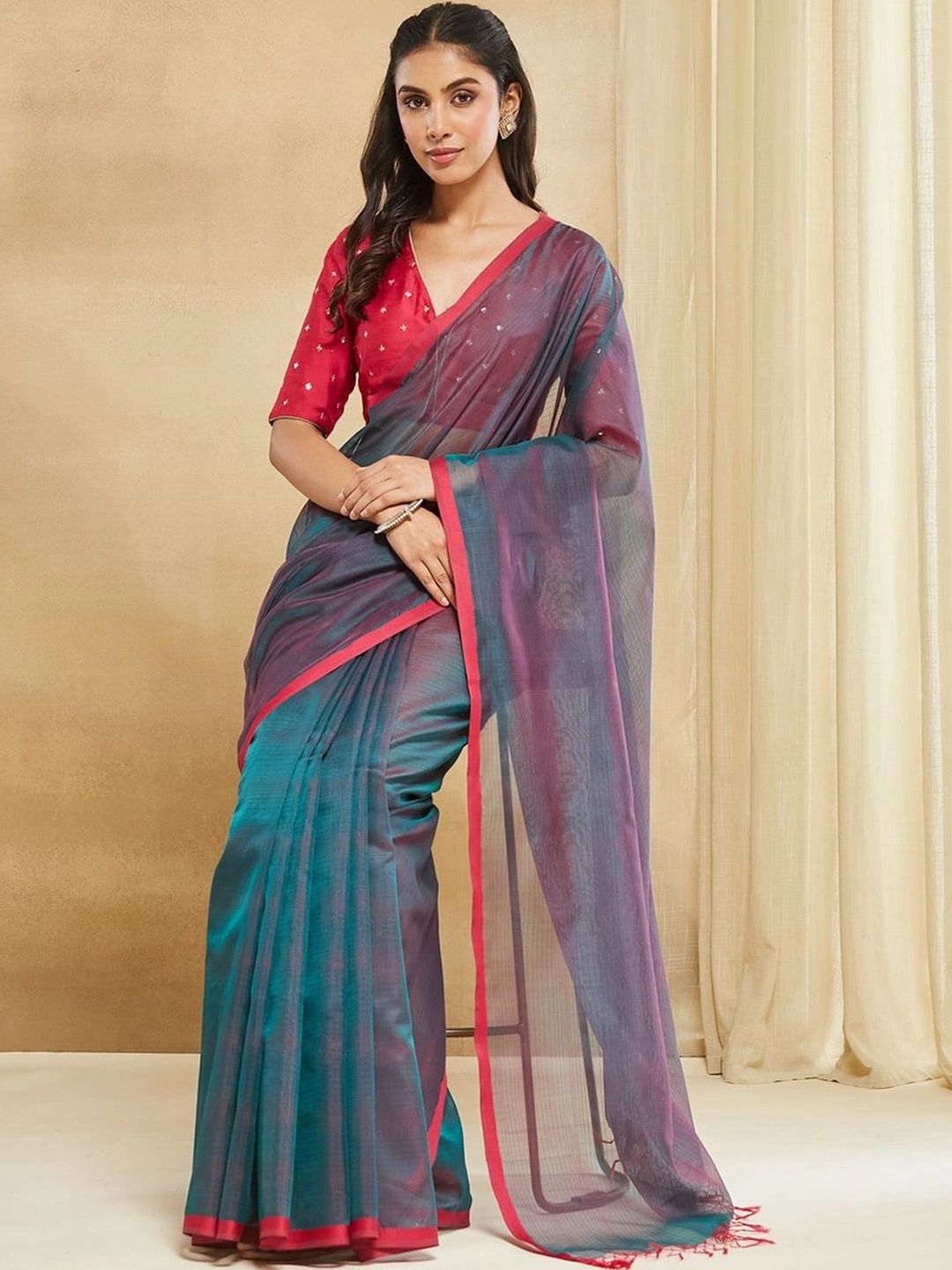
35. Organza Saree – Elegant & Trendy 🌷
Organza sarees have become particularly popular among younger Indian women.
Their crisp texture and lightweight appearance create a sophisticated, contemporary look.
Best for: Weddings, receptions, festive parties and fashion events.
36. Linen Saree – Minimalist Favourite 🌿
Linen sarees have become popular with women who appreciate breathable fabrics and understated elegance.
They are particularly comfortable during warmer months.
Best for: Office wear, brunches and casual occasions.
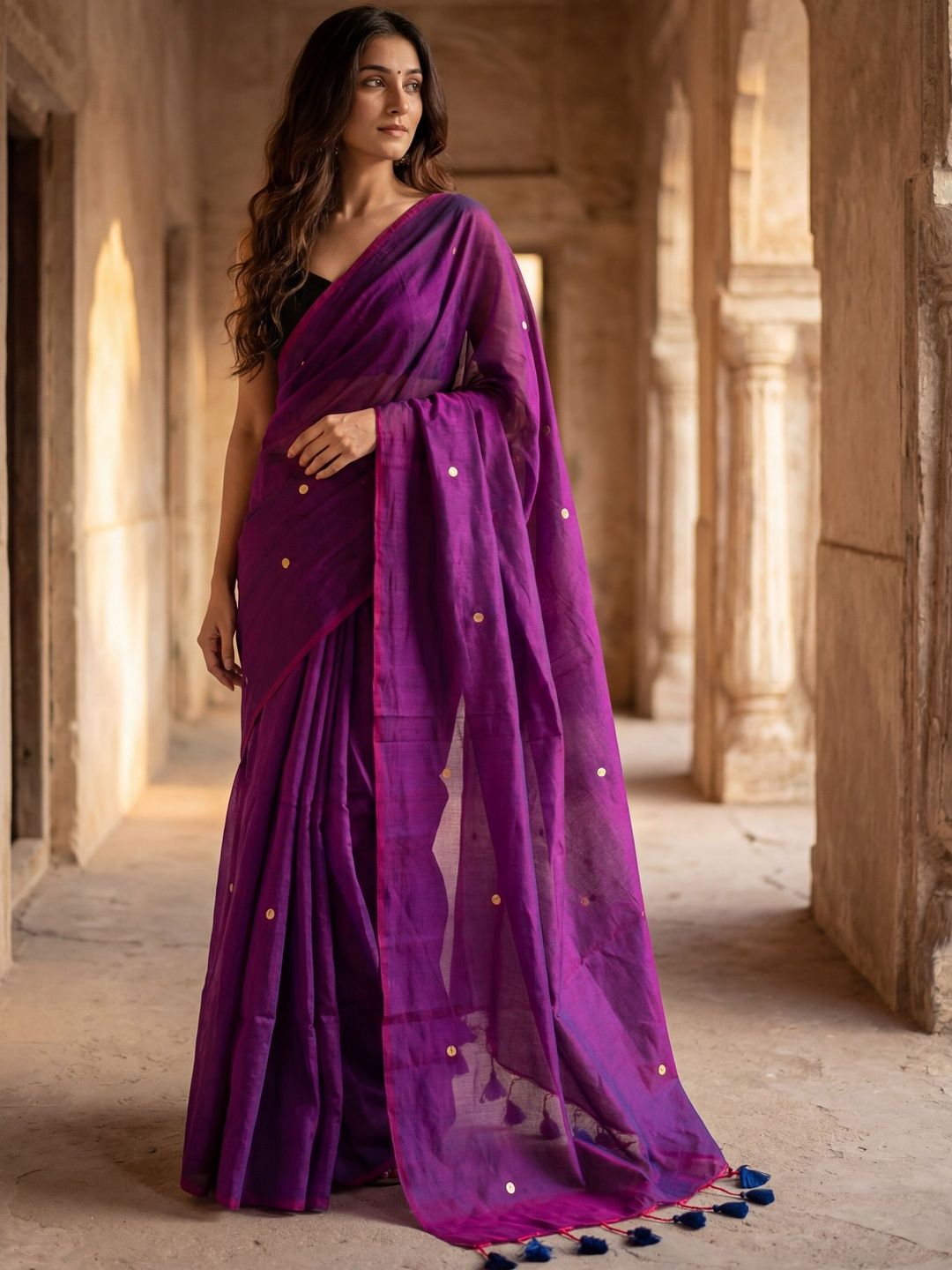
37. Handloom Cotton Saree – Everyday Elegance 🌱
Handloom cotton sarees are among the most versatile sarees for Indian women.
Depending on the region and weaving technique, they can range from simple everyday designs to elaborate festive textiles.
Best for: Office wear, summer and everyday dressing.
38. Mulmul Cotton Saree – Soft & Breezy ☁️
Mulmul cotton is exceptionally soft and lightweight.
Therefore, it is an excellent choice for India’s hot and humid weather.
Best for: Everyday wear and summer styling.
39. Kota Cotton Saree – Rajasthan 🌼
Kota cotton sarees are lightweight and breathable, with the characteristic square-like weave associated with Kota textiles.
They are ideal for women who want comfortable ethnic wear for warm weather.
Best for: Summer, office wear and casual outings.
40. Chanderi Cotton Saree – Madhya Pradesh 🌿
Chanderi cotton sarees combine the comfort of cotton with the delicate aesthetic associated with Chanderi weaving.
They are particularly suitable for elegant daytime dressing.
Best for: Office wear and daytime events.
41. Narayanpet Saree – Telangana 🌺
Narayanpet sarees traditionally feature attractive borders and checks or stripes, often combining cotton and silk characteristics.
Their comfortable texture makes them suitable for regular ethnic dressing.
Best for: Daily wear, festivals and office wear.
42. Chettinad Cotton Saree – Tamil Nadu 🌈
Chettinad cotton sarees are known for bold checks, stripes and vibrant colour combinations.
They are practical, breathable and full of South Indian charm.
Best for: Everyday wear, summer and casual occasions.
43. Madurai Sungudi Saree – Tamil Nadu 💕**
Sungudi sarees are traditionally associated with Madurai and are recognised for their lightweight cotton fabric and dotted tie-dye patterns.
They offer comfort along with a distinctly traditional appearance.
Best for: Everyday wear and summer.
44. Venkatagiri Saree – Andhra Pradesh ✨
Venkatagiri sarees are traditionally known for their lightweight texture and fine weaving.
They are a good option for women who prefer subtle elegance over heavy embellishment.
Best for: Office wear, festivals and formal daytime events.
45. Narayanpet Silk Saree – Telangana 💛
The silk versions of Narayanpet sarees bring additional richness while maintaining the distinctive regional aesthetic.
They are especially attractive for festive dressing.
Best for: Festivals and traditional celebrations.
46. Kanchipuram Cotton Saree – Tamil Nadu 🌸
Kanchipuram is best known for silk, but cotton sarees inspired by the region’s weaving traditions are also popular.
They provide a more lightweight alternative for women who love South Indian textile aesthetics.
Best for: Summer, office wear and pujas.
47. Mangalgiri Saree – Andhra Pradesh 🌿
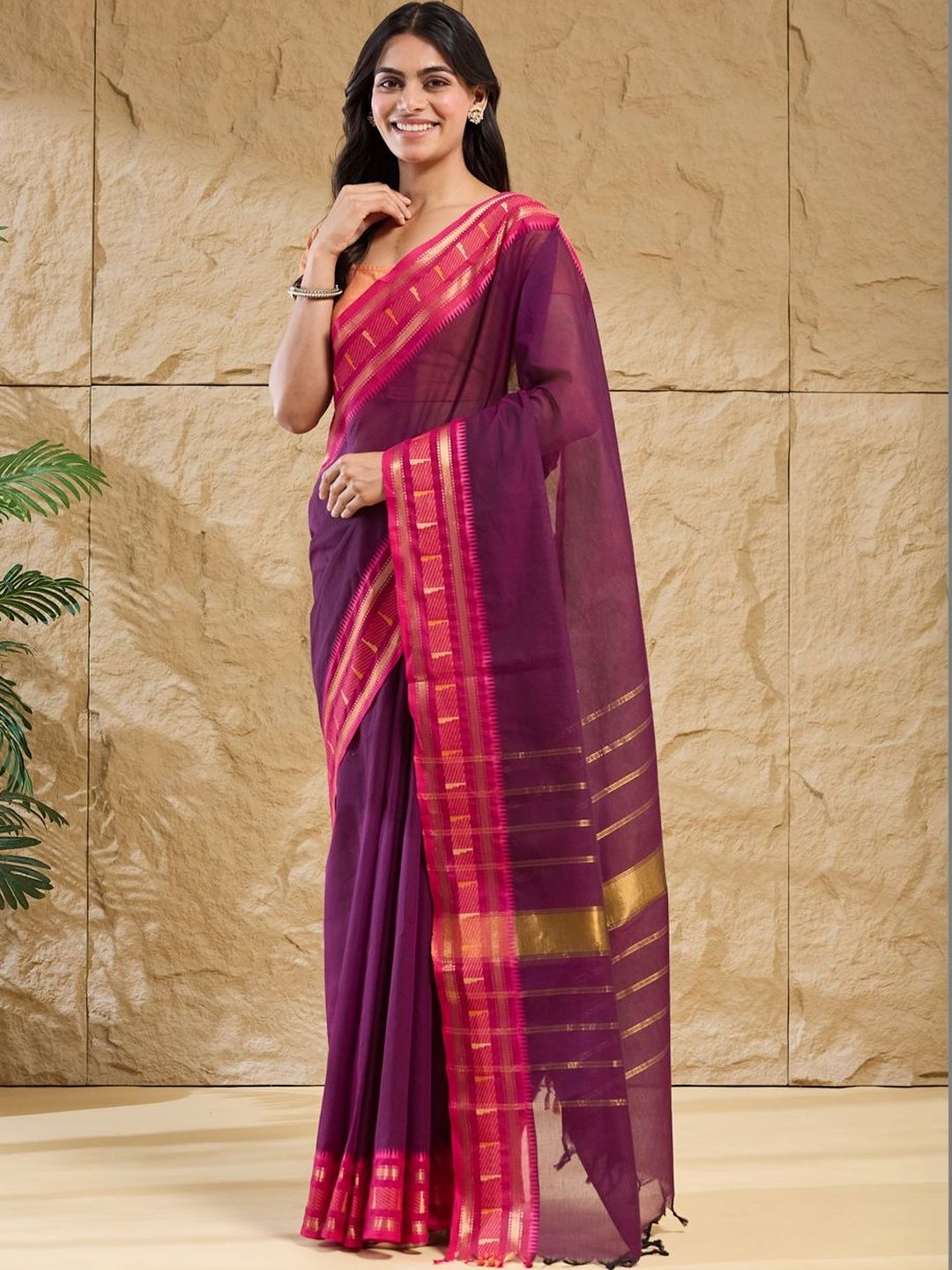
Mangalagiri textiles are known for their lightweight cotton fabric and distinctive borders.
The sarees are comfortable and practical for India’s warm climate.
Best for: Daily wear, office wear and religious occasions.
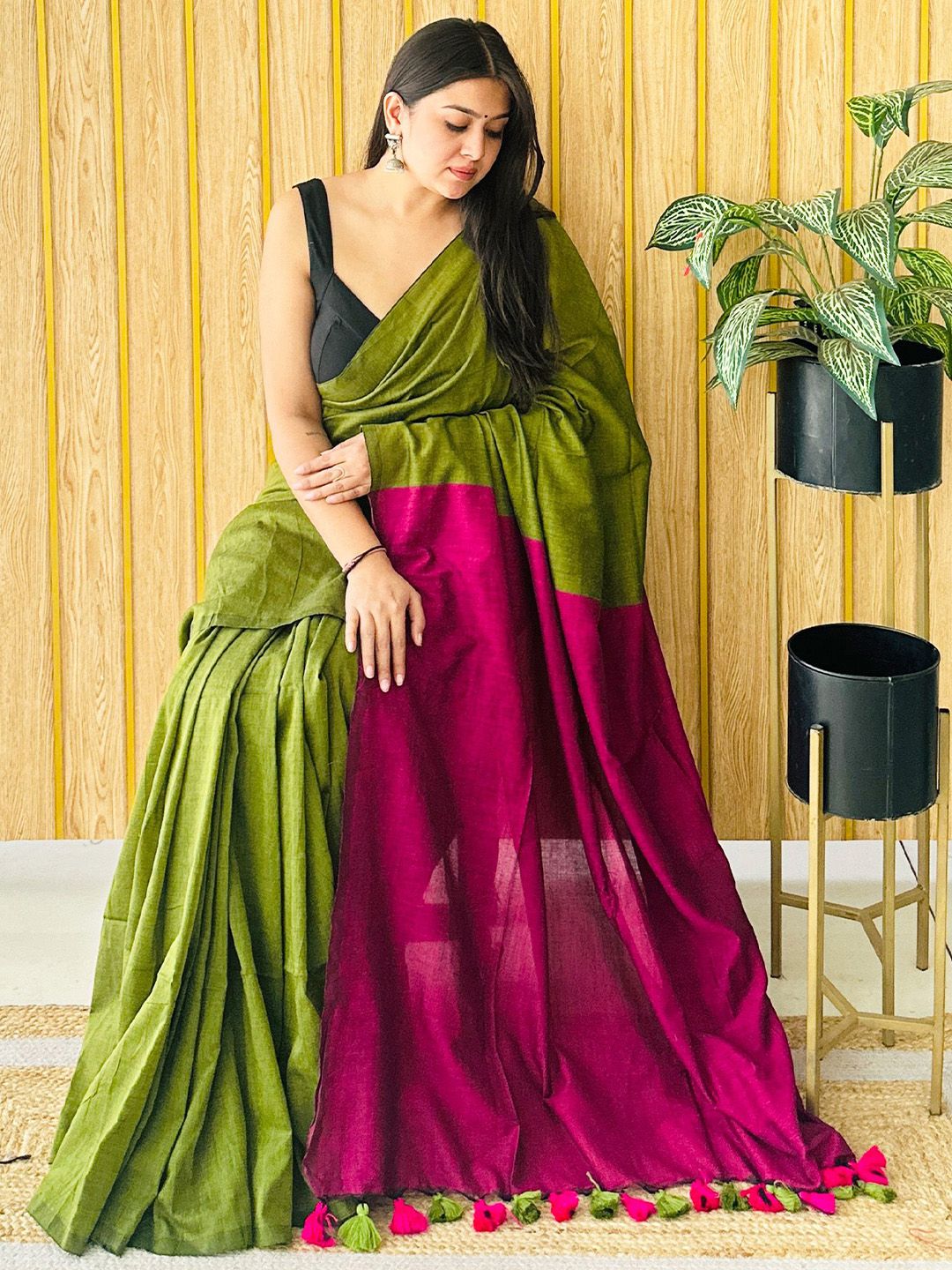
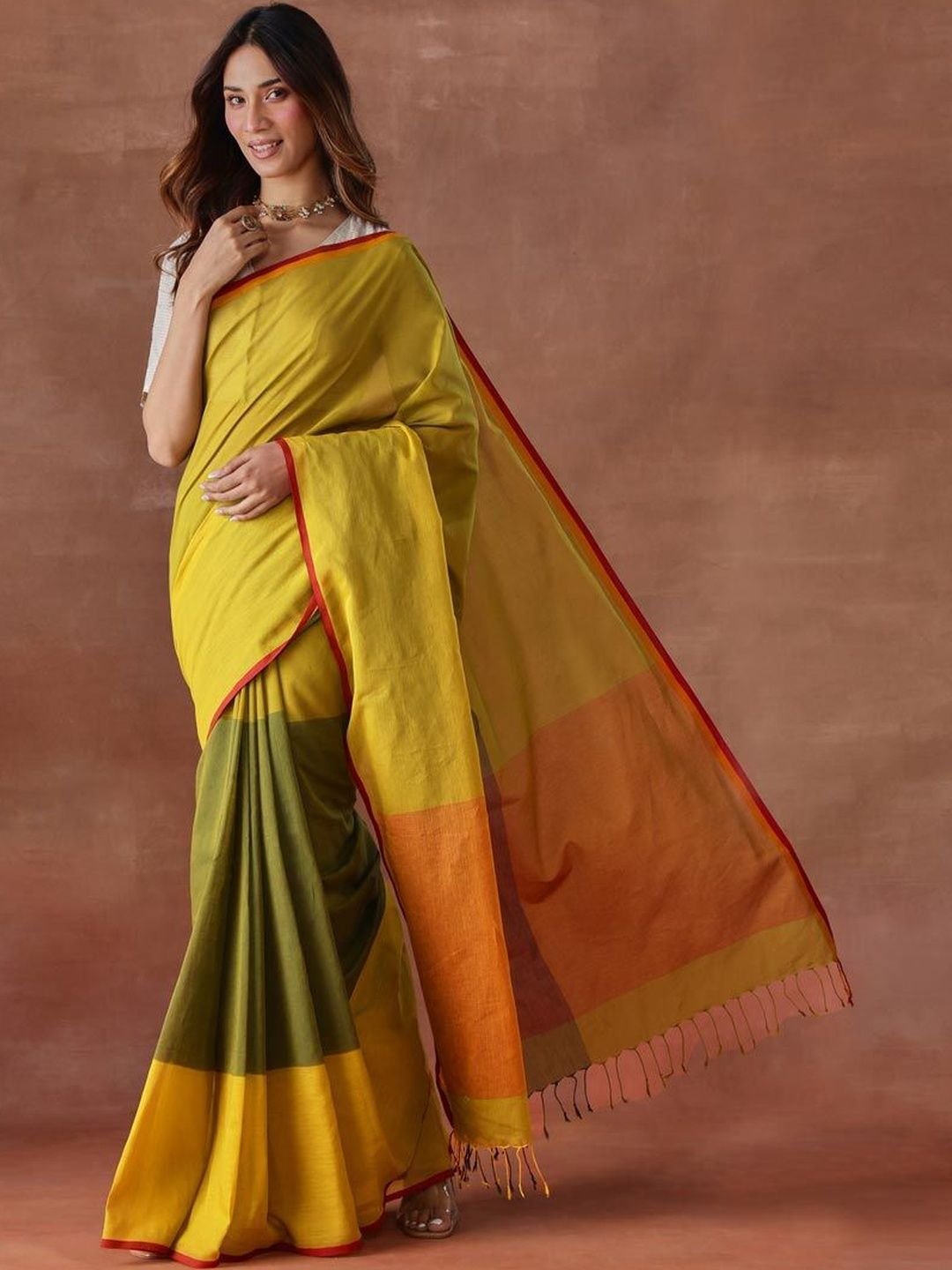
48. Khadi Saree – Pan-India 🇮🇳
Khadi sarees represent India’s long-standing handspun and handwoven textile tradition.
They are known for their natural texture, breathable quality and simple elegance. Today, designers are also giving Khadi sarees contemporary silhouettes and colour combinations.
Best for: Independence Day events, office wear, casual occasions and conscious fashion.
49. Handloom Silk Saree – India 🌟
Handloom silk sarees represent the incredible diversity of India’s weaving traditions.
Depending on the region, you can find everything from rich Banarasi silk to elegant South Indian silks and textured Tussar varieties.
Best for: Weddings, festivals and special occasions.
50. Ikat Saree – India 🎨
Ikat is a distinctive resist-dyeing and weaving technique found in different parts of India.
Pochampally Ikat is one of the best-known Indian examples. The characteristic geometric patterns give Ikat sarees a modern and artistic appearance.
Best for: Office wear, festivals and contemporary ethnic styling.
51. Tissue Saree – Contemporary & Festive ✨
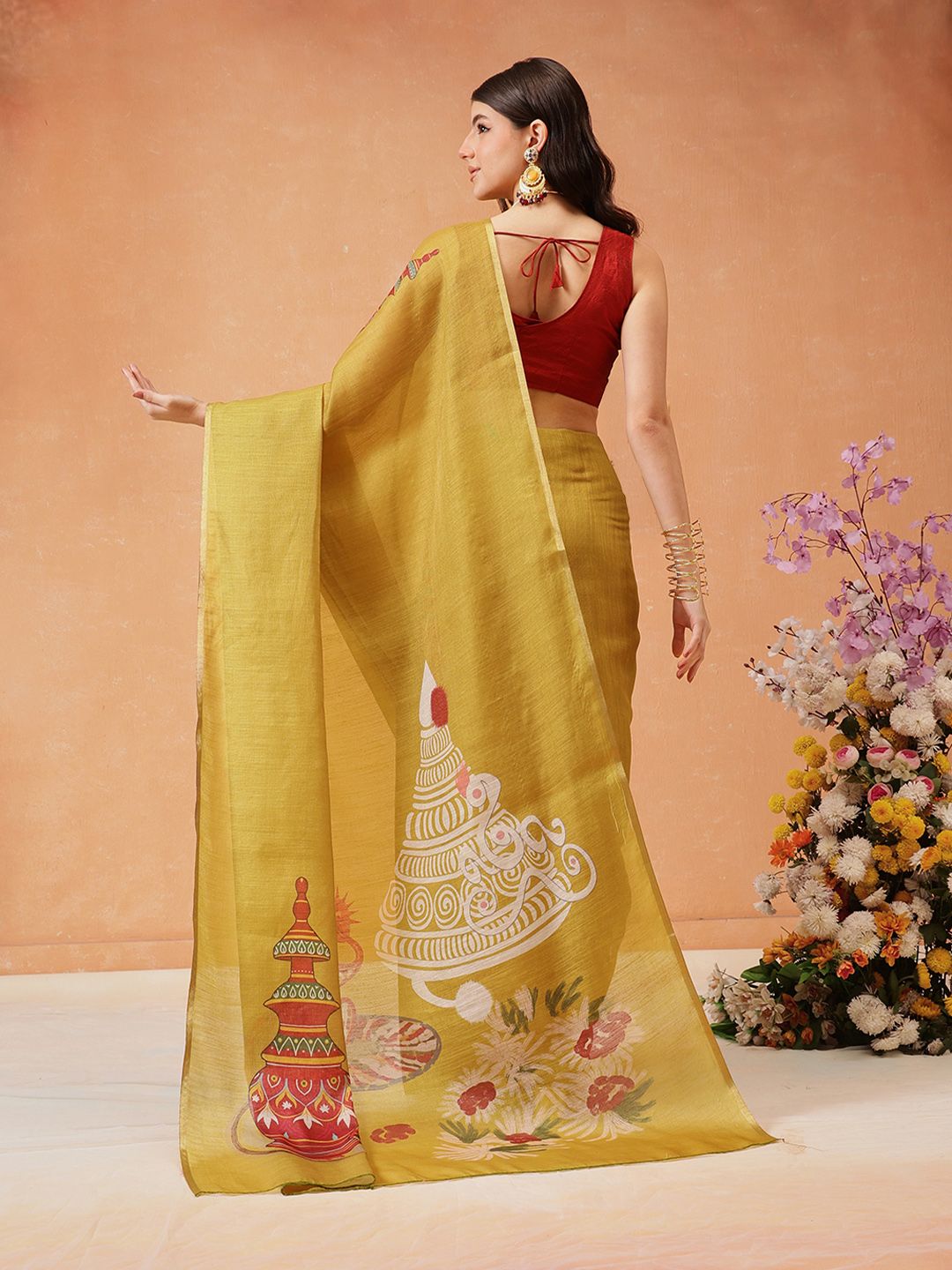
Tissue sarees are recognised for their subtle metallic sheen and lightweight appearance.
They are particularly attractive for festive occasions when you want something glamorous without choosing heavily embroidered fabric.
Best for: Diwali, weddings, receptions and festive parties.
52. Silk Organza Saree – Modern Luxury 🌸
Silk organza combines the delicate structure of organza with the richness of silk.
It has become a popular choice for contemporary wedding and festive wardrobes.
Best for: Receptions, parties and wedding celebrations.
How to Choose the Right Saree for Different Occasions? 👗
Choosing the right saree isn’t only about colour. The fabric, drape, embellishment and occasion all matter.
For Weddings 💍
Choose richer fabrics such as:
- Banarasi silk
- Kanjeevaram silk
- Paithani
- Patola
- Dharmavaram silk
- Uppada silk
- Baluchari
These sarees instantly create a traditional and luxurious appearance.
For Office Wear 💼
For everyday professional dressing, lighter sarees are usually more practical.
Try:
- Chanderi
- Maheshwari
- Linen
- Handloom cotton
- Kota Doria
- Sambalpuri cotton
- Tant
Keep the blouse simple and choose minimal jewellery for a polished appearance.
For Summer ☀️
Indian summers call for breathable fabrics.
Excellent choices include:
- Mulmul cotton
- Handloom cotton
- Kota cotton
- Tant
- Linen
- Chanderi cotton
- Chettinad cotton
For Festivals 🪔
Festivals are the perfect time to experiment with colour and traditional textiles.
Consider:
- Bandhani
- Leheriya
- Paithani
- Banarasi
- Chanderi
- Sambalpuri
- Kanjeevaram
- Kasavu
Types of Sarees Based on Fabric 🧵
Another easy way to understand Indian sarees is by categorising them according to fabric.
Silk Sarees
Popular silk sarees include:
- Banarasi Silk
- Kanjeevaram Silk
- Mysore Silk
- Paithani Silk
- Uppada Silk
- Dharmavaram Silk
- Baluchari Silk
- Muga Silk
- Tussar Silk
Silk sarees are generally associated with weddings, festivals and ceremonial occasions.
Cotton Sarees
Popular cotton options include:
- Tant
- Kota Cotton
- Chanderi Cotton
- Chettinad Cotton
- Mulmul Cotton
- Sambalpuri Cotton
- Handloom Cotton
- Khadi
These sarees are especially suitable for India’s warm weather.
Lightweight Sarees
If comfort is your priority, consider:
- Kota Doria
- Chanderi
- Organza
- Linen
- Mulmul
- Georgette
- Chiffon
How to Style a Traditional Indian Saree? 💃
The beauty of a saree is its versatility. The same saree can look completely different depending on how you style it.
Choose the Right Blouse
A traditional saree can be paired with a classic blouse, while a contemporary saree can work beautifully with:
- Sleeveless blouses
- Puff sleeves
- Halter necks
- High-neck blouses
- Statement sleeves
- Embroidered blouses
However, always consider the saree’s fabric and occasion before selecting the blouse design.
Add Traditional Jewellery ✨
For weddings and festivals, jewellery can transform the overall look.
Try:
- Jhumkas
- Chandbalis
- Temple jewellery
- Kundan jewellery
- Gold necklaces
- Bangles
- Maang tikka
For office wear, keep jewellery minimal with small earrings or a delicate necklace.
Experiment With Draping Styles
You don’t always have to wear the classic Nivi drape.
Depending on the occasion, you can experiment with:
- Bengali drape
- Gujarati drape
- Maharashtrian drape
- South Indian drape
- Seedha pallu
- Contemporary belt saree style
Traditional Saree vs Handloom Saree: What’s the Difference? 🤔
These terms are sometimes used interchangeably, but they don’t necessarily mean the same thing.
A traditional saree usually refers to a saree associated with a particular cultural or regional tradition.
A handloom saree, on the other hand, refers to the method of weaving, where the fabric is woven using a handloom rather than an industrial power loom.
Therefore, a saree can be both traditional and handloom, but the two terms describe different aspects of the textile.
Why Are Indian Handloom Sarees Special? ❤️
Indian handloom sarees carry the stories of weaving communities, regional traditions and generations of craftsmanship.
Each weave can have its own identity—from the motifs used to the way the border is constructed.
Moreover, choosing handloom products can help support traditional textile skills and artisan communities.
For saree lovers, this makes owning a handloom saree more meaningful than simply adding another outfit to the wardrobe.
How to Build a Versatile Saree Collection? 👗
You don’t need dozens of sarees to create an impressive collection.
Start with these five:
1. One Classic Silk Saree
A Banarasi or Kanjeevaram-style silk saree can be your wedding and festive staple.
2. One Lightweight Handloom
Choose Chanderi, Maheshwari or Kota Doria for elegant daytime occasions.
3. One Cotton Saree
A good handloom cotton saree is perfect for summer and everyday ethnic styling.
4. One Statement Regional Saree
Try a Paithani, Patola or Sambalpuri saree for a distinctive cultural look.
5. One Contemporary Saree
An organza, linen or georgette saree can cover modern parties and social events.
This small collection can take you from office meetings to festive celebrations and weddings.
Saree Colours Every Indian Woman Should Consider 🌈
While personal preference matters most, certain colours are especially versatile.
Red ❤️
Perfect for weddings, bridal events and festivals.
Green 💚
A beautiful choice for festivals, traditional ceremonies and daytime celebrations.
Yellow 💛
Ideal for Haldi ceremonies, Basant celebrations and festive occasions.
Pink 💕
Works beautifully for weddings, parties and romantic occasions.
Blue 💙
A versatile colour for both traditional and contemporary sarees.
White & Gold 🤍
Perfect for elegant traditional looks, especially South Indian-inspired styling.
Black 🖤
An excellent option for evening parties and modern saree styling.
How to Care for Your Sarees? 🧺
Traditional sarees, particularly silk and handloom pieces, need proper care.
- Always follow the fabric-specific washing instructions.
- Avoid harsh detergents on delicate sarees.
- Store silk sarees in breathable cotton covers.
- Refold sarees periodically to prevent permanent creases.
- Keep expensive sarees away from direct sunlight.
- Avoid storing valuable textiles in damp areas.
- Air them occasionally to prevent moisture-related damage.
With proper care, a quality saree can remain beautiful for years and may even become a family heirloom.
Frequently Asked Questions About Indian Sarees ❓
What are the most famous types of sarees in India?
Some of the most famous Indian sarees include Banarasi, Kanjeevaram, Paithani, Chanderi, Maheshwari, Patola, Bandhani, Sambalpuri, Kasavu, Chanderi, Kota Doria and Baluchari sarees.
Which saree is best for weddings?
Banarasi silk, Kanjeevaram, Paithani, Patola, Dharmavaram and Uppada silk sarees are excellent choices for weddings. The best option depends on your region, personal style and wedding function.
Which sarees are best for summer in India?
Lightweight cotton and breathable sarees are ideal for summer. Popular options include Kota cotton, Tant, Mulmul cotton, Chanderi cotton, linen and handloom cotton sarees.
Which sarees are considered traditional in India?
Traditional sarees are generally associated with particular regions, communities or weaving traditions. Examples include Kanjeevaram from Tamil Nadu, Banarasi from Uttar Pradesh, Paithani from Maharashtra, Kasavu from Kerala and Sambalpuri from Odisha.
What is the difference between silk and handloom sarees?
Silk describes the fibre or fabric, while handloom describes the method of weaving. Therefore, a saree can be both silk and handloom.
Which saree is best for office wear?
Chanderi, Maheshwari, linen, handloom cotton, Kota Doria and lightweight Sambalpuri sarees are excellent choices for office wear because they offer comfort while maintaining a polished ethnic appearance.
Which Indian saree is famous for peacock motifs?
Paithani sarees from Maharashtra are particularly famous for their beautiful peacock motifs, especially on the pallu.
Which saree is famous in Kerala?
The Kasavu saree is one of Kerala’s most recognisable traditional sarees. Its white or off-white body and golden border make it especially popular during Onam and other traditional celebrations.
Which saree is famous in Gujarat?
Gujarat is particularly famous for Bandhani and Patola sarees. Both have distinctive traditional techniques and colourful designs.
Are handloom sarees good for everyday wear?
Yes. Handloom cotton sarees, Chanderi cotton, Tant, Kota cotton and several other lightweight handloom varieties are excellent for everyday use, particularly in India’s warm climate.
Final Thoughts: Celebrate India’s Saree Heritage 🇮🇳❤️
From the luxurious Banarasi and Kanjeevaram to the breezy Kota Doria and Tant, India’s saree heritage is incredibly diverse.
Every region brings something unique to the world of Indian textiles. Some sarees tell stories through their motifs, while others showcase extraordinary weaving techniques. Some are designed for grand weddings, whereas others are perfect for a simple day at work.
And that is precisely what makes the saree so special.
It can be traditional yet modern, simple yet luxurious, comfortable yet glamorous.
Whether you’re shopping for your first handloom saree, building a bridal trousseau, choosing an outfit for Onam or simply looking for an elegant addition to your wardrobe, there is an Indian saree for every woman and every occasion. 🌸
So, the next time you drape a saree, remember—you aren’t simply wearing six yards of fabric. You are wearing a piece of India’s living textile heritage. 🇮🇳✨
Passionate software developer and entrepreneur dedicated to building innovative digital solutions. As the founder of glamorever.com, I combine technology, creativity, and business strategy to create valuable online experiences and resources for a global audience.


