September 27, 2026
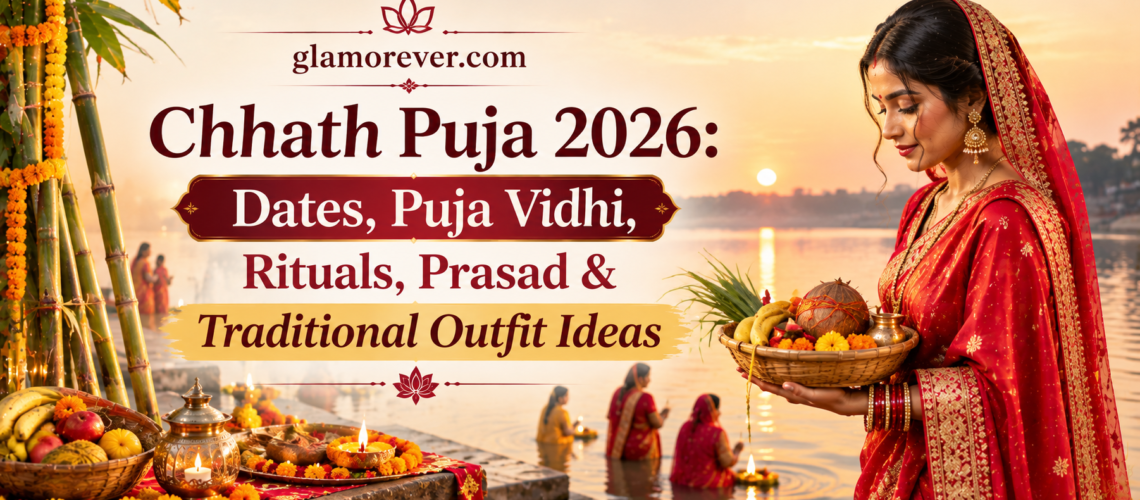
Chhath Puja 2026: Dates, Puja Vidhi,
Rituals, Prasad & Traditional Outfit Ideas
Everything you need for a deeply meaningful and beautifully observed Chhath 2026 — four-day ritual guide, complete prasad list, Thekua recipe, and traditional outfit ideas for women. 🌞🌈
Of all the festivals in the Indian calendar, Chhath Puja may be the most purely and profoundly spiritual one — a four-day act of devotion that asks everything of you, and gives back something far greater in return.
There are no idols. There is no priest required. There is no elaborate temple ritual. Chhath Puja is, at its most essential, a direct, unmediated conversation between the devotee and the Sun — Surya Dev, the source of all life — and Chhathi Maiya, the goddess of life’s energy. The vratti (the woman or man observing the vrat) stands in the waters of a river, a pond, or any natural body of water, and offers arghya — a cupped palm of water lifted toward the setting and rising sun — in an act of gratitude and prayer that is among the most visually and spiritually moving sights in all of Indian culture.
In 2026, Chhath Puja falls in November, and across Bihar, Jharkhand, Uttar Pradesh, Delhi, and the vast Purvanchal diaspora spread across every Indian city, preparations will begin weeks in advance. Whether you are observing the vrat for the first time, accompanying a family member to the ghat, or simply wanting to understand and participate more deeply in this beautiful tradition, this guide covers everything you need. We have included the exact dates, a complete day-by-day puja vidhi, the full prasad list, a Thekua recipe, and a thoughtful guide to traditional outfit choices — because what you wear to the ghat for Chhath Puja carries its own deep meaning and deserves its own careful consideration. Let us begin. 🌞🌈
📌 Chhath Puja 2026 — At a Glance
- 🌞Dedicated to: Surya Dev (the Sun God) and Chhathi Maiya (Goddess of Life’s Energy) — one of the few festivals in Hinduism that involves direct worship of the Sun.
- 🌈Primary tradition: Bihar, Jharkhand, eastern Uttar Pradesh (Purvanchal), and the Purvanchal diaspora across Delhi, Mumbai, and all major Indian cities.
- 🕐Duration: Four days, beginning on the sixth day (Shashthi) after Diwali in the Kartik month — making it the one festival that directly follows the Festival of Lights.
- 🤝Who observes it: Traditionally women, though men also observe the vrat. The vratti fasts for 36 hours without water (nirjala) before Sandhya Arghya.
- 🌿What makes it unique: No idols, no priests required, no temple. Worship happens directly in open water — rivers, ponds, or any clean natural water body — at sunrise and sunset.
📅 Chhath Puja 2026 Dates: Complete Four-Day Calendar
Chhath Puja 2026 falls in november, on the Shashthi (sixth day) of Shukla Paksha in the Hindu month of Kartik. As always, confirm exact sunrise and sunset times for your city through a verified panchangam, since arghya timings are precise and location-specific. Below is the complete four-day date guide.
13 November 2026
Day 1 — Nahay Khay 🌊
The vratti takes a holy bath in a river or clean water body, cooks and eats a single pure meal of kaddu-bhaat (bottle gourd with rice) cooked in bronze or clay vessels. The house is deep-cleaned and all preparations begin.
14 November 2026
Day 2 — Kharna / Lohanda 🍭
The vratti fasts the entire day without water, then prepares and eats kheer (rice pudding in new clay pots with jaggery and milk) and rotis in the evening — the only meal before the 36-hour nirjala fast begins.
15 November 2026
Day 3 — Sandhya Arghya 🌓
The most visually iconic moment of Chhath — the vratti stands in water at sunset and offers arghya (cupped palms of water) to the setting sun.
16 November 2026
Day 4 — Usha Arghya 🌞
The final and most auspicious offering — the vratti returns to the ghat before sunrise, stands in water, and offers arghya to the rising sun at dawn. After sunrise, the fast is broken with coconut, ginger, and Chhath prasad distributed to all.
 Click for Best Selling Kurti Sharara Sets Online in India
10 Famous Handloom Sarees of India
Best Women’s Festive Kurti Sets & Traditional Outfits Under ₹1000
Latest Saree Trends 2026
Best Party Wear Designer Sarees for Women
💡 Confirm your city’s arghya timings: Chhath arghya must be offered at the precise moment of sunset (Sandhya Arghya) and sunrise (Usha Arghya). These timings are location-specific and can vary by 15–45 minutes between cities. Always check Drik Panchang or your local panchangam for exact 2026 sunrise and sunset times in your city.
🌞 The Significance and Story of Chhath Puja
Chhath Puja is one of the oldest surviving Vedic traditions in Hinduism, with roots in the Rigveda, where hymns to Surya and Usha (the goddess of dawn) are among the earliest recorded prayers in the Sanskrit literary tradition. Unlike most Hindu festivals that developed their current forms over medieval centuries, Chhath Puja’s essential character — direct sun worship at water’s edge, without intermediary or idol — has remained remarkably unchanged for thousands of years.
Chhathi Maiya, the goddess at the heart of this festival, is believed to be a form of Prakriti — the divine feminine principle of nature herself — and specifically the sixth form (Shashthi) who is the guardian of children and the giver of life’s blessings. Consequently, the Chhath vrat is observed primarily by women for the health, longevity, and prosperity of their children and family — a profound act of maternal devotion that has been maintained unbroken through generations of Bihari and Purvanchali women, regardless of migration, urbanisation, or the passage of time.
Moreover, what makes Chhath particularly remarkable is its complete democracy. There is no hierarchy, no temple priest’s mediation required, no distinction between rich and poor at the ghat. The vratti — whether she has arrived in a Mercedes or walked several kilometres on bare feet as part of her vow — stands in the same water, offers the same arghya, and prays to the same sun. It is, in this sense, one of India’s most egalitarian spiritual practices, and one of the most beautiful to witness.
Why the Sun? The Science Behind the Devotion 🌞
Chhath’s sun worship has a deeply intuitive scientific basis that becomes clear when you understand the precise timings. The vrat specifically requires the vratti to look directly at the sun during the brief periods at sunset and sunrise when ultraviolet radiation is absent — in modern science, these are the moments when the sun’s rays contain the highest concentration of beneficial infrared radiation and are safest to observe directly. Ancient Indian traditions understood this intuitively and encoded it into a devotional practice that has served as a form of heliotherapy for thousands of years — a beautiful example of science and spirituality in perfect alignment.
🌈 Chhath Puja 2026 Vidhi: Day-by-Day Complete Guide
Here is a clear, respectful, and practically detailed guide to the Chhath Puja vidhi across all four days — whether you are observing the vrat for the first time or are a seasoned devotee who wants a structured reference.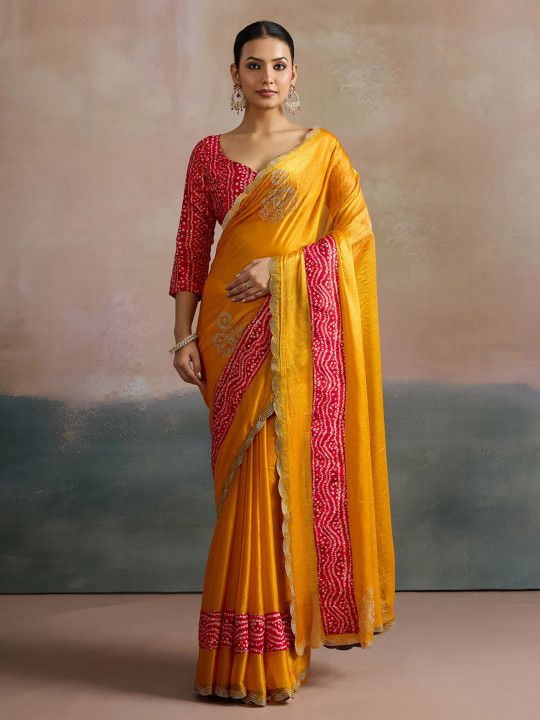
Nahay Khay — The Holy Bath and the Pure Meal 🌊
Nahay Khay translates literally as “bathe and eat” — but the simplicity of the phrase belies the spiritual weight of the day. This is the beginning of the entire four-day vrat, and everything from this day forward must be conducted with complete purity of body, mind, and surroundings. The vratti, as well as her household, undertakes a deep purification that sets the tone for the next four days of devotion.
- 1. Wake before sunrise and take a complete bath — ideally in a river (Ganga, if accessible) or in clean water at home. This is a purifying bath, undertaken with full devotion, not merely a routine one.
- 2. Deep-clean the entire house, particularly the kitchen. All utensils used for Chhath prasad must be new or unused — traditionally brass, copper, or new clay vessels. No iron utensils are used for prasad preparation throughout the festival.
- 3. Cook the single meal of the day: kaddu-bhaat — bottle gourd (lauki) cooked simply with minimal spices (no onion, no garlic), served with rice, and chana dal. No salt in many traditions; use sendha namak if salt is used. This meal is eaten once, in the afternoon.
- 4. Begin preparations for the prasad that will be offered on Day 3 and 4 — gathering wheat flour, jaggery, ghee, rice, sugarcane, seasonal fruits, and other prasad items. All ingredients must be fresh and pure.
- 5. The vratti observes celibacy and emotional restraint throughout the festival, sleeping on the floor on a clean mat or blanket. Family members typically observe similar restraint out of respect and support for the vrat.
Kharna / Lohanda — The Day-Long Fast & Evening Prasad 🍭
- 1. The vratti fasts without food or water (nirjala) through the entire day, maintaining prayers and meditative focus. Family members support her with encouragement and by keeping the home environment quiet and spiritually focused.
- 2. In the evening, after sunset, the vratti prepares the Kharna prasad herself — gur ki kheer (rice pudding made with jaggery, not sugar, and full-fat milk) in a new clay pot. Rotis made of wheat flour are also prepared on a new chulha (clay stove) using mango wood, in the traditional practice.
- 3. The kheer and rotis are first offered to Chhathi Maiya through prayer, then the vratti eats a measured portion, and finally the prasad is distributed to all family members and neighbours who have gathered.
- 4. After Kharna prasad is distributed, the vratti’s 36-hour nirjala fast begins. She will not eat or drink anything — not even water — until after Usha Arghya on Day 4. This is the spiritual core of the Chhath vrat and the most significant personal sacrifice of the entire festival.
Sandhya Arghya — The Sunset Offering 🌓
Sandhya Arghya is the defining image of Chhath Puja — the photograph that most people think of when they think of this festival. Thousands of vrattis standing in river water at golden hour, holding bamboo silos (supas) filled with prasad, lifting cupped palms of water toward the setting sun in an act of gratitude and prayer that is simultaneously intimate and overwhelming in its collective power. If you have never witnessed a Chhath Sandhya Arghya at a major ghat — whether on the banks of the Ganga in Patna, the Yamuna in Delhi, or any of the thousands of local ghats across the country — it is one of the most extraordinary experiences India’s spiritual and cultural life has to offer.
- 1. From the morning, prepare the prasad supa — a large bamboo winnowing basket filled with Thekua, Kasar (rice balls), coconut, sugarcane stalks, a variety of seasonal fruits, ginger root, water chestnut (singhara), and a brass diya.
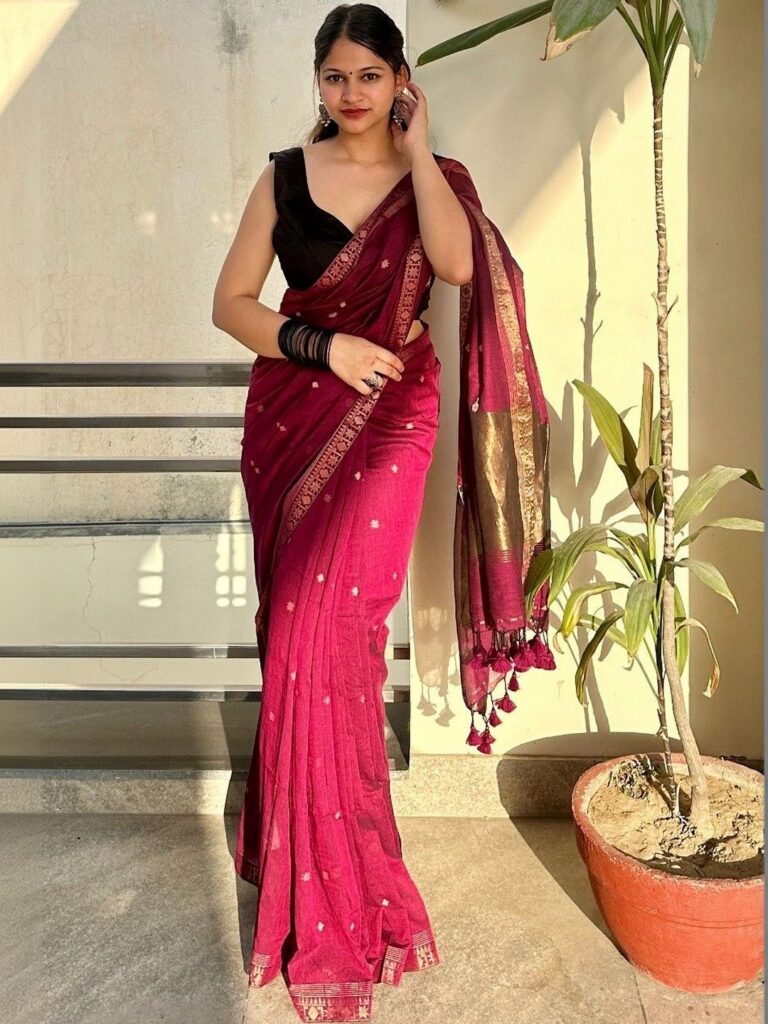
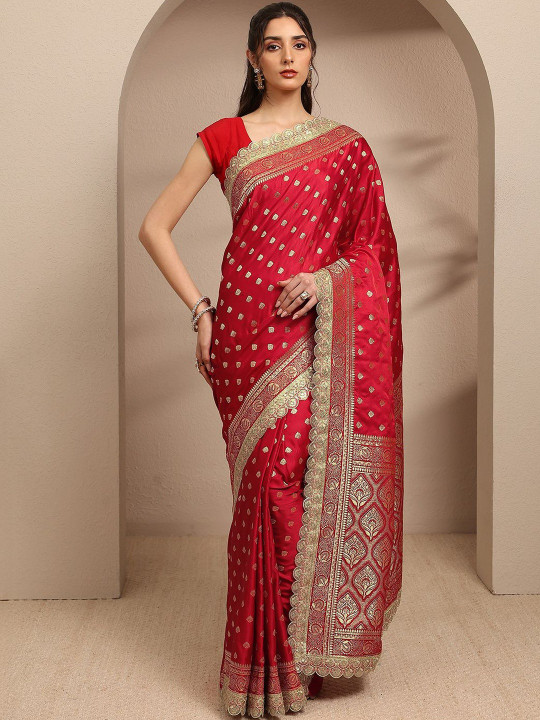
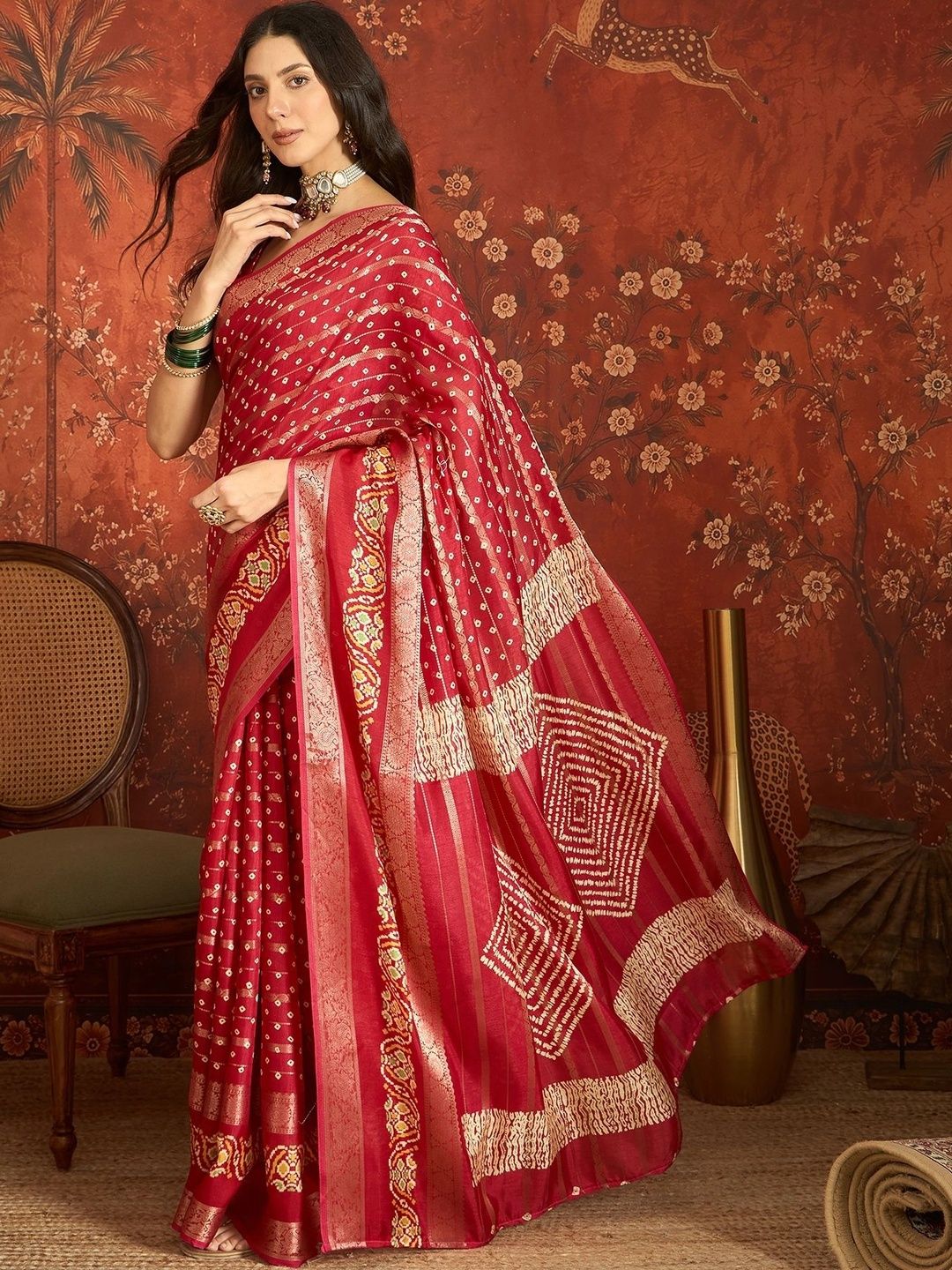
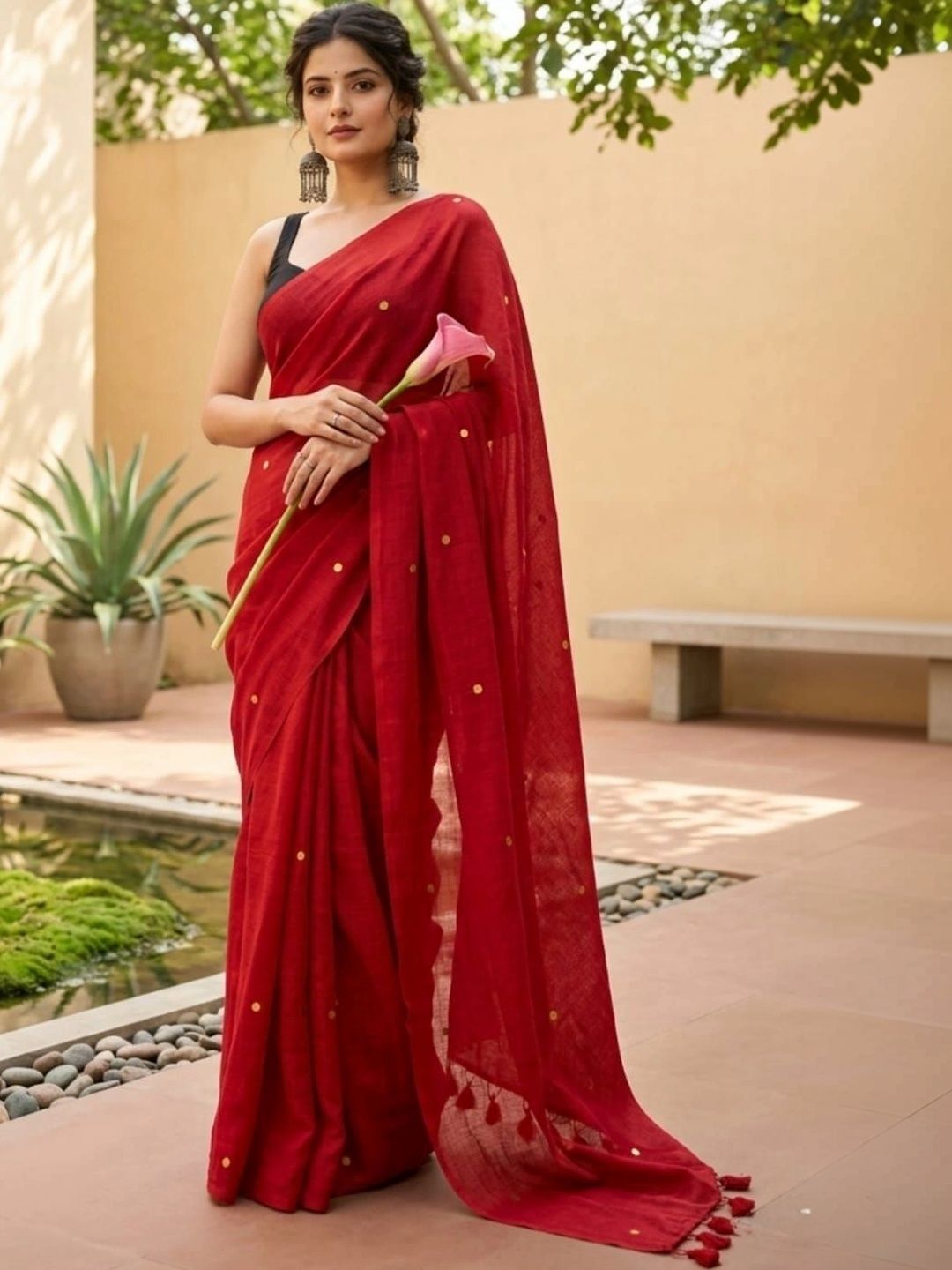
- 2. Dress in the traditional Chhath outfit — a new, unwashed cotton or silk saree in yellow, red, or orange without blouse stitching in the stricter tradition (see outfit section below for complete details). Apply sindoor and traditional jewellery.
- 3. Arrive at the ghat at least 90 minutes before sunset to find a good position. The vratti enters the water (ideally knee-to-waist deep), holds the supa aloft, and faces west toward the setting sun.
- 4. At sunset, offer arghya — cup both palms together and lift water toward the sun, allowing it to flow back into the river in a continuous stream. This is done multiple times during the precise sunset window, accompanied by Chhath geet (folk songs) sung by the gathered devotees.
- 5. Return home after arghya. The 36-hour nirjala fast continues through the night. The vratti sleeps on a simple mat and maintains prayer and devotion until the morning arghya.
Usha Arghya — The Sunrise Offering & Fast Breaking 🌞
Usha Arghya is the culmination of the entire four-day journey — the offering made to the rising sun as it appears above the horizon, completing the cycle of gratitude that began with the setting sun the evening before. After 36 hours without food or water, the vratti returns to the ghat in the pre-dawn darkness and waits for the first light. The moment the sun rises, the arghya is offered — and with it, the fast is complete. The emotional weight of this moment, after 36 hours of fasting, is profound and deeply moving for both the vratti and everyone who witnesses it.
- 1. Wake at least two hours before sunrise — typically 3 to 4 AM. Dress again in the traditional Chhath saree, apply sindoor, and prepare the supa with fresh prasad for the morning arghya.
- 2. Arrive at the ghat well before sunrise. The vratti enters the water again, holding the prasad supa, and faces east toward the horizon where the sun will rise. Chhath geet are sung continuously as the sky lightens.
- 3. At the exact moment of sunrise, offer arghya to the rising sun — the same cupped-palm water offering, now directed toward the east. This is the most auspicious moment of the entire four-day festival.
- 4. After the sunrise arghya is complete, the vrat is broken with Chhath prasad — typically coconut, ginger, and Thekua distributed to all present at the ghat. This prasad, received directly after the arghya, is considered extraordinarily auspicious.
- 5. Return home and distribute prasad to family, neighbours, and community members. In many families, a small community gathering follows the Usha Arghya — a joyful, celebratory breakfast after the four days of devotion and fasting that marks the festival’s completion.
🍲 Chhath Puja Prasad: The Complete 2026 Guide
The prasad of Chhath Puja is among the most carefully curated and symbolically significant offerings in all of Hindu tradition. Every item placed in the supa has a meaning and a story. Moreover, all prasad for Chhath must be prepared without onion, garlic, or any tamasic ingredient, using only sattvic cooking with ghee, and ideally on a clay stove using mango wood in the traditional practice. Here is everything you need to know about Chhath prasad in 2026.🍄
Thekua (Thekuwa)
The most iconic Chhath prasad — a sweet fried cookie made of whole wheat flour, jaggery, and ghee. Shaped with decorated wooden moulds. Every Chhath household prepares Thekua in large quantities.
🍪
Kasar / Kacha Bhog
Rice flour balls (modak-like) made with jaggery — a simpler, traditional offering that accompanies Thekua in the supa. Prepared fresh on the day of arghya.
🍅
Sugarcane (Ikhh)
Fresh sugarcane stalks are a defining visual of the Chhath supa — arranged vertically like a frame. Their sweetness symbolises the prosperity and sweetness prayed for by the vratti.
🍊
Chakotra (Grapefruit)
Large pink or yellow grapefruit is a traditional Chhath prasad — its size, sweetness, and festive colour make it a prominent offering in the bamboo supa.
🍍
Seasonal Fruits
Banana, sweet lime (meetha nimbu), guava, pomegranate, and apple — all fresh, seasonal, and as large and beautiful as possible, representing abundance and gratitude for life’s gifts.
🥥
Coconut & Ginger
A fresh coconut (unhusked) and a large piece of raw ginger root are essential prasad items. After the arghya, breaking the fast with coconut and ginger is the traditional first consumption.
🍂
Water Chestnut (Singhara)
Fresh singhara (water chestnuts) in season are a significant Chhath prasad, particularly valued for their connection to water — the element at the heart of the entire festival.
🍳
Kheer (Gur ki Kheer)
Rice pudding made with jaggery (not sugar) and full-fat milk, prepared in a new clay pot on Kharna night. This is the prasad that breaks the day-long Kharna fast and begins the nirjala period.
🌞
Mitti ka Diya (Clay Lamps)
New clay diyas filled with ghee, placed within the supa along with the prasad. They are lit during the arghya and represent the divine light of the Sun that the vratti is worshipping.
Thekua Recipe — The Heart of Chhath Prasad 🍄
Thekua is to Chhath what modak is to Ganesh Chaturthi — the identifying prasad of the festival, made in every home, offered in every supa, and eaten joyfully by everyone after the arghya. Here is a complete, authentic Thekua recipe for Chhath 2026.
🍄 Traditional Thekua — Chhath Prasad Recipe
Makes approximately 25–30 pieces. All utensils should be clean; ideally new. Do not use onion, garlic, or regular salt at any point during Chhath prasad preparation.
🍴 Ingredients
- •2 cups whole wheat flour (atta)
- •¾ cup powdered jaggery (gur)
- •3 tablespoons pure ghee
- •½ cup warm water (as needed)
- •½ teaspoon cardamom powder
- •2 tablespoons desiccated coconut (optional)
- •1 tablespoon sesame seeds (til)
- •Pure ghee or oil for deep frying
🔥 Method
- 1. Dissolve jaggery in warm water. Strain to remove impurities.
- 2. Mix wheat flour, ghee, cardamom, coconut, and sesame seeds together.
- 3. Add the jaggery water gradually and knead into a firm (not soft) dough. Let rest 10 minutes.
- 4. Press portions into a Thekua mould or shape by hand into oval discs with decorative impressions.
- 5. Deep fry in ghee or oil on medium-low heat until deep golden brown. Do not rush — low heat ensures the centre cooks fully.
- 6. Drain and cool completely. Thekua keeps well for 7–10 days.
💃 Traditional Chhath Puja Outfit Ideas for Women 2026
Chhath Puja clothing carries its own deep spiritual significance that distinguishes it from every other Indian festival’s dress code. Understanding the traditional rules — and the reasons behind them — helps you approach Chhath dressing with the respect and intentionality the festival deserves. Additionally, within those traditional guidelines, there is still meaningful room for beauty, colour, and the quiet joy of dressing well for a sacred occasion.
The Traditional Rules of Chhath Dressing 🌞
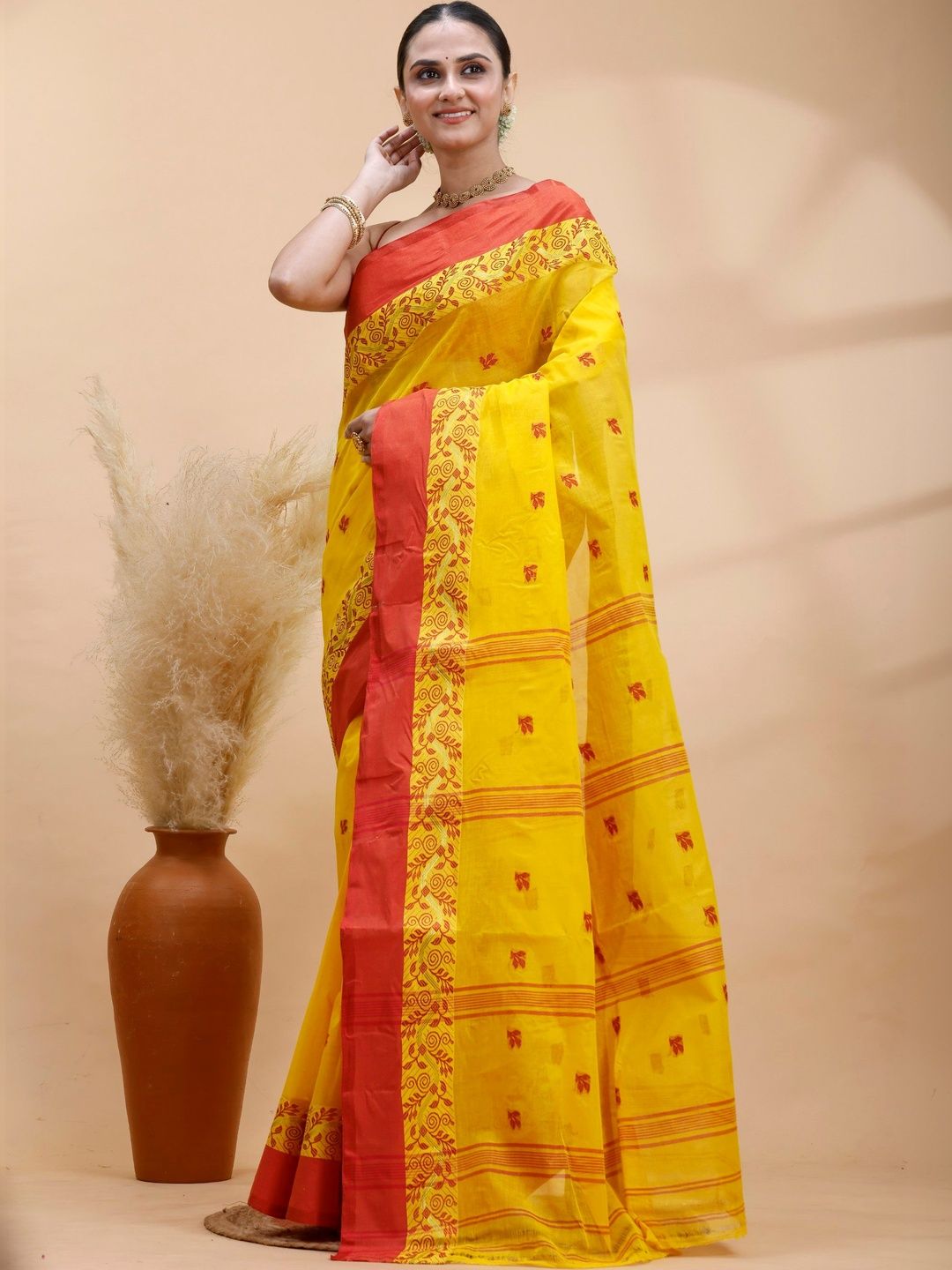
- 🧇The vratti wears a saree — always. The traditional Chhath dress for the vratti is a cotton or silk saree in an auspicious colour. The saree symbolises natural, uncut fabric — as close to the earth’s purity as cloth can be.
- 🌿No synthetic fabrics. The vratti’s saree must be in a natural fibre — cotton or silk. Polyester, chiffon, georgette, and synthetic blends are not appropriate for the vratti at the ghat. Natural fabric has always been the standard for sacred Chhath observance.
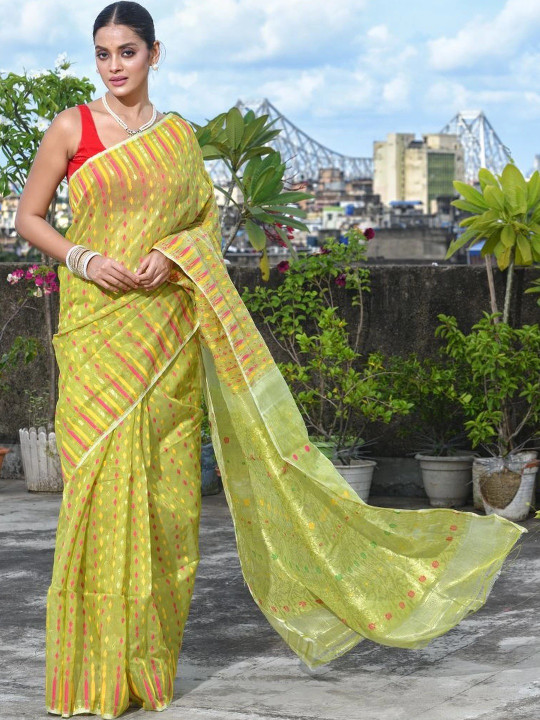
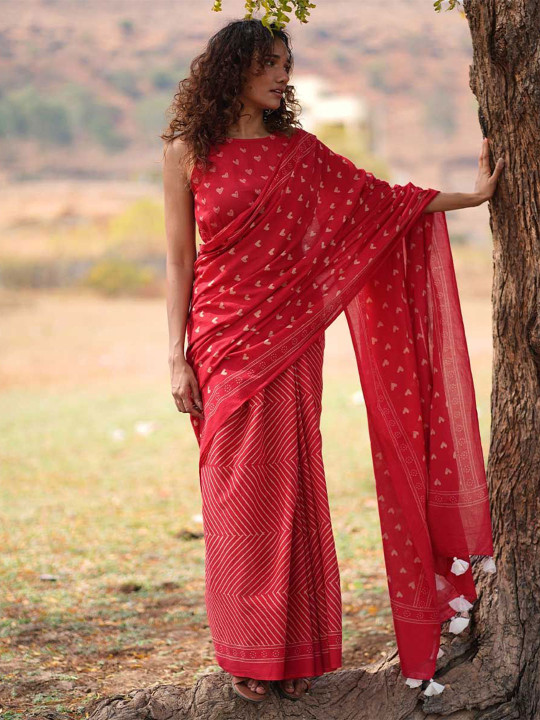
- 🌞Auspicious colours only. Yellow (the most traditional and auspicious Chhath colour, representing the sun), red, and orange are the preferred colours for the vratti’s saree. White and cream are also acceptable in some traditions. Dark colours and black are generally avoided.
- 👞♀️New or freshly washed only. The saree worn to the ghat must either be new (purchased specifically for Chhath) or washed fresh without any fragrance or chemical detergent. Many families buy a new yellow or red cotton saree specifically for the vratti’s ghat saree each year.
- 💍Minimal jewellery, maximum sindoor. The vratti wears sindoor generously as the primary adornment — it is the most important visual marker of the married woman’s vrat. Simple gold jewellery — thin bangles, small earrings, and a mangalsutra — is appropriate. Heavy embellished jewellery is not in keeping with the spirit of the vrat.
Outfit Ideas for Women Accompanying the Vratti 🌸
For women accompanying the vratti to the ghat — daughters, daughters-in-law, sisters, and friends — the traditional rules are respected but observed with somewhat more flexibility. Here are thoughtful outfit ideas for every woman at the Chhath ghat this year.
🧇
Yellow Cotton Saree — The Classic Chhath Choice
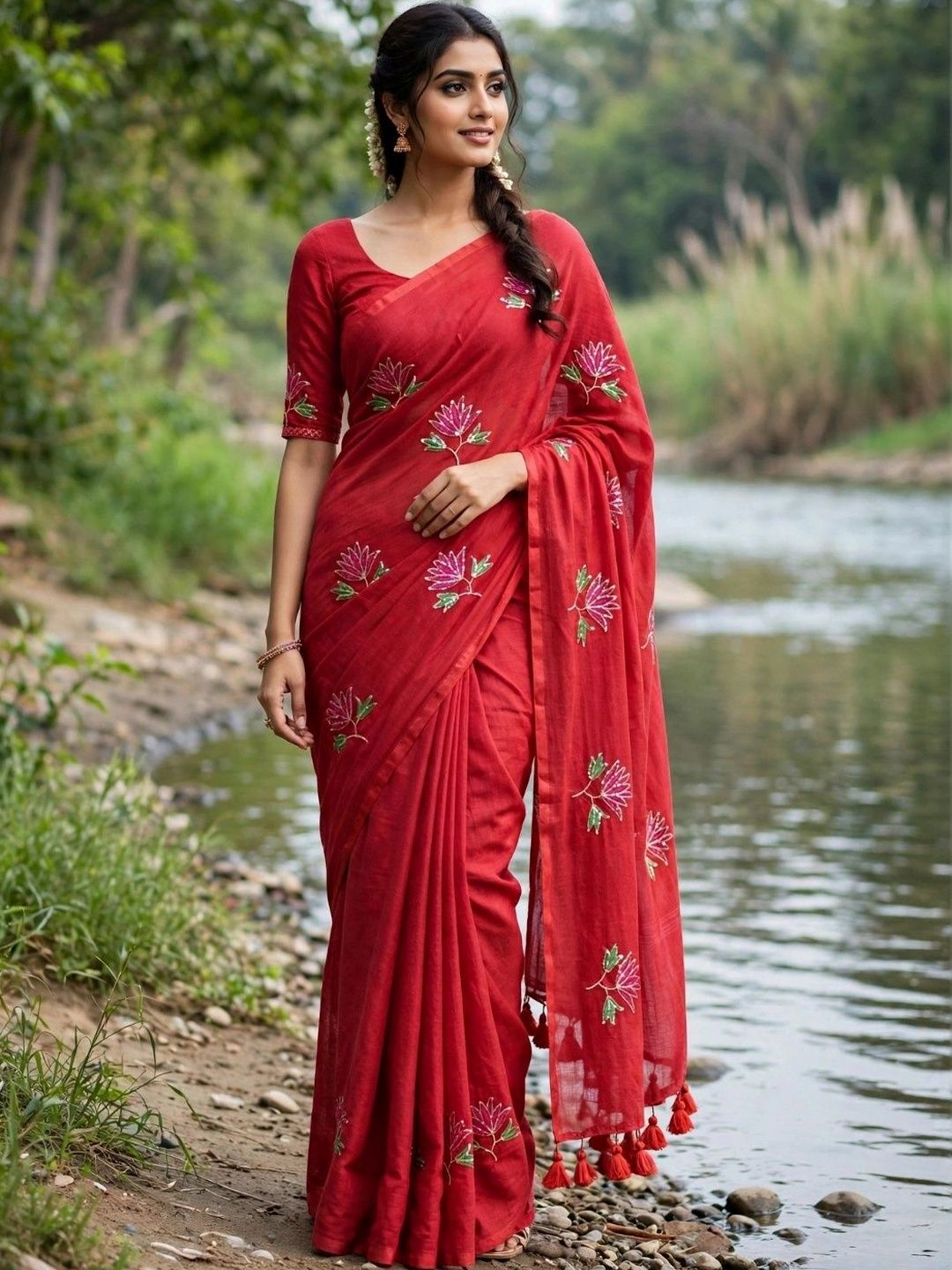
A simple yellow cotton saree is the single most traditional and universally appropriate Chhath Puja outfit. Yellow represents the Sun — the deity being worshipped — and has been the dominant colour of Chhath dressing for as long as the festival has been observed. For the vratti, a plain cotton saree in bright or golden yellow is ideal. For family members accompanying her, a slightly more embellished cotton or cotton-silk saree in the same shade is perfectly appropriate and beautiful.
💊
Red or Orange Silk Saree
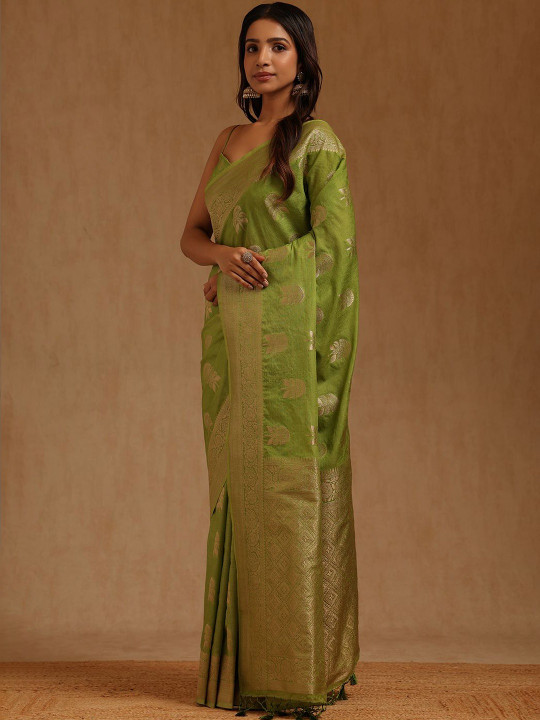
Deep red and orange are the other traditional Chhath colours, particularly popular in Bihar and Jharkhand. For women accompanying the vratti, a red or orange silk saree — Banarasi, Kanjeevaram, or a simple Tussar silk — with a gold border looks deeply festive and culturally appropriate. For the vratti herself, a simpler red cotton saree is more appropriate than a heavily embroidered silk at the ghat, where the emphasis is on austerity rather than adornment.
🌸
White or Cream Cotton Saree
White and cream, while sometimes considered inauspicious in other festival contexts, are perfectly appropriate for Chhath Puja — they represent purity and the clean, sattvic spirit of the vrat. A white cotton saree with a simple gold or yellow border is an elegant and deeply traditional Chhath choice, particularly popular in the more austere tradition of the vrat. When paired with generous sindoor, gold bangles, and a gajra in the hair, a white saree at the ghat has a profound, quiet beauty.
💒
Yellow or Red Salwar Suit for Family Members
For daughters, sisters, and other women accompanying the vratti who are not themselves observing the vrat, a simple cotton salwar suit in yellow, red, or orange is a completely appropriate and respectful Chhath ghat outfit. The key is keeping the colour auspicious, the fabric natural (cotton is ideal), and the overall look modest and appropriate for a place of active worship. Heavily embroidered or embellished outfits are less appropriate at the ghat than at Diwali or other festive occasions.
🎺
The Chhath Ghat Saree: Complete Styling Guide
Whether you are the vratti or accompanying her, here is a complete guide to looking beautiful and appropriate at the Chhath ghat in 2026. First and most importantly: wear clothes you can stand and move in water with ease. The vratti enters the water up to the knee or waist — this means the saree’s drape must be manageable in water. Many experienced vrattis drape the saree slightly shorter than usual (above the ankle) so the hem does not drag in the water, and pin the pallu firmly at the shoulder so both hands remain free for the arghya. Additionally, bare or simple rubber slippers are better than heeled footwear for the ghat — wet steps and riverbanks require stable, flat footwear. Most women carry their decorated footwear for arrival and photographs, and change into simple slippers for the water entry. Finally, remember that the Chhath ghat is an outdoor, waterside setting where the best beauty look is the natural one: generous sindoor, a gajra in the hair, simple gold jewellery, and the warm glow of the setting or rising sun. No makeup is necessary, and heavy festival makeup is generally considered out of keeping with the spirit of the vrat.
🌈 Chhath Ghat Guide: What to Carry and How to Prepare
Going to the Chhath ghat — whether for Sandhya Arghya at sunset or Usha Arghya before dawn — requires practical preparation alongside the spiritual one. Here is a complete guide to making your ghat visit as smooth, meaningful, and beautiful as possible.
The Supa (Bamboo Basket)
A large, flat bamboo supa is the essential Chhath vessel. Fill it with arranged prasad items — Thekua, fruits, sugarcane — and a clay diya. Wrap with a clean yellow cloth.
🍶
Brass or Copper Lota
A brass or copper water vessel (lota) is used to draw water for the arghya. Never use plastic or stainless steel for Chhath puja water offerings — traditional metals are essential.
🌿
Fresh Flowers
Marigold flowers (loose or in garlands) are offered during the arghya. Their deep orange-yellow colour is particularly associated with the Sun and Chhathi Maiya.
🏱
Clay Diyas and Ghee
New clay diyas filled with pure ghee and a cotton wick are lit during the arghya. Carry enough for both evening and morning arghya, plus extra to share with other devotees at the ghat.
📷
Practical Essentials
Waterproof phone pouch, dry towel, change of clothes for the vratti after water entry, a torch for the pre-dawn Usha Arghya visit.
🕐
Arrive Early
For Sandhya Arghya, arrive 90 minutes before sunset. For Usha Arghya, arrive 60 minutes before sunrise. Major ghats fill up very quickly — early arrival ensures a safe and good position.
🍄 Looking for Chhath puja sarees and prasad items?
GlamorEver has curated the best yellow, red, and orange cotton and silk sarees for Chhath 2026 — along with traditional puja items, bamboo supas, and brass lotis — across Amazon India, Flipkart, and verified local sellers. Check our Chhath 2026 Edit for everything you need!
❓ Frequently Asked Questions (FAQs)
Chhath Puja 2026 falls in November, with the four-day festival running from 13 November (Nahay Khay) through 14 November (Usha Arghya). Confirm exact sunrise and sunset timings for your city through Drik Panchang or your local panchangam.
Yellow is the most traditional and auspicious Chhath colour, representing the Sun God worshipped during the festival. Red and orange are also widely worn. White and cream are acceptable in many traditions. Avoid black and very dark colours at the ghat.
Absolutely — Chhath Puja is a universal devotion to the Sun and Chhathi Maiya that is not limited to any regional community. Women from any background can observe the vrat with sincere devotion, following the four-day vidhi with respect for the tradition. The festival has spread across India precisely because of its universal spiritual accessibility.
The nirjala fast begins after the Kharna prasad on Day 2 evening and continues until Usha Arghya on Day 4 morning — approximately 36 hours without food or water. This is the most challenging and spiritually significant aspect of the Chhath vrat. Women with health conditions should consult a doctor and may observe a modified version of the fast.
Properly deep-fried Thekua stays fresh and edible for 7 to 10 days at room temperature, stored in an airtight container. The high ghee content and jaggery are natural preservatives. Many families prepare Thekua 2 to 3 days before arghya to have it ready without last-minute rush.
Traditionally yes — Chhath is a ghat festival, and the arghya is offered while standing in natural water. However, in urban areas and in communities without access to rivers, many families create temporary water tanks or use large containers of clean water for the arghya. The spirit of the offering is what matters, and Chhathi Maiya’s grace is available wherever the vrat is observed with sincerity.
Men observing the vrat traditionally wear a dhoti — unstitched white or yellow cloth, without a shirt — for the arghya. Men accompanying the vratti to the ghat typically wear a white or yellow kurta-dhoti or kurta-pyjama. Simple, clean, and in auspicious colours — the same broad principles apply to men as to women for ghat attire.
🌞 🌈 🌿
Chhath Puja is a festival that asks a great deal from its observers — four days of discipline, a 36-hour nirjala fast, a pre-dawn journey to the water’s edge. And yet, year after year, the vrattis of Bihar and the Purvanchal come back to the ghat with the same devotion, the same folded palms, the same upward gaze toward the sun. Because what Chhath gives back — the sense of direct connection to the source of all life, the community of thousands of lit faces on the riverbank, the indescribable feeling of the sun rising over water after 36 hours of fasting — is simply unlike anything else this country’s festival calendar offers.
Whether you are observing the vrat, accompanying someone who is, or simply wanting to understand this beautiful tradition more deeply — we hope this guide has been useful. May Surya Dev and Chhathi Maiya bless you and your family with health, light, and abundance this Chhath 2026. 🌞
Jai Chhathi Maiya — from all of us at GlamorEver. 🌞🌿🤝

Passionate software developer and entrepreneur dedicated to building innovative digital solutions. As the founder of glamorever.com, I combine technology, creativity, and business strategy to create valuable online experiences and resources for a global audience.